
 Search


Setting mental health goals can be just as important to your overall well-being as getting more sleep or managing your weight. Whether you deal with occasional frustrations or chronic struggles, recurrent stress can impact your appetite, concentration, sleep and energy as well as cause headaches and digestive issues.3
This year, prioritize developing healthy ways to manage stress through exercise, meditation or relaxing with a massage or spa treatments. You could even try a gratitude practice. Free to use and easy to implement, a daily practice of noting things you are grateful for has been found to reduce the risk of heart disease, lessen anxiety and improve sleep quality.4
3. Aim For Holistic Health Over Quick Fixes to Weight
This year, instead of focusing on the number on the scale, opt for a holistic approach when it comes to managing your weight. This outlook can help reframe healthy foods as the fuel your body needs to stay energized, exercise as a way to build strength and endurance and decreasing stress as a key to losing weight. Implementing sustainable healthy lifestyle tips — using portion control and making healthier food choices — might not have dramatic, immediate results, but they will help you develop long-term habits that support sustainable weight management and overall health.5
While tools like weight loss medications, non-invasive fat removal procedures or bariatric surgery may be options you explore in the process, make the ultimate goal a healthier and stronger you.
4. Embrace Sun Safety and Skin Health
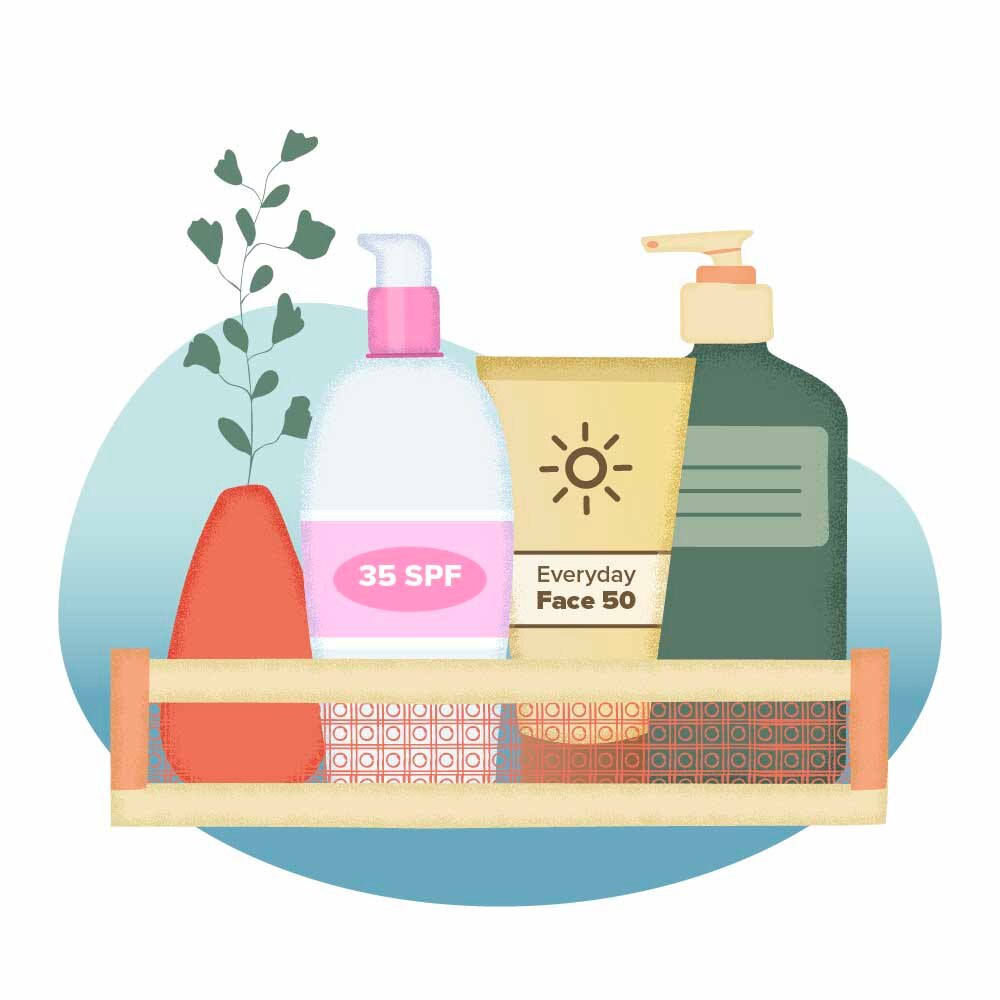
A little sunshine goes a long way. Sun exposure can help boost your mood and help your body naturally produce vitamin D, an essential nutrient that supports calcium absorption for stronger bones and overall wellness. But too much unprotected exposure to the sun’s ultraviolet, or UV, rays can lead to sunburn, premature skin aging and an increased cancer risk.6 According to the American Academy of Dermatology, skin cancer is the most common cancer in the United States, with about 9,500 people diagnosed every day.7
Luckily, you don’t have to miss out on the benefits of the sun to stay safe. By making sun protection part of your everyday practice — like adding sunscreen into your daily skincare routine and keeping hats by the front door — you can enjoy the benefits of vitamin D while keeping your skin healthy for the long term.6
5. Optimize Your Workspace for Body and Mind
Your 9-to-5 doesn’t just impact your finances — it also has a big influence on your physical and mental well-being. Maintaining a clutter-free, ergonomically sound workspace can reduce physical pain like neck, shoulder or back strain, as well as improve your productivity.8
Use a chair that supports your posture and position your screen at eye level or swap in a standing desk to help you vary your position throughout the day.8 Taking short walks during the day or even doing squats every 20 minutes can help improve cognitive function.9 You can also try reminder apps like Stretchly or posture trackers like Upright GO® to nudge you back into good alignment.
6. Move Your Body Each Morning
Make exercise the first thing you cross off on your to-do list each day by prioritizing moving your body in the morning. Whether you opt for a neighborhood walk, a living room yoga session or a full gym workout, morning movement helps boost your energy throughout the day, wake up your metabolism and relieve pain and stiffness.10
Consider starting small with a morning at-home workout like jumping. With or without a jump rope, jumping can help strengthen your muscles and bones, improve your balance, coordination and cardiovascular health — helping you to get a “jump” on your day.11
7. Cultivate Meaningful Connections in Person and Digitally
Developing real connections, both in person and online, can play a key role in maintaining physical and mental health. According to one study, 21% of adults surveyed in the U.S. regularly felt lonely, with most attributing their loneliness to a lack of quality family time and mental health issues."12
Luckily, the solution may be as simple as sending a quick text to grab coffee with a favorite friend or saying yes to an invite from colleagues for post-work tacos. Even though smartphones and busy schedules can make it easier to want to pass on social engagements, try to prioritize connecting with friends or family. If your current social circle isn’t meeting your needs, consider joining an in-person group class or online community that aligns with your interests or a new hobby you’d like to learn.
8. Care for Your Smile, Mindful of Overall Health
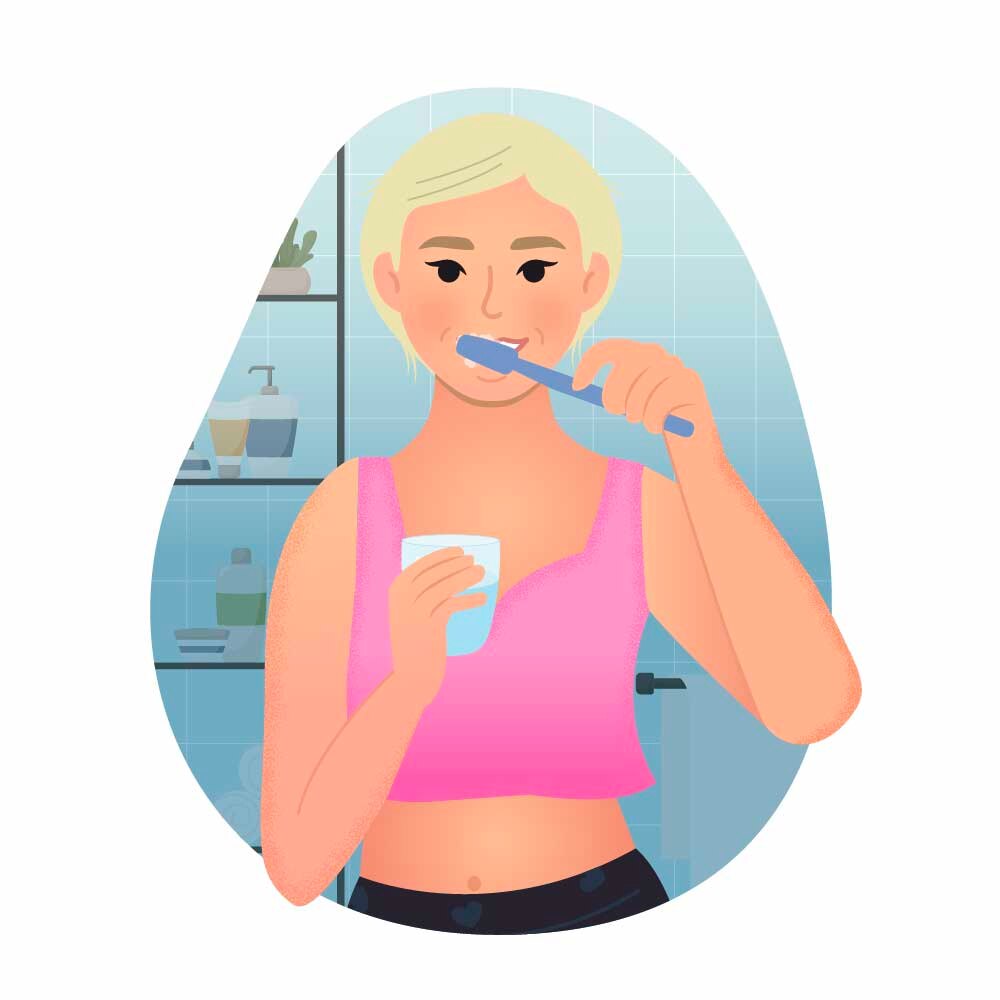
Caring for your smile is about more than just appearance — oral health is closely connected to your overall health. Gum disease is linked to higher markers of inflammation, which may increase the risk for Alzheimer’s disease, rheumatoid arthritis, obesity and diabetes.13
Building simple habits like brushing twice daily, flossing at night and scheduling regular dental appointments can keep your mouth healthy.14 Consider investing in a smart toothbrush that tracks your brushing habits and offers real-time feedback if you are brushing too hard. Want a smile that truly shines? Talk with a dental professional about clear aligners, veneers or teeth whitening to help you create a smile you will really want to share.
9. Prioritize Restorative Sleep
Getting quality sleep is an essential component of meeting many health and wellness goals. Beyond just feeling well rested, prioritizing restorative sleep helps support memory, mood, metabolism and even heart health.15 Simple habits like keeping a consistent sleep schedule, avoiding screens 30 minutes before bed and keeping your room cool can make a big difference.15
If your sleep quality is suffering but you aren’t sure why, tools like the Oura Ring or Apple Watch can help you track your sleep quality and encourage small adjustments that add up to more restorative rest. For more serious sleep disruptions like sleep apnea, a sleep study may be helpful to determine the root cause of your nighttime wakefulness.
10. Stay Proactive With Routine Health Screenings
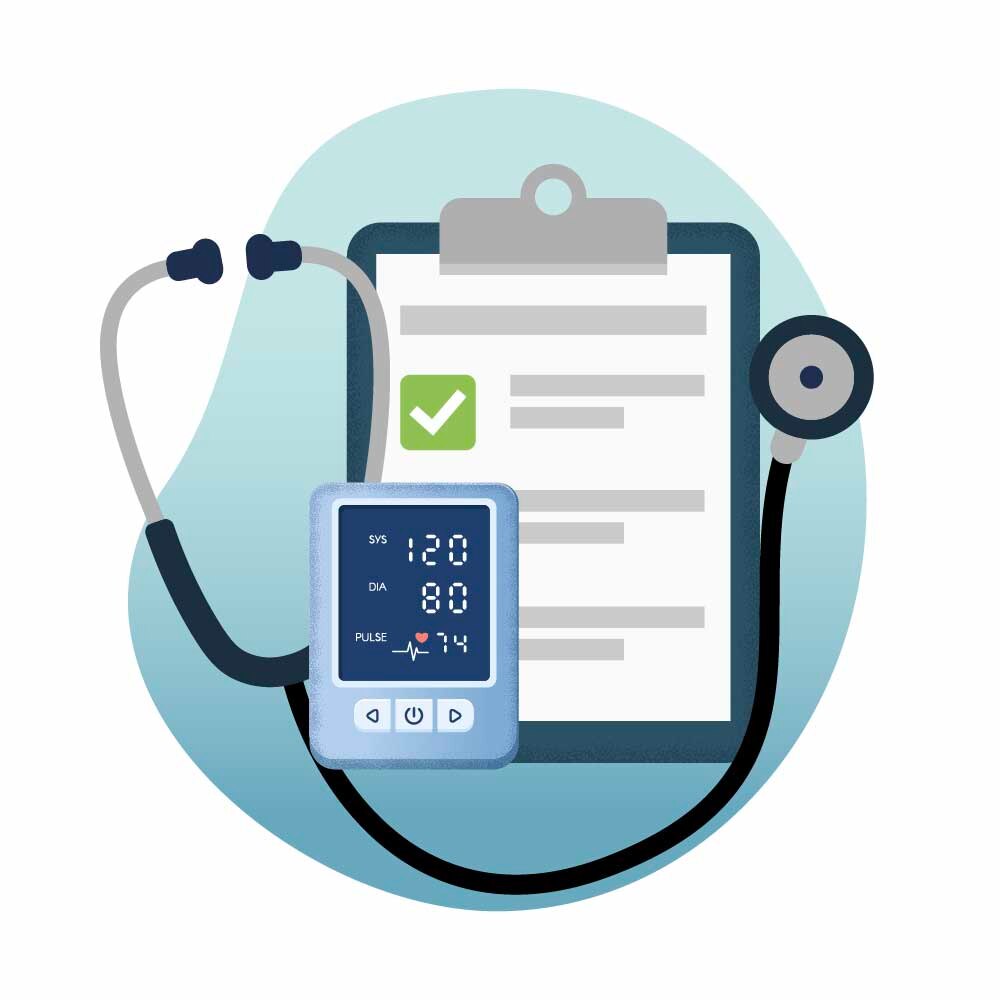
Annual physicals — along with regular assessment of blood pressure and cholesterol — are important maintenance checks for your body. Prioritizing routine health screenings helps to catch possible problems early, when they’re often easier and less stressful to handle. Early detection has been shown to significantly improve outcomes across conditions from diabetes to cancer.16
To start, get familiar with the most common health screenings for men and health screenings for women based on your age group. To make screenings more convenient, try scheduling them on the same day each year and use health apps like MyChart® or KeepTrackMed to track appointments and send reminders, helping you stay consistent without the added mental load.
11. Strengthen Bonds With Your Pets and Nature
Looking for a simple way to support your physical and mental health goals this year? Take your favorite furry friend for regular walks. Spending more time in nature, referred to as “green exercise,” offers benefits for both body and mind.17 More physical activity has health benefits for your pet, too.
Even if you don’t have a pet, simple habits like taking a morning walk, enjoying an afternoon hike or strolling through a park on your way home can help lower your anxiety.17 If you’re looking for inspiration and support, tools like AllTrails® or iNaturalist® can turn a local park stroll into a chance to connect more deeply with your surroundings, while resources like MeetUp® can connect you with others looking to spend more time in nature.
12. Protect and Enhance Your Vision Holistically

Eyestrain and blurred vision don’t just cause headaches and fatigue — they can also chip away at your productivity and overall comfort. This year, care for your eyes in a way that protects both your comfort now and your vision for the long term.18
Although vision naturally declines with age, screen usage can also impact your eyes. An estimated 50% to 66% of screen users experience symptoms of digital eye strain like dry eyes, blurring and delayed refocusing.18 Support your eye health by adopting simple, healthy habits. Try practicing the 20-20-20 rule: Every 20 minutes, look 20 feet away for 20 seconds.18 Or consider adjusting your screen’s brightness or a screen app such as f.lux® to support your eye health while on screens.18 Most importantly, consider scheduling an annual eye exam to ensure you can catch and treat any vision concerns.
13. Regular Dermatologist Visits for Preventive Care and Confidence
Prioritizing regular visits to the dermatologist not only protects your health but can also support your confidence. Routine dermatologist visits can help catch problems early on, from subtle sun spots to more serious skin cancers. Just as important, dermatologists can partner with you to care for your skin’s appearance and overall health, offering options that range from non-invasive treatments to surgical solutions when needed.19
Simple healthy skin habits like checking your skin for new or changing spots, booking regular professional exams and making daily sunscreen a non-negotiable can help protect both your overall health and your appearance.20 Plus, with the growing trend of teledermatology, it’s easier than ever to connect with a skin expert for quick check-ins whenever you need, making prevention and peace of mind even more accessible.
14. Manage Finances to Help Reduce Stress
There are a lot of stressors in life that you can’t control, but getting your finances in order is one you may be able to manage. People with financial strain often also experience mental health problems.21
Take steps to prioritize your financial health by exploring ways to better manage your finances, such as setting up a simple budget or automating savings, to help you reduce stress and feel more in control. Or, try a budgeting app like YNAB® (You Need A Budget@) that uses automation and reminders to help you stay on track.
15. Schedule Comprehensive Blood Work and Wellness Tests
Knowledge is power, so keep yourself informed and proactive by scheduling your routine blood work now. Think of yearly labs as an internal check-engine light that can help flag when something needs attention. Lab tests and blood work can reveal hidden issues like nutrient deficiencies, diabetes, anemia or cholesterol issues.22
If you don’t have easy access to annual lab work or your health insurance won’t cover certain tests, consider using a health and wellness credit card, which will allow you to manage payments over time. You can also consider direct-to-consumer lab services, which let you order standardized panels and view results online.
Setting Your Health and Wellness Goals for 2026
So, what feels meaningful for you this year? Maybe it’s building strength, finding healthier ways to manage stress or simply feeling more confident in your own skin. Your health and wellness goals don’t have to look like anyone else’s — they can reflect where you are now and where you’d like to grow. No matter how big or small, every choice you make toward improving your physical and mental well-being is a win and a move closer to a healthier, happier you.
Managing Health and Wellness Costs With the CareCredit Credit Card
If you are looking for an option to help manage your health and wellness costs, consider financing with the CareCredit credit card. The CareCredit credit card can help you pay for the care you want and need and make payments easy to manage.* Use our Acceptance Locator to find a provider near you that accepts CareCredit. Continue your wellness journey by downloading the CareCredit Mobile App to manage your account, find a provider on the go and easily access the Well U blog for more great articles, podcasts and videos.
Your CareCredit credit card can be used in so many ways within the CareCredit network including vision, dentistry, cosmetic, pet care, hearing, health systems, dermatology, pharmacy purchases and spa treatments. How will you invest in your health and wellness next?
Author Bio
Kate Bayless is a health and wellness freelance writer with 20 years of experience. Her work has appeared in Parents, Women’s Health, Beachbody and OpenFit.

Related Tags
Want to share this on social media?






 ARTICLE