 Search

Getting a dog could be one of the best decisions you’ll ever make. All dogs are wonderful in their ways, but not all dogs are the same. Taking on a breed that’s not a good fit can be a recipe for frustration and heartbreak. Unfortunately, about 2.9 million dogs in the United States are surrendered to animal shelters each year. 1
To help ensure your new pooch doesn’t end up as a statistic, it's important to choose a dog breed that’s a good match for your energy, lifestyle, family and budget. Here are some things you should consider before getting a dog, as well as which dog breeds might be your best match.
1. Evaluate Your Current Living Situation
As you research different dog breeds, consider whether you can provide them with a home that fits their need for space, exercise and security. Here are some questions to consider:
How much space do you have?
You, your family and your dog all need to fit comfortably into your home. That doesn’t necessarily mean you need a small dog if you live in a small space or have a large family. Some large breeds, like German shepherd dogs, can adapt well to tight indoor spaces as long as they get plenty of walks and outdoor activity.2 Research the breeds you’re considering to make sure they have a temperament that can adapt well to both your living space and your ability to exercise them.
Do you live in a city or in the country?
Many dogs do equally well in the city, the country or the suburbs. But some breeds were made to thrive in rural settings, while others, like the French bulldog, were bred primarily to be city dogs.3 Make sure the breed you choose will fit in well with your surroundings.
Do you live in an apartment?
There’s a lot more to consider in choosing an apartment dog than just your amount of space. Besides the fact that you’ll need to get out and walk them several times a day — either that, or hire a dog walker — you should also think about your neighbors and how much noise your dog is likely to make. A small dog might seem to make the most sense for an apartment, but if it’s a yappy breed, your neighbors might beg to differ.4
Do you have a fenced yard?
For some dog breeds, a fenced yard is a must. Without a fence, it may not be safe for your dog to run and play off leash. And breeds that are prone to digging or who have a tendency to wander need a secure fence to keep them from running away.5 Without a fenced yard, you may want to consider keeping your dog on a leash for their own safety whenever you go outside.
2. Assess Your Financial Commitment
When getting a dog, it's essential to look beyond the initial purchase price or adoption fee and consider the daily, monthly and annual expenses. By keeping the following in mind, you can choose a dog breed that fits your overall budget.
Feeding your dog
Dogs thrive on good, quality dog food tailored to their life stage, meeting the nutritional standards set by the Association of American Feed Control Officials©.6 Premium dog food can be costly, particularly for large breeds that can power through a large bag of food in a short amount of time. In addition to their meals, your furry friend will also need treats — for training and simply because they love them. Researching the healthiest options for your budget can help you determine the size and type of dog you can afford to feed comfortably.
Dog supplies
Gone are the days when a dog needed only food and a warm place to sleep. Today’s pups come with a list of essentials: food and water bowls; beds and blankets; a collar, leash and harness; a dog crate and plenty of toys — all just the basics! As with food, the size of the dog can factor into the price of some supplies, with larger products generally tending to cost more. Additionally, some dog breeds are notorious for wearing out or chewing up their belongings faster than others, adding to the overall expense.7
Veterinary costs
Vet bills can be one of the highest financial costs of dog ownership. Regardless of their life stage, your dog will need at least an annual wellness checkup, along with vaccinations, parasite prevention and regular dental checkups and cleanings. Diagnosing and treating illnesses and injuries can be quite expensive, especially for breeds prone to frequent health issues. Certain breeds are more prone to developmental or age-related orthopedic issues — such as hip dysplasia or arthritis —that can require ongoing pain management and in some cases, even surgery. Regular veterinary checkups help catch these conditions early, which can reduce discomfort and help prevent more costly treatments later on. 8
Pet insurance can help offset the costs of vet bills, but you’ll need to budget for the premiums and deductibles. Regardless of whether you opt for insurance, it's important to research the health tendencies of any breeds you’re considering and make sure you can afford to provide them with the necessary health and wellness care.
Grooming costs
While not all dogs require extensive grooming, they all need a certain amount of bathing and brushing, as well as nail trimming and teeth cleaning. When considering a breed, you should take into account their grooming needs and decide whether you’ll groom them yourself or take them to a professional dog groomer. Even if you choose DIY dog grooming, don't forget to budget for the necessary supplies.9
3. Consider Your Lifestyle
You’re likely looking for a dog that will fit into your current lifestyle, rather than adjusting your lifestyle to fit your dog. Various lifestyle factors can help guide you in selecting the dog breeds that might be the best match.
Activity level
While an active breed can inspire a healthier lifestyle, it’s generally best to choose a dog with an energy level that matches your own. If you enjoy an active lifestyle or have the time and energy to devote to training and exercising your dog, a high-drive breed or athletic dog that makes a good running companion could be a good fit. On the other hand, if your lifestyle is more relaxed, a laid-back dog that thrives with minimal exercise might be a better match. 2
Work life
Many dog breeds not only require plenty of exercise and engagement throughout the day, but they also have high companionship needs. These dogs may develop separation anxiety if left alone for extended periods of time.10 If you work long hours outside the home and there’s no one else to stay home with your dog, you should choose a breed that can comfortably handle being alone for long stretches. Either that, or consider getting a second pooch to provide companionship for your dog.
Travel
Do you travel a lot? If so, you should consider whether you want a dog who can travel well with you, or one you can provide accommodations for while you’re away. Deciding whether to hire a pet sitter, board your dog at a kennel or have friends or family help out depends on your budget and circumstances. If you’re looking for a travel buddy, it’s important to consider what type of travel you prefer. Should you get a dog that does well with air travel, or is a road trip buddy more your speed? Do you need a breed that will be welcome at pet-friendly hotels, or one that you can take camping?2
Time and energy
Some breeds need a lot of socialization, training and mental stimulation daily. Others may need to be frequently bathed, brushed or groomed. You should consider how much time and energy you have to give to your new dog consistently and look for one whose training, exercise and grooming needs align with what you can realistically provide.4
4. What Is Your Family Dynamic?
Most dogs can form tight bonds with one favorite person and if you're single, you have only your own preferences to consider. But if you live with a partner or a family, they need to factor into your decision. Here are some things to think about if you’re looking for a family dog.
Kids
Not all dog breeds are well-suited for families with children. If you have kids, it’s important to choose a dog that will be gentle with them.11 Consider the ages of your children as well — some dogs may thrive with older kids but need close supervision around small children. It's not always for the reasons you may think. While large dogs can potentially harm small children just by playing too roughly, tiny breeds like Chihuahuas are actually in danger of injury from small, eager hands and often instinctively dislike little kids. It’s best to seek out a breed of dog that will love all of your children and bring happiness to your household.
Other pets
If you already have a dog or cat, you should consider how well they’ll tolerate or get along with a new dog, as well as researching dog breeds that do well with other pets. You'll also need to decide whether a puppy or an older dog is a good fit for your family. If you already have a senior pet, for example, an exuberant puppy might overwhelm them, so a dog who’s already past the puppy stage might be a better match and more likely to be welcomed.12
Allergies
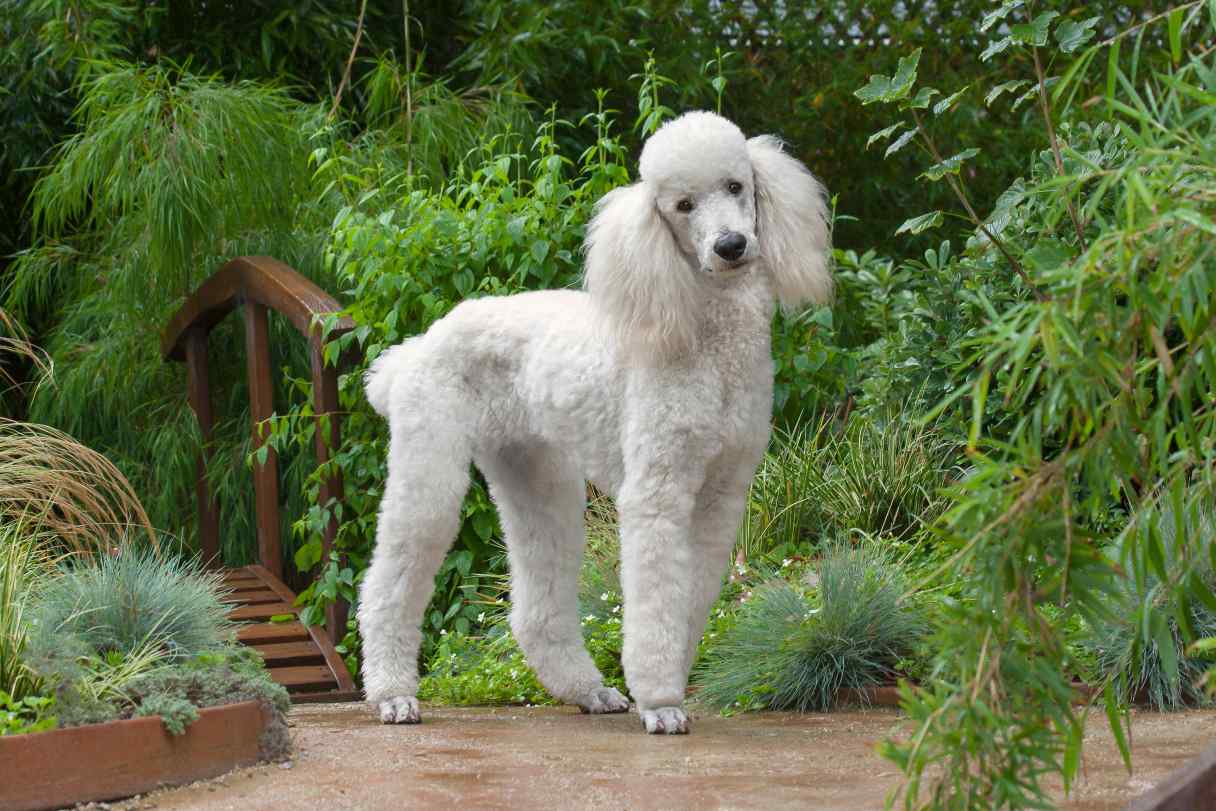
If a child or family member is allergic to dogs, it doesn’t necessarily mean that dogs are off-limits. Depending on the severity of their allergies, you may be able to find an allergy-friendly breed that won’t trigger severe reactions. While there’s no such thing as an entirely hypoallergenic dog, hairless breeds and low-shedding dogs like poodles are often more manageable for those with allergies.13
5. Consider the Dog’s Intelligence
While dogs, like people, have different expressions of intelligence, generally, dog breeds that are deemed the smartest are those that are able to instinctively understand certain tasks, quickly learn verbal cues and solve problems.14 At first glance, those may seem like desirable traits. But it’s important to note that smart dogs have pros as well as cons and understanding both sides of the equation can help you decide if one of those breeds is a good match.
Benefits of smart dog breeds
Smart dogs learn quickly and are easy to train. They understand both verbal and non-verbal cues and tend to be easy to house train, as well as to teach obedience and good manners. They also make excellent service dogs and tend to thrive when given responsibilities that match their abilities.15
Intelligent dog breeds are also skilled problem solvers that enjoy working out puzzles and figuring out complex tasks. This makes them adaptable and able to perform well in a variety of different roles.15
Another advantage of smart dogs is that they tend to be observant and able to read the room. These observational skills may make them more sensitive to their owners' moods and emotions, which can strengthen the dog-parent bond and also make them excellent at tasks such as guarding and alerting, herding, search and rescue, drug and bomb detection and medical alerting.15
Drawbacks of smart dogs
The advantages that intelligent dogs bring to the table may also have a flip side. Many smart dog breeds can be highly driven and have boundless energy that can be hard to keep up with. They also tend to get bored easily. If you own a smart dog breed, chances are you’ll need to invest a lot of time and energy daily to ensure your pup gets plenty of exercise and mental stimulation to help prevent behavioral issues.15
Smart pups can also be willful and independent and they’ll take advantage of an owner who isn’t able to provide strong leadership. They can also exhibit attention-seeking behaviors, especially when bored. This can include excessive barking and whining, as well as destructive chewing. While it’s sweet how smart dogs tend to love being with their people, this also makes them prone to separation anxiety.15
10 smartest dog breeds
Renowned dog researcher Stanley Coren, author of "The Intelligence of Dogs: Canine Consciousness and Capabilities," is a top expert in dog intelligence, which he defines as a combination of instinctive understanding, the ability to learn quickly and problem-solving skills.
Based on Coren’s criteria, these are the top ten smartest dog breeds:14
- Border collie. These hard-working dogs are excellent problem solvers with top-notch memories.15
- Poodle. In any size, poodles are fast learners who are eager to please their people.15
- German shepherd dog. These are highly intelligent and fearless dogs who excel at a wide range of tasks.15
- Golden retriever. Sweet and lovable dogs who are great at obedience, goldens are the gold standard of family dogs.
- Doberman pinscher. Smart and alert, the dobie’s natural suspicion of strangers makes them excellent protection dogs.
- Shetland sheepdog. These miniature lassies are sharp herders and are as affectionate as they are smart.
- Labrador retriever. Friendly to a fault, this breed is enthusiastic about fun.
- Papillon. Lots of smarts in a tiny package, papillons are great at agility sports.
- Rottweiler. They may look like dumb brutes, but a thoughtful sensitivity belies the rottie’s rough exterior.
- Australian cattle dog. Also known as heelers, these are highly driven herding dogs that thrive on challenging work.
What Dog Breed May Be Best for You?
One helpful way to find the best dog breed for you is to take a dog breed selector quiz like the one offered by the American Kennel Club.16 Some dog breeds have a reputation for being a good fit for certain circumstances or tasks. Here’s a compilation of popular dog breeds for various life situations to help narrow down your search.
| Best for | Recommended breeds |
|---|---|
| Allergy sufferers | Households with dog allergies should look for dogs with a coat that doesn’t shed much, if at all. Smart and friendly American hairless terriers fit the bill, having no hair to shed, while still abounding in cuteness.13 |
| Apartment living | French bulldogs are specifically bred for city and apartment living. They’re sweet, intelligent and don’t need a lot of exercise. Best of all, they don’t bark much, which is sure to please your neighbors.3 |
| Being left alone | Basset hounds tend to be laid-back, low-energy dogs who love their people but really don’t mind a bit of solitude that allows them to snooze without interruption.17 |
| Kids and families | Golden retrievers are one of the most popular family dogs in the U.S. They get along great with children and love being part of a human pack and going on adventures. For a more laid-back family vibe, bulldogs are loyal, eager to please and adore children.18 |
| Low maintenance | Cavalier King Charles spaniels are small, sweet and affectionate dogs who are easy-going and don't need a lot of training or exercise. They won't eat you out of house and home and they only need occasional brushing and bathing to keep their coats in good condition.19 |
| Outdoorsy adventures | Labrador retrievers are athletic dogs that love the great outdoors, especially if there’s water involved. Friendly to a fault, they enjoy following their humans wherever they may go.20 |
| Protection and guarding | Rottweilers are fiercely loyal guardians of home and family. With proper socialization and training, they’re not aggressive. But their size and bark will definitely make potential intruders or attackers think twice.5 |
| Running or jogging buddy | Weimaraners are an athletic breed with a lot of energy and stamina that make them just right for someone seeking a buddy to accompany them on long-distance runs.21 |
| Travel companions | Chihuahuas can fit just about anywhere, which makes them easy to travel with. They’ll be content to curl up and sleep in a carrier on a plane or in your lap on long car rides and they'll be ready for fun and adventure once you arrive at your destination.22 |
Choosing the Best Dog Breed for a Lifetime of Happiness
Finding a dog that matches your home and lifestyle can improve your experience as an owner while giving your dog the best chance to thrive. With thoughtful research into both your needs and theirs, you can build a lasting bond and ensure a happy life together.
CareCredit Credit Card Financing for Dogs
Taking good care of your pet's well-being from nose to tail is essential. Make sure to stay up to date on their regular checkups at the vet to help keep your pet happy and healthy for a lifetime of love. You can use your CareCredit credit card for pet care throughout the year for routine veterinary services as well as emergencies and surgeries.* Use our Acceptance Locator to find a veterinarian near you that accepts CareCredit.
CareCredit is there for you and your pet every step of the way; continue your wellness journey by downloading the CareCredit Mobile App to manage your account, find a provider on the go and easily access the Well U blog for more great articles, podcasts and videos.
In addition to pet care, you can also use your CareCredit credit card for dentistry, cosmetic, vision, hearing, health systems, dermatology, pharmacy purchases, spa treatments and so much more within the CareCredit network. How will you invest in your health and wellness next?
Author Bio
Jean Marie Bauhaus is a freelance writer and novelist who has been writing pet content since 2013. Her work has appeared on Forbes.com, Hill's Pet, Chewy, AKC.org and more.

Related Tags
Want to share this on social media?






 ARTICLE