 Search

How prepared are you to provide for your cat over their lifetime? According to the Synchrony 2025 Pet Lifetime of Care Study, only 66% of cat parents surveyed said they were financially prepared for their cats. Of those surveyed:1
- 53% faced expenses that caused financial concern
- More than 10% had to seek financial assistance for cat care
- 26% worry about future unexpected expenses
Whether they were prepared or not, 72% of cat parents faced unexpected expenses of $250 or more, which caused them stress.1
The study identified seven major areas of cat-related expenses that caused cat parents the most concern. Each of those areas is explored in-depth below, along with tips to help you manage costs and be more financially prepared for both the expected and unexpected costs of keeping a cat.
1. Veterinary Bills
On average, cat parents surveyed spend between $1,873 and $3,006 per year on their pets. That adds up to $20,073 to $47,106 over a cat’s lifetime. While that includes other expenses like food and daily care, veterinary care makes up a portion of those annual costs.1
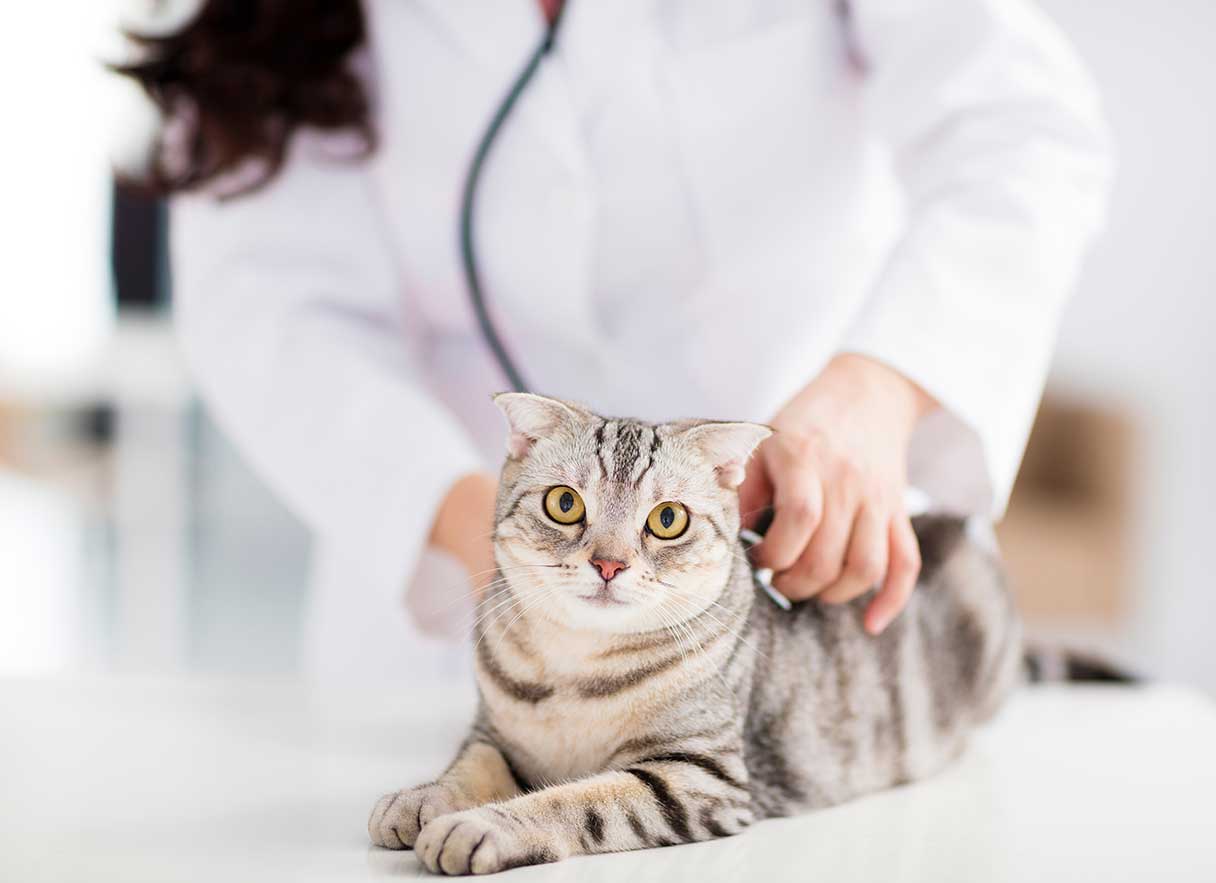
Cats need routine health checks on a schedule that’s appropriate to their life stage, just as much as dogs do. An annual checkup may include the following wellness essentials:2
- A physical examination
- Blood tests and health screenings
- Dental checkup and cleaning
- Flea, tick and heartworm prevention
- Vaccinations
Routine vet bills are a regular expense that cat parents should consider factoring into their overall pet care budget. While it might be tempting to skip vet visits when your cat appears healthy and money may be a concern, studies show that the average cat lifespan in the United States has increased from 12.3 years in 2010 to 14.2 years in 2023, attributed in part to advances in routine wellness care.3
Another important thing to keep in mind is that routine spending on your cat’s healthcare may actually save you money over the course of their lifespan by helping to prevent potentially costly illnesses from developing later in life — and catching them early when they do.
2. Surgery Costs
In addition to routine health maintenance, cats may need surgery at some point in their lifetime. At a minimum, they may need to be spayed or neutered and may end up needing dental surgery. Your kitty may also need surgery to treat an injury such as a broken bone or a torn ligament.
In the U.S., the average cost* for tibial plateau leveling osteotomy (TPLO) to repair a cranial cruciate ligament (CCL) in cats ranges from $2,734 to $6,282.4 Facing such a costly and unplanned surgery can come as quite a shock, even to a cat parent who is financially prepared for pet emergencies. For many pet parents, those costs may be prohibitive.
Pet insurance, by comparison, is a relatively inexpensive and predictable monthly or annual expense that may cover your cat’s surgery in such an emergency. Setting aside a dedicated savings account for pet health emergencies can also help cushion the financial blow of unexpected vet bills, allowing you to focus on what’s best for your kitty.
Calculate the costs of an ER exam for cats near you*
3. Emergency Care
While routine veterinary care can mitigate many feline health issues, emergencies may still arise. Sudden illness, poisoning or blockages in the urinary or intestinal tracts are just a few examples of health emergencies that could necessitate a trip to an emergency vet.
Emergencies that happen outside of regular veterinary clinic hours may require a trip to an animal emergency room if your vet doesn’t handle emergencies after hours. In either case, emergency vet visits may be expensive due to the urgency of care, special diagnostic equipment and tests that may be called for, as well as after-hours fees.
In the U.S., the average cost* of an emergency room visit for a cat ranges from $113 to $260.4 Diagnostics and life-saving treatments could increase the cost drastically. If you have pet insurance, however, the cost of an animal emergency room visit may be covered.5
But being prepared for an emergency isn’t just a matter of being financially ready. It’s important to find out the location and contact info for any emergency vets or pet clinics in your area that operate 24/7.
4. Ongoing Medical Costs
Being ready for acute illnesses and injuries is one thing, but cats may also be susceptible to long-term and chronic conditions, especially as they age. Health conditions that could require ongoing medications and treatments include the following:6
- Cancer
- Diabetes
- Heart disease
- Hyperthyroidism
- Kidney disease
Some chronic conditions may be hereditary.7 Others may be a result of your cat’s lifestyle — obesity and poor diet, for example, can contribute to diabetes.6 Keeping your cat at a healthy weight may help reduce the likelihood of developing these illnesses, but they can still happen.
Treating and managing an ongoing condition can cause a strain both emotionally and financially. Depending on the condition, monthly expenses like medication and prescription cat food may be costly. For example, here’s what you might expect to spend to manage care for a cat with diabetes:4
- Blood glucose monitoring. This measures sugar levels in the blood to guide insulin dosing and dietary changes. The average cost* ranges from $27 to $62 per month.
- Injectable insulin. Daily injections to stabilize blood sugar have an average cost* ranging from $37 to $86 per month.
- Testing strips. These are used with glucose meters for daily monitoring and have an average cost* range of $23 to $52 per month.
- Urinalysis. Regular urinalysis is recommended for diabetes management and has an average cost* ranging from $43 to $98.
Pet insurance may help with some or all costs of treating a long-term condition. If not, you may want to consider planning ahead for potential ongoing illness as your cat ages and setting aside a portion of your savings to help cover the costs. It may be necessary to reconfigure your budget to make room for added medical expenses.8
But it’s also important to communicate honestly with your vet about what you’re able to afford, and to see them as part of your team. Your vet may be able to steer you toward cost-effective measures, provide you with samples when possible and can also go over possible financing options to help you pay for your pet’s care. Prescription savings programs might also help reduce the out-of-pocket costs of medications.
5. Grooming Expenses
One advantage of cats is that they’re self-grooming. But sometimes they need more than they can do themselves. Long-haired cats typically need regular brushing and occasional trimming to control mats and reduce hairballs, and elderly cats may have difficulty keeping themselves clean.9
Besides coat maintenance, nail trimming may be needed to help prevent scratches to people, furniture and other pets. And regular teeth cleaning may help prevent dental diseases, along with dental bills down the line.
While regular brushing can be done at home, some cat parents opt to leave bathing, fur trimming, nail trimming and teeth cleaning to the pros. Monthly salon visits may be an expense you need to plan for, typically costing up to $50 per month.10 But you can save money by doing these things yourself at home. Besides time and patience, here are some grooming supplies you may want to consider investing in:
- Cat brush
- Cat toothbrush and pet-safe toothpaste
- Nail clippers
- Pet wipes or cat-safe shampoo and conditioner
- Scissors or pet trimmers
It’s a good idea to start grooming your cat when they’re a kitten. It’s important to introduce grooming slowly, remaining calm and soothing while building positive associations each step of the way with treats and praise.11
6. Food Costs
Survey respondents cited food as one of the top expenses involved with owning a cat, and a source of stress for cat parents.1 Monthly cat food costs vary widely depending on the type of food you buy. Wet food tends to be pricier than dry cat food, and premium cat food brands might feel cost-prohibitive for some cat households. And if your cat is placed on dietary restrictions or a special diet for a health condition, those special foods may be costly.
Generally, you want to feed your cat the best quality food you can afford that is appropriate to their life stage. Commercially prepared cat food is formulated to provide the necessary nutrition to cats according to their life stage. Look for wet and dry foods that have meat for protein — cats are natural carnivores, after all — and some fat for energy.12
Cat food costs also vary according to where you shop, so you may save money by shopping around, taking advantage of sales, using coupons or buying in bulk. If you buy cat food online, you may also be able to save money by signing up for subscription programs or auto-ship discounts.
7. Training and Enrichment Expenses
Cats may not generally need as much training as dogs, but they still should be taught to live in harmony with their humans and other pets. Providing mental and physical stimulation — from scratching posts to laser toys — may keep them from getting bored or stressed and can help promote a healthy lifestyle.13
As far as exercise and enrichment are concerned, cats can be easily entertained. Examples of low-cost cat toys can include toys made from household items like cotton balls, paper sacks, delivery boxes and hair bands. Simply setting any of these items near your kitty may help keep both of you entertained for at least a few minutes. If you’re feeling ambitious, you might find tutorials online for teaching your kitty some tricks. And for busy cat parents, a search for “cat TV” on YouTube might help provide hours of visual stimulation for your cat.
Tips to Budget for Your Cat’s Lifetime Expenses
The more prepared you are to meet your kitty’s needs, the more prepared you may be if an unexpected expense crops up. Here are some tips to help you prepare for both expected and unexpected costs that may arise over your kitty’s lifetime.
Build a pet emergency fund
Setting aside a designated amount of money each month in a savings account dedicated to your cat can help you pay for costs. It may also help ensure you can pay for costs of cat care if you yourself experience a long-term illness, injury or loss of income. Setting up an automatic transfer each month of even a small amount from your checking to a pet savings account will help create a safety cushion that can help give you peace of mind.14
Consider pet insurance or wellness plans
Accident and injury pet coverage can reimburse you for a wide range of unexpected health crises, and an additional health and wellness plan can cover routine health checkups and preventive care for cats. Pet insurance plans often exclude some conditions, so it’s important to research and shop around for the right coverage for you and your kitty.14
Some vets also offer their own subscription wellness packages that cover wellness checks, urgent care and emergency exams as needed for a monthly fee.15 Check with vet clinics in your area to see if they have a subscription plan that might be a good fit.
Include both routine and semi-regular pet expenses in your budget
Include a category for pet care in your monthly budget so you won’t be taken by surprise. Track what you spend on your cat over a month and include that amount in your budget. It’s also a good idea to add up the costs of semi-regular expenses — such as an annual vet visit, vaccine boosters, dental cleanings or flea and tick medications — and divide the total by 12, setting aside that amount each month to cover those expenses.
Keep up with preventive healthcare
Spending now on routine vet checks and preventive care may help prevent those unexpected vet bills from arising later in your kitty’s life. Staying up to date on vaccinations, dental care, parasite prevention and health screenings can help prevent illnesses and help detect other issues early enough to make a difference for both your kitty’s life expectancy and your costs of care.14
Planning for Peace of Mind
As rewarding as it is, keeping a cat comes at a substantial financial cost over time.1 Planning ahead and taking steps now to prepare for these seven areas of cat care expenses may help ensure your kitty always gets the care they need. Including care for your cat in your budgetary planning may help reduce financial stress and help you enjoy the precious amount of time you get to spend with your furry friend.
CareCredit Credit Card Financing for Cats
The CareCredit credit card is an easy way to pay for your cat’s annual checkups, food and products at veterinary practices in the CareCredit network.** Use our Acceptance Locator to find a veterinarian near you that accepts CareCredit to help keep your pet healthy and happy for a lifetime of love. CareCredit is there for you and your pet every step of the way; continue your wellness journey by downloading the CareCredit Mobile App to manage your account, find a provider on the go and easily access the Well U blog for more great articles, podcasts and videos.
In addition to pet care, you can also use your CareCredit credit card for dentistry, cosmetic, vision, hearing, health systems, dermatology, pharmacy purchases, spa treatments and so much more within the CareCredit network. How will you invest in your health and wellness next?
Author Bio
Jean Marie Bauhaus is a freelance writer and novelist who has been writing pet content since 2013. Her work has appeared on Forbes.com, Hill’s Pet, Chewy, AKC.org and more.

Related Tags
Want to share this on social media?






 ARTICLE