
 Search

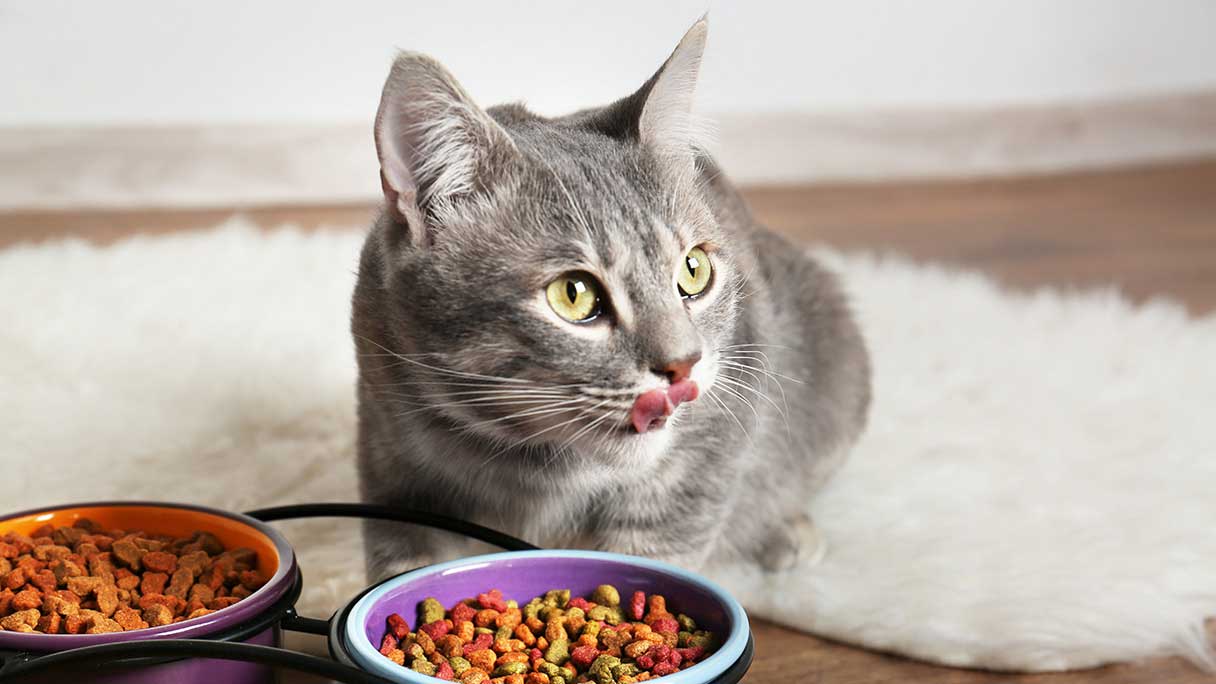
Have you ever stood in the cat food aisle at the pet store and felt utterly overwhelmed trying to choose between wet cat food and dry? A recent survey found that 80% of cat parents said they feed their pets a diet of commercial foods — dry, wet or combination — which aligns with current veterinary advice.1 However, veterinary recommendations and feeding trends constantly evolve, so it’s essential to check in with your vet anytime you want to switch your cat’s food.
The food and formula you choose can have an enormous influence on your cat’s health, weight and overall well-being. Understanding the differences in cat food types can help you wade through the options and make a confident decision for your feline friend.
Cat Nutrition Basics
Cats are obligate carnivores, meaning they require a diet that includes animal-based proteins. Meat contains essential amino acids, the building blocks for proteins that cats need to carry out bodily functions and can’t produce on their own. Unlike dogs or people, who can thrive on a carefully crafted vegetarian diet, cats deprived of meat will quickly develop deficiencies, and can suffer heart, eye or other serious health problems.
Cat food vs. dog food
Cat foods are higher in fat and protein than dog foods and contain precise combinations of vitamins and minerals to support feline-specific health requirements. Food manufacturers vary these nutrients depending on life stage needs and label the food as meeting or exceeding federal nutrition guidelines. For optimal health, cats should eat a diet designed for their species, age and lifestyle.
The role of moisture in cat food
Domestic cats have a lower thirst drive than many other animals. Instead, they’re used to getting moisture from their food and can become chronically dehydrated if they do not drink enough. Pet owners can encourage cats to drink more by providing multiple, clean water stations throughout the home, trying an indoor drinking fountain specifically designed for cats, adding water to dry food or feeding a food with a high moisture content.
Wet vs. Dry Cat Food: Key Differences
Wet cat food has a high moisture content, which makes it softer than dry food. It’s sold in individual pouches or cans to maintain freshness and must be refrigerated after opening. Dry food, or kibble, contains little moisture, making it calorie- and nutrient-dense, as well as shelf-stable for easy storage and transportation.
Wet food supports healthy hydration levels and may help supplement treatment for urinary or kidney diseases by helping to flush the system of toxins and irritants. Dry food, on the other hand, offers convenience and affordability. The right choice depends on your cat’s health, lifestyle and preferences, and what works best for you as their caregiver.
Here’s a comprehensive overview of the differences between wet vs. dry cat food:2
| Feature | Wet cat food | Dry cat food |
|---|---|---|
| Convenience |
|
|
| Cost |
|
|
| Moisture |
|
|
| Portion size |
|
|
| Shelf life |
|
|
Nutrient composition
Each food type can provide complete and balanced nutrition, but nutrient ratios and delivery can differ. Wet food usually contains more protein and fewer carbohydrates than a dry diet, which must include some amount of starch to hold the kibbles together. A dry diet is also more calorie-dense, so portion control is essential.
The moisture differences in wet and dry cat food can make it challenging to compare nutrient content side by side. Protein, fat and fiber are reported as a percentage of the diet, so the numbers can appear higher when less moisture is present.2 For example, a dry food could have 40% crude protein, while a canned food with a similar protein level might list only 10%.
Pros and Cons of Wet and Dry Cat Food
Wet and dry cat foods each have their own unique strengths and limitations. Weigh the pros and cons to determine which option works best for your cat and household. Here are some characteristics to consider.
| Category | Wet cat food | Dry cat food |
|---|---|---|
| Hydration |
|
|
| Palatability |
|
|
| Potential concerns |
|
|
| Storage and travel |
|
|
| Weight management |
|
|
Do Cats Need Wet Food?
Cats do not necessarily need wet food, but many cats can benefit from it.
Healthy adult cats can live on a complete and balanced dry diet, provided it meets nutritional standards and the cat drinks enough water. However, if you can’t entice your cat to drink more water, feeding a canned diet can help keep them hydrated.
Veterinarians may recommend feeding wet food to help with specific scenarios, including:
- Kittens. Kittens old enough to eat regular cat food should be exposed to multiple food types, tastes and textures to make them more adaptable to dietary changes as adults.
- Picky eaters. Similar to senior cats, the pungent aroma of wet food may encourage fussy eaters to eat more.
- Senior cats. Older cats may benefit from softer food that’s easier to chew and more appealing in smell and texture.
- Urinary tract or kidney issues. The higher water content in wet food helps flush the urinary system and supports kidney health.
- Weight management. Wet food tends to be less calorie-dense than kibble, which can help cats maintain or lose weight while still feeling full.
Is Dry Food Bad for Cats?
While wet food is good for cats, that doesn’t mean that dry food is bad for them. There’s nothing wrong with feeding dry cat food, provided the formula you choose meets nutritional standards for your cat’s life stage and health status.
Since kibble has little moisture, provide your cat with free access to clean, fresh water stations to encourage them to drink. Dry food is also nutrient-dense, so it’s essential that you carefully measure or weigh the food and offer it at designated times, rather than allowing your cat to eat as much as they want.
Debunking myths about wet cat food
Here are some dry cat food myths and the truths behind them:
Myth. Dry food is better for dental health.
Fact. Unless you purchase a dental diet, kibble’s crunchy texture isn’t enough to improve a cat’s dental health. Brushing, dental treats and veterinary cleanings are still recommended.
Myth. Dry food causes obesity in cats.
Fact. Dry food itself doesn’t cause weight gain or obesity. However, overfeeding, lack of portion control and reproductive status can make it easier for cats to gain weight while eating a dry food diet.3
Myth. Dry food is nutritionally inferior to wet food.
Fact. Most commercial dry cat foods are nutritionally complete and balanced.4 Look for brands that meet the Association of American Feed Control Officials (AAFCO) or World Small Animal Veterinary Association (WSAVA) nutrition guidelines for minimum and maximum nutrient levels.
Best Practices for Mixing Wet and Dry Cat Food
You don’t have to choose between wet and dry food, as many cats do well eating a mixture. Wet food provides hydration and can aid in weight management, while dry food offers concentrated nutrients and convenient, easy cleanup. Together, they can complement one another and create a well-rounded diet.
Some cats prefer wet food in the morning and dry food at night, or vice versa. Others like a spoonful of wet food as a kibble topper. There’s no right way to combine the food types as long as each formula is complete and balanced. If one of the food types is labeled as a topper or a treat meant for intermittent feeding, it should make up 10% or less of your cat’s diet.
Tips when transitioning to a new cat food
If you decide to combine wet and dry foods or change to a new brand, make the transition slowly. Introduce the new food over the course of a week to avoid upsetting your cat’s stomach, and pay close attention to portions since wet and dry foods can have different calorie amounts. Monitor your cat’s weight, stool quality and overall energy, and consult your veterinarian if you can’t seem to find a food combination that works.
Feeding Your Cat Confidently
Choosing a cat food depends on your preferences and your cat’s needs. Canned and dry cat food can each be part of a healthy diet by supplying unique benefits. You can choose wet food for hydration and palatability, dry food for convenience and affordability or feed them both. When in doubt, contact your veterinarian for help choosing a food that supports your cat’s overall health and well-being.
CareCredit Credit Card Financing for Cats
The CareCredit credit card is an easy way to pay for your cat’s annual checkups, prescription food and other products at veterinary practices in the CareCredit network.* Use our Acceptance Locator to find a veterinarian who accepts CareCredit to help keep your cat healthy and happy. CareCredit is there for you and your pet on your wellness journey. Download the CareCredit Mobile App to manage your account, find a provider and access the Well U blog for great articles, podcasts and videos.
You can also use your CareCredit credit card for dental, cosmetic, vision, hearing, health systems, dermatology, pharmacy, spa purchases and so much more within the CareCredit network. How will you invest in your health and wellness next?
Author Bio
Angela Beal, D.V.M., has more than 20 years of experience as a veterinarian. Leveraging her background in private practice and academia, she uses her passion for writing to convey information to pet owners to help them keep their pets healthy and happy.

Related Tags
Want to share this on social media?






 ARTICLE