 Search

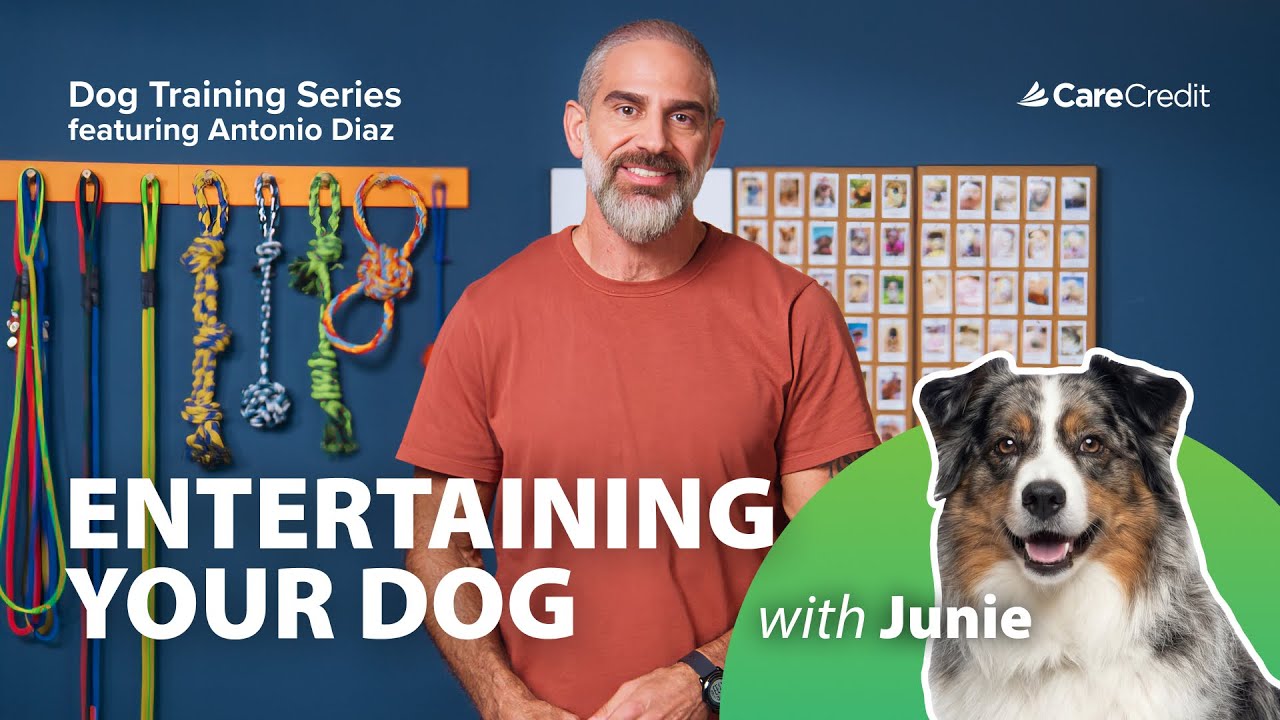
Keeping your dog entertained is important for supporting their overall health, happiness and behavior.1 From fun games and training exercises to activities that keep them busy when home alone, there are countless ways to enrich your pup’s life.
In this article, we’ll explore creative ideas and practical tips you can use to engage your dog and strengthen your bond at the same time.
Benefits of Entertaining Your Dog
You may have heard the saying “a tired dog is a good dog,” but keeping your pup entertained is about more than that. Stimulating your dog with brain and physical exercise is important for their development, health and emotional well-being. When playtime involves you, another family member or other dogs, it becomes a bonding and socializing activity as well.1
Proper entertainment and enrichment activities can help prevent some of the most common behavior issues, including:2
- Anxiety or fear/phobias
- Attention-seeking activities like digging up your garden
- Destructive chewing
If we can work their mind, we can actually get them to be a little bit more tired than we can with the same amount of physical stimulation.
Antonio Diaz
Professional Dog Trainer


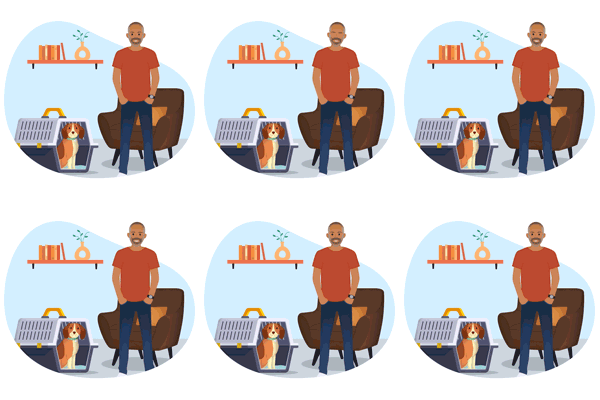
When your dog is home alone, keeping them occupied helps prevent boredom, anxiety and unwanted behaviors. While nothing replaces quality time with you or the rest of the family, there are plenty of ways to make solo hours more enjoyable and mentally stimulating. Interactive toys, food puzzles and calming activities can help ease separation stress. And for dogs who need extra socialization or exercise, doggie day care can be a great option to break up long days and give them supervised playtime with other pups.
9. Puzzle toys
These are great if you need to keep your pup occupied while you’re busy or if it’s too cold to play outside.10
Puzzle toys can offer extra mental stimulation by making it more difficult for your dog to get to the food or treats placed in the puzzle. This can be a specially made puzzle toy purchase from a store, a toy filled with peanut butter and then frozen or something like a snuffle mat, which is a bunch of strips of fabric in a mat that your dog has to sniff and nuzzle around to get to the treats at the bottom.10
10. Dog TV or music
Many dogs respond to music and television. Research shows that pups are especially drawn to classical, reggae and soft rock music, with classical having the most calming effect, lowering anxiety, reducing vocalizations and helping them relax. Since dogs hear differently from humans, they tend to prefer instrumental pieces without extreme highs or lows.11
Dogs don’t see the same colors we do, but they enjoy shows with lots of movement, shapes and hues like blue and yellow. Certain breeds, such as herding dogs, are more likely to enjoy channels like Animal Planet, DogTV on YouTube and even the animated series “Bluey,” which uses colors and patterns dogs can perceive.11
You can experiment with different shows and tunes while you’re home to find out what your dog might like and what can help them stay calm when you aren’t around.11
11. Dog walkers
Hiring a dog walker can be an opportunity to get your dog some midday exercise and interaction. You can find a dog walker through one of the popular pet service apps or ask your vet for recommendations. It's a good idea to interview the dog walker ahead of time and set up a “meet-n-greet” to ensure that you and your dog feel comfortable with them and it gives you the opportunity to share more about your dog's routine, walking preferences, etc.12
12. Doggy day care
If your puppy or dog enjoys the company of other canines and it’s financially feasible, day care is a wonderful option for keeping your pup busy and happy during the day. Your dog will get to play with other pups, get attention from humans and likely sleep very soundly when they get home.13
Be sure to visit the facility (or check out a couple) before deciding, taking note of:13
- Do the people there seem to enjoy what they do?
- Do they give the dogs breaks?
- Does the staff have any training or experience working with dogs?
- Is the facility clean?
- Is there space for your dog to relax?
The Importance of Entertaining Your Dog
Whether you’re engaging in games and training at home, setting up enrichment activities for when they’re alone or exploring options like dog walkers and day care, there are endless ways to keep your pup stimulated and content. By finding the activities your dog enjoys most, you’ll not only help prevent unwanted behaviors but also build a stronger, more trusting bond with your four-legged companion.
CareCredit Credit Card Financing for Dogs
The CareCredit credit card provides a convenient way to pay for your dog’s vaccinations and other health and wellness expenses, including exams, medications and products at providers in the CareCredit network.* Continue your wellness journey by downloading the CareCredit Mobile App. You can find a provider on the go, manage your CareCredit account and easily access the Well U blog for more great articles, podcasts and videos. Use our Acceptance Locator to find a veterinarian that accepts CareCredit to help keep your pet healthy and happy for a lifetime of love.
In addition to pet care, you can also use your CareCredit credit card for dentistry, cosmetic, vision, hearing, health systems, dermatology, pharmacy purchases, spa treatments and so much more within the CareCredit network. How will you invest in your health and wellness next?
Featured Video Expert Bio
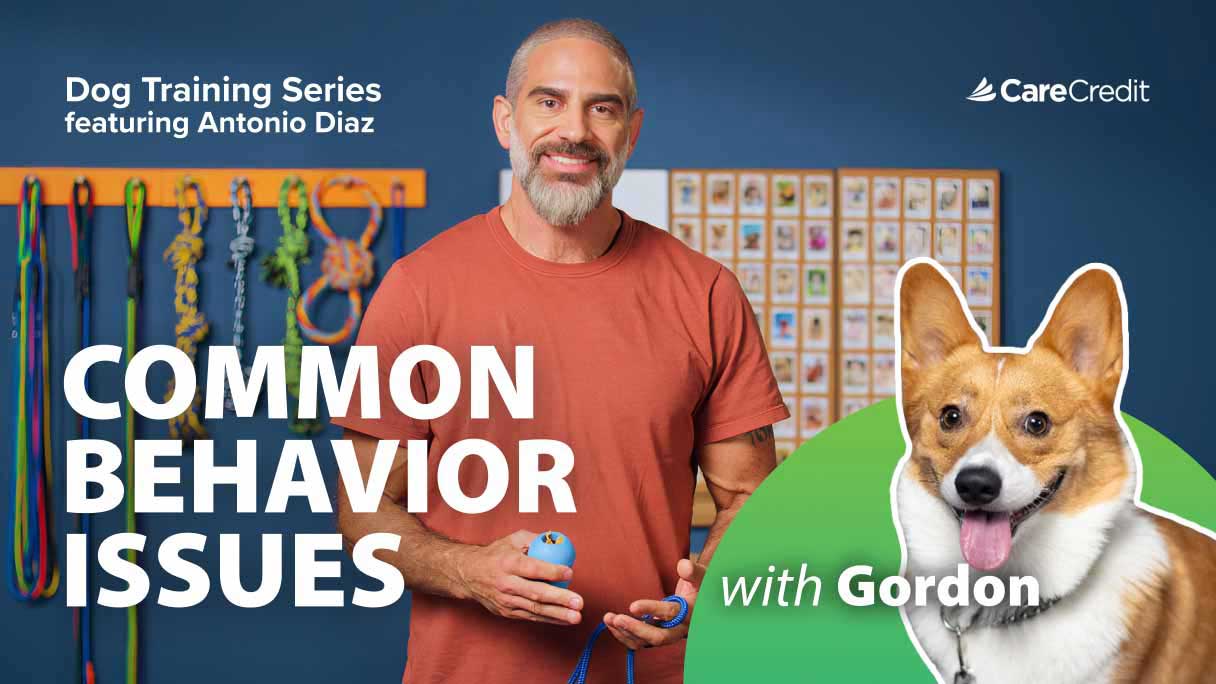
Antonio Diaz, founder of Leader of the Pack K9 Training, is a professional dog trainer and behavior expert with more than a decade of experience in rewards-based balanced training and behavior rehabilitation. Known for his clear communication and ability to simplify complex behavioral concepts, he helps owners develop well-mannered dogs through relationship-based leadership. As director of education for the International Association of Canine Professionals, Antonio helps shape industry standards, professional development and ethical training practices. He also creates online courses and serves as a canine subject matter expert for CareCredit.
Author Bio
Abbie Mood is a freelance writer with more than 15 years of experience. She has worked with clients of all sizes to create compelling content and she has written for the American Kennel Club, Marriott Bonvoy, Women’s Health Online, Headspace and more.

Related Tags
Want to share this on social media?





 VIDEO
VIDEO