 Search

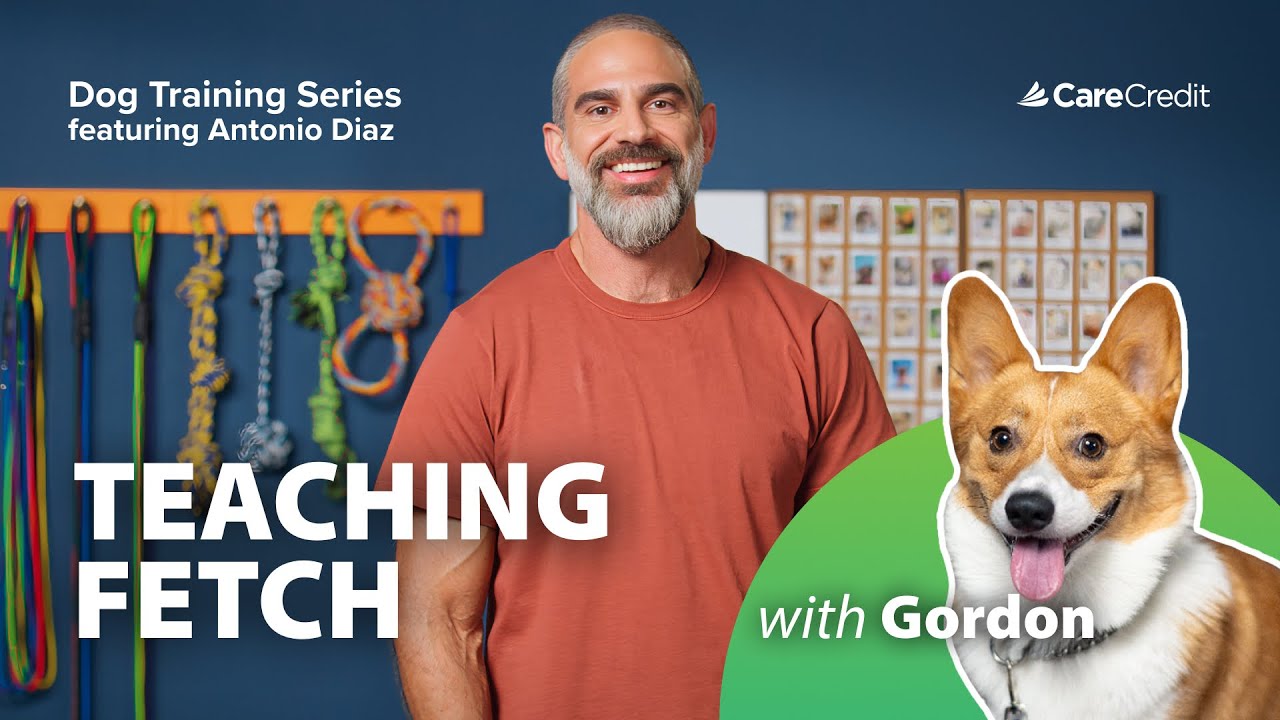
Playing fetch is a classic game that’s a fun and rewarding way to strengthen the bond between you and your dog. This simple activity offers countless benefits, from providing healthy exercise and mental stimulation to reinforcing good behaviors through play. Whether your pup is a natural retriever or has never shown much interest in chasing toys, many dogs can learn to love fetch with the right approach.
1. Choose the Right Toy
Some dogs enjoy chasing balls or flying discs. Other dogs go crazy for plush toys or ropes. Some need a ball that bounces in unpredictable ways or a squeaky toy to get their attention. If none of those work, there are food-dispensing toys that can get their nose engaged and interest piqued.
Choose toys that are appropriately sized for your dog to prevent choking or digestive issues. Avoid items with strings, ribbons or small parts that can be swallowed, and use caution with squeakers. Opt for toys labeled safe for children under 3 or durable options like rubber balls instead of tennis balls. When possible, let your dog pick their favorite, as long as it’s hazard-free.
If your dog doesn’t naturally fetch or show much interest in toys, it can help to keep a few extra supplies on hand, including:
- A clip leash
- A slip leash
- A 20- to 30-foot long line to help guide your dog to you
2. Don’t use commands right away
When starting to teach this skill, it’s important to focus solely on “fetch” and keep it fun. Asking your dog to do too much obedience at this stage can be confusing and detract from learning fetch. While using the recall command (“come”) may help, if your dog doesn’t want to come back to you because they have the toy, it can devalue the recall. Instead, use a long line to guide your dog back to you when needed.
Similarly, using “drop it” too often early on may discourage your dog from wanting to bring the toy to you. Once your dog understands the game and fetches consistently, you can gradually add rules and fold in some obedience commands.
3. Introduce the Toy and Encourage Interest
Once you have selected a toy, it’s time to get your pup excited about it. To quickly encourage interest, you’ll want to have control of the toy so you can move it around on the ground and make it come “alive” for your dog.
To do this, you’ll attach a clip (or slip) leash or rope to the toy. Here’s how to do it (depending on your dog’s interest level, you may be able to skip one or two steps):
- Take the handle of the leash. This is the loop you normally put your hand through.
- Feed the entire leash through the loop. This creates a sliding loop, similar to a noose (it should look like a long letter “p” or “q”).
- Tighten the loop around the toy. Put the toy into the loop and pull the leash until it firmly cinches around the toy.
- Hold the leash by the metal clip. Now the toy is secured at the loop end, and you’re holding the clip end. (Never attach the clip end to the toy; the dog should not bite the clip.)
- Move the toy on the ground to activate their play drive. Drag, tug, pop, zip and/or bounce the toy around on the ground. These motions (similar to a small animal) should instantly pique your dog’s interest, get them excited and make them want to grab the toy. If your dog prefers balls, get a “ball on a rope” and attach your leash or rope to the rope end of the ball.
(Note: You can also use the collar end of a slip leash and a paracord rope to achieve the same result.)
Once your dog is actively chasing the toy, the next step is to allow them to grab and tug on it. We want them to want to keep the toy in their mouth. To encourage this, tease them a bit and then let them grab it again. While they have it in their mouth, frequently and gently tug on it as if you’re trying to pull it out. This will help them learn to want to hold on to the toy.
If it takes your dog some time to engage with the toy or hold onto it, be patient and keep sessions short. Remember that fetch is a game. It’s supposed to be a fun relationship-builder for both of you.
4. Teach Your Dog to Retrieve the Toy
Once your dog is consistently chasing, grabbing and holding onto the toy, you can teach them to retrieve it. To do this, toss the toy just a few feet away. When they run to it and grab it, squat down or lean forward and back up while clapping or tapping your legs (this will encourage them to come to you). When they get to you, gently tug on the toy and let them win. After that, grab the toy firmly, close to their mouth and hold until they let go. Tease a bit and toss again. Repeat this until they are consistently grabbing it and bringing it back.
Backing up, making noise and being cheerful are important here. Moving away from them encourages them to come to you, and using praise and excitement makes them love the game. Your dog will quickly realize that picking up the toy and bringing it to you equals praise and fun.
When your dog is successfully retrieving the toy and bringing it to you consistently, you can add the verbal cue “fetch” just before throwing the toy.
It's great for your relationship. It's a great way to have fun and share a really positive experience.
Antonio Diaz
Professional Pet Trainer


5. Gradually Increase Distance and Difficulty
As your dog becomes more comfortable with the basics of fetch, you can start making the game more challenging and exciting. Gradually increase the distance you throw the toy to help build your dog’s stamina and focus.
Once they’re confidently retrieving from a distance in a familiar setting, try practicing in new environments, like a fenced-in backyard, park or open field. This can help your dog learn to play, follow cues and stay engaged no matter where you are.
While many dogs may pause or sit and wait naturally if you hold the toy and don’t say a word, now is the time you can incorporate the command “sit” before you throw the toy to reinforce obedience and add focus and impulse control to the game.
6. Make Fetch Sessions Fun and Short
As with other types of training, keep your fetch sessions short and always end on a positive note (a successful fetch). This makes the experience enjoyable and rewarding for your dog while preventing fatigue or frustration. Avoid using any corrections during play for missed fetches, as this can easily discourage play.
Troubleshooting Common Fetch Challenges
Even the most playful pups can run into challenges when learning to fetch. Some dogs lose interest in the toy, others run off with it instead of bringing it back and others simply don’t understand the game. These behaviors might be frustrating, but they are completely normal and can be overcome with a bit of patience.
Here are a few typical issues you might encounter, along with suggestions on how to handle them:
- Your dog doesn’t bring back the toy or they run away with it. Many dogs love to play chase or keep away, but don’t engage this behavior by chasing them — that’s the opposite of fetch! Instead, use a long line and some excitement to guide them to you. As soon as they grab the toy, cheerfully call for them (don’t use your recall word; try “c’mon,” “c’mere,” “let’s go” or something similar), make kiss noises and back up while gently reeling in the long line until they come to you.
- Your dog comes back to you, but leaves the toy behind. If your dog comes to you but drops the toy, grab the attached leash or rope and move it around and tease until they grab it again, then immediately back up, get cheerful and encourage them to come to you.
- Your dog loses interest quickly. Increase the value of the toy by keeping it out of sight when it’s not time to fetch and act excited about the toy yourself when you take it out to play. Try to stop playing before your dog loses interest, even if that only means throwing the toy a couple of times before you end the game.
- Your dog seems to be getting fatigued. If you notice they’re losing interest when they’re usually very engaged, or if their tongue starts to curl at the edges or widen at the tip, it’s a sign they’re tired and trying to cool down more efficiently. This could indicate muscle fatigue, and continuing to play can increase the risk of injury. Take a break and resume play when they’re ready.
Successfully Training Your Dog to Fetch
Playing fetch is more than just a game — it’s a joyful way to bond with your dog while giving them physical exercise and mental stimulation. With a little patience and plenty of positive reinforcement, just about any dog can learn to love the chase and return.
CareCredit Credit Card Financing for Dogs
The CareCredit credit card provides a convenient way to pay for your dog’s vaccinations and other health and wellness expenses, including exams, medications and products at providers in the CareCredit network.* Continue your wellness journey by downloading the CareCredit Mobile App. You can find a provider on the go, manage your CareCredit account and easily access the Well U blog for more great articles, podcasts and videos. Use our Acceptance Locator to find a veterinarian that accepts CareCredit to help keep your pet healthy and happy for a lifetime of love.
In addition to pet care, you can also use your CareCredit credit card for dentistry, cosmetic, vision, hearing, health systems, dermatology, pharmacy purchases, spa treatments and so much more within the CareCredit network. How will you invest in your health and wellness next?
Expert Bio
Antonio Diaz
Antonio Diaz, founder of Leader of the Pack K9 Training, is a professional dog trainer and behavior expert with more than a decade of experience in rewards-based balanced training and behavior rehabilitation. Known for his clear communication and ability to simplify complex behavioral concepts, he helps owners develop well-mannered dogs through relationship-based leadership. As director of education for the International Association of Canine Professionals, Antonio helps shape industry standards, professional development and ethical training practices. He also creates online courses and serves as a canine subject matter expert for CareCredit.
Author Bio
Abbie Mood is a freelance writer with more than 15 years of experience. She has worked with clients of all sizes to create compelling content and she has written for the American Kennel Club, Marriott Bonvoy, Women’s Health Online, Headspace and more.

Related Tags
Want to share this on social media?






 VIDEO
VIDEO