
 Search
Weight Loss Clinic Telehealth Trends Include Contactless Payment
Telehealth is expanding to weight loss care — making flexible financing a helpful complement for patients.
By Elizabeth Weiss
Digital Writer
Apr 24, 2026 - 6 min read



Key Takeaways
- Telehealth is expanding weight-management care by enabling private, convenient, supportive treatment models (GLP-1 prescribing, subscription programs, behavioral coaching and remote monitoring).
- Pairing virtual care with digital payments and optional financing can help reduce cost friction and potentially improve access, satisfaction and adherence by making out-of-pocket expenses easier to manage.
- Successful adoption requires operational rigor — clear communication about options, plus ongoing attention to compliance, privacy/security, documentation and staff training.
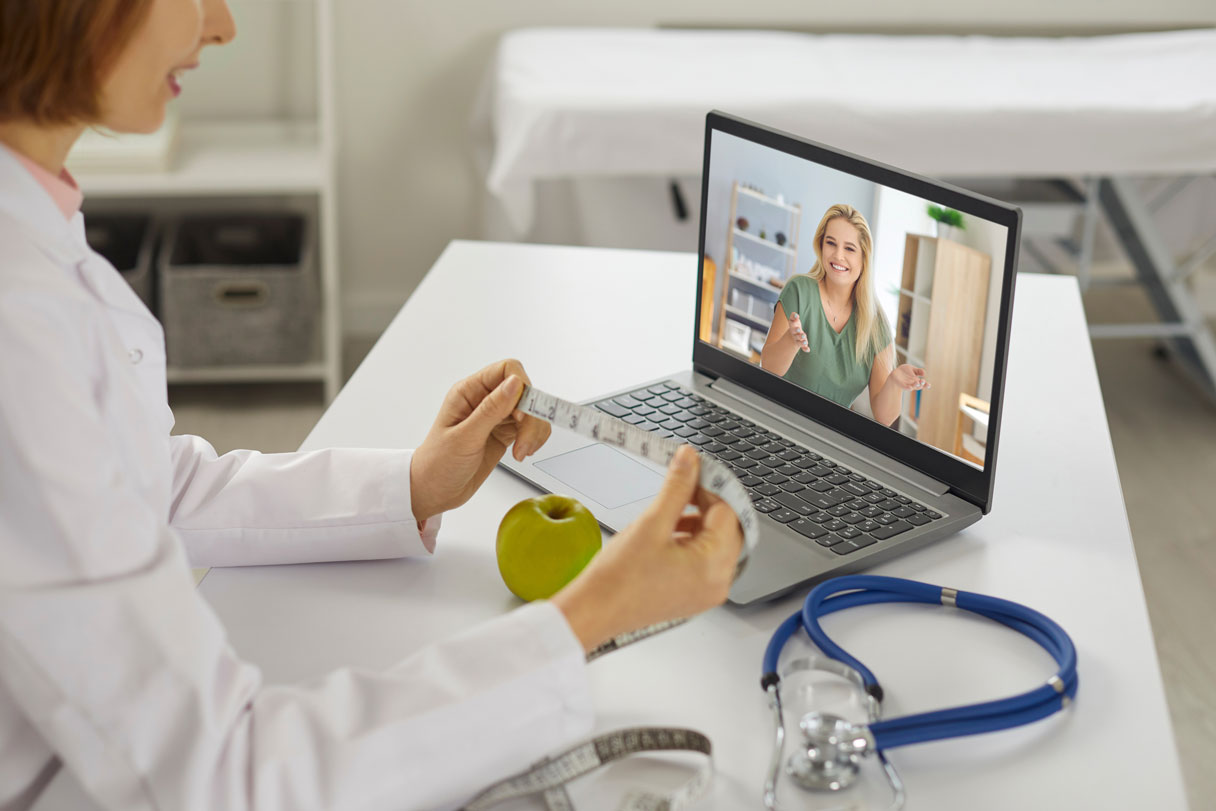
Weight and body image can be personal and difficult, and conversations about them aren’t always easy. Telehealth can give health and wellness providers a unique opportunity to meet patients and clients in a more private, one-on-one setting, helping reduce stigma while building trust through compassionate, convenient care. By sharing the latest advancements in weight loss and wellness treatments, you can help your patients or clients feel more comfortable, increase transparency and improve customer satisfaction.1
As virtual weight management options continue to evolve — from GLP-1 prescribing and subscription-based models to behavioral support and remote monitoring — providers can also differentiate their services by pairing clinical innovation with simpler ways to pay. By offering contactless payment experiences and optional financing solutions, practices may help remove cost concerns, expand access to care and help strengthen patient and client satisfaction.
Emerging Trends in Telehealth for Weight Loss
Telehealth interventions for weight loss treatment offer health and wellness providers a way to integrate digital care into their service offerings.2 By combining telehealth with validated connected devices and digital tracking tools, clear protocols and integrated behavioral support, you can help drive meaningful weight loss results for clients. Current telehealth trends in obesity care include:
- GLP-1 weight loss prescriptions. The rise of GLP-1 medications prescribed via telehealth, including tirzepatide (Mounjaro®, Zepbound®), semaglutide (Ozempic®, Wegovy®) and liraglutide (Saxenda®), has produced positive results for many individuals. However, providers must navigate varying state regulations and shipping restrictions that may limit access in some areas.3 Despite these challenges, offering clients convenient telehealth options can allow them to explore personalized treatments aligned with their health needs.
- Subscription-based care models. While telemedicine subscriptions for weight loss drugs are generally available nationwide, providers should consider a comprehensive subscription model that goes beyond prescriptions. These models often include regular virtual check-ins, ongoing access to care teams and competitive pricing models.
- Behavioral support. Weight loss can involve a mental health journey as well as a physical journey, and support services can be integrated into telemedicine through digital coaching and personalized behavioral health support. By meeting this demand, providers can offer holistic, patient-centered care that addresses both the psychological and physical aspects of weight management.
- Remote device monitoring. Telehealth for weight loss benefits can pair virtual care and weight loss management with remote devices for health data monitoring and behavior detection. Data and patient-reported information can be collected through connected weight scales, blood pressure cuffs, digital food logs, blood glucose monitors and activity or sleep trackers. It’s important to reassure clients about privacy safeguards when it comes to the collection of sensitive health data such as weight, lab results and caloric intake.
Contactless Financing for Telehealth Weight Loss Services
Telehealth services that offer personalization and convenience, along with weight loss medication prescriptions, may appeal to clients interested in online, private care. Add a digital, contactless financing option to the mix, and the perks below may help weight loss clients feel good about fully investing in their journey.
- Flexible ways to pay. Contactless payment tools can make it easy for patients and clients to pay digitally, while patient financing options can help eligible clients spread costs over time. Patient satisfaction with wellness care is often closely connected to better adherence to treatment plans and improved outcomes. Flexible payment options can help support this reality.1
- Digital simplicity. CareCredit integration with practice management software can help make payment processing simpler and workflows more efficient. When patients pay using the CareCredit credit card, payment is delivered directly to your practice within two business days.
- Benefits to clients. Flexible financing options can help empower clients to move forward with the treatments they want or need, from a GLP-1 prescription to nutrition counseling and related procedures. Your practice can potentially appeal to more clients when you differentiate yourself through the value you offer.
- Benefits to providers. Third-party financing options, such as CareCredit, can help support client acquisition, reduce some administrative workload and contribute to fast, predictable payment cycles.1
Integrated Payment Solution for Weight Loss Clinics
Implementing digital payment tools and financing options for weight management programs may require consistent communication with patients. It may also involve one upfront effort from your administrative team to tailor telehealth and financing options that are both appropriate and appealing.
- Adopt a versatile option. Offering CareCredit in your practice as a financing solution can provide clients with a flexible way to pay for their health and wellness costs over time. This not only helps them move forward with the weight loss care they want or need but also helps streamline the payment process for your practice. CareCredit applications can be offered conveniently both in-person and during telehealth visits, helping expand your reach and accessibility.
- Communicate consistently. Communicate with current and potential clients so they are aware that digital, contactless financing is available during telehealth consultations or office appointments. Build trust in each interaction by actively listening, demonstrating genuine compassion, maintaining eye contact and personalizing messaging. Establishing rapport can help make communicating financing options a more comfortable and effective process.
- Manage compliance and security best practices. Establishing and sustaining telehealth and financing options requires attention to regulatory compliance, regular system updates, thorough documentation and ongoing staff training on security protocols and compliance standards. Staying proactive in these areas can help protect both your clients and your practice.
Expanding Access to Care With Telehealth, Digital Payments and Financing
Weight loss can be a mountain to climb for many people, but telehealth services can offer health and wellness providers a way to reach more patients seeking private, supportive care. Offering contactless payment financing can help address payment concerns, helping make weight loss programs more accessible and manageable for patients.
Frequently Asked Questions
What are the primary benefits of telehealth for weight loss patients and providers?
Both patients and providers can benefit from telehealth services. Weight loss patients rely on convenient services, whether at home, traveling or unable to take time off work for an appointment. Personalized care, comprehensive support and regular guidance can provide a sense of community and accountability that can positively influence long-term weight loss. Providers can use continuous remote monitoring to observe a client's progress and intervene as needed to help support their care and weight loss goals.2
How can third-party financing options help minimize cost concerns about weight loss treatments and programs?
Flexible financing options can help patients manage the cost of their weight loss journey over time, rather than needing to make a significant payment upfront. For instance, CareCredit offers promotional financing options that can be used for a wide range of health and wellness services.*
What should providers consider when offering financing for telehealth weight loss services?
It’s important to get the messaging right when offering financing options for your weight loss services. Many insurance plans only cover weight loss programs if they are considered medically necessary, which can make out-of-pocket costs a concern. Make it clear to clients that digital coaching and financing can be cost-effective, making it easy for them to prioritize wellness.
Offer Flexible Financing at Your Practice
If you are looking for a way to connect your patients or clients with flexible financing that empowers them to pay for the care they want and need, consider offering the CareCredit credit card as a financing solution. CareCredit allows cardholders to pay for out-of-pocket health and wellness expenses over time while helping enhance the payments process for your practice or business.
When you accept CareCredit, patients or clients can see if they prequalify with no impact to their credit score, and those who apply, if approved, can take advantage of special financing on qualifying purchases.* Additionally, you will be paid directly within two business days.
Learn more about the CareCredit credit card as a financing solution or start the provider enrollment process by filling out this form.
Author Bio
Elizabeth Weiss is a freelance writer and editor with more than 20 years of experience in content development for dentistry, orthodontics and cosmetic dermatology. She focuses on making healthcare topics accessible to readers and contributes to many fields, from family and estate law to industrial services and landscape design.

Healthcare payment and financing solution
The CareCredit health and wellness credit card helps improve the payment experience for patients and clients, and your financial performance.
Get StartedReady to help more patients and clients get the care they want and need?
Get Started
Related Content
View All

 Articles

Ready to help more patients and clients get the care they want and need?
Get Started*Subject to credit approval.
The information, opinions and recommendations expressed in the article are for informational purposes only. Information has been obtained from sources generally believed to be reliable. However, because of the possibility of human or mechanical error by our sources, or any other, Synchrony and any of its affiliates, including CareCredit, (collectively, “Synchrony”) does not provide any warranty as to the accuracy, adequacy or completeness of any information for its intended purpose or any results obtained from the use of such information. The data presented in the article was current as of the time of writing. Please consult with your individual advisors with respect to any information presented.
© 2026 Synchrony Bank.
Sources:
1 Worrall, Ashley. “What is patient satisfaction and what is its financial impact?” Relias. May 6, 2025. Retrieved from: https://www.relias.com/blog/what-is-patient-satisfaction-and-its-financial-impact
2 Cummins, Molly R. “Telehealth and digital health for obesity: Devices, evidence and how to implement,” Telehealth. Retrieved from: https://telehealth.org/blog/telehealth-and-digital-health-for-obesity-devices-evidence-and-how-to-implement/
3 "From molecules to milestones: Reinventing for the future of weight loss drugs," PwC. October 2024. Retrieved from: https://www.pwc.com/us/en/services/consulting/business-model-reinvention/glp-1-trends-and-impact-on-business-models.html