 Search
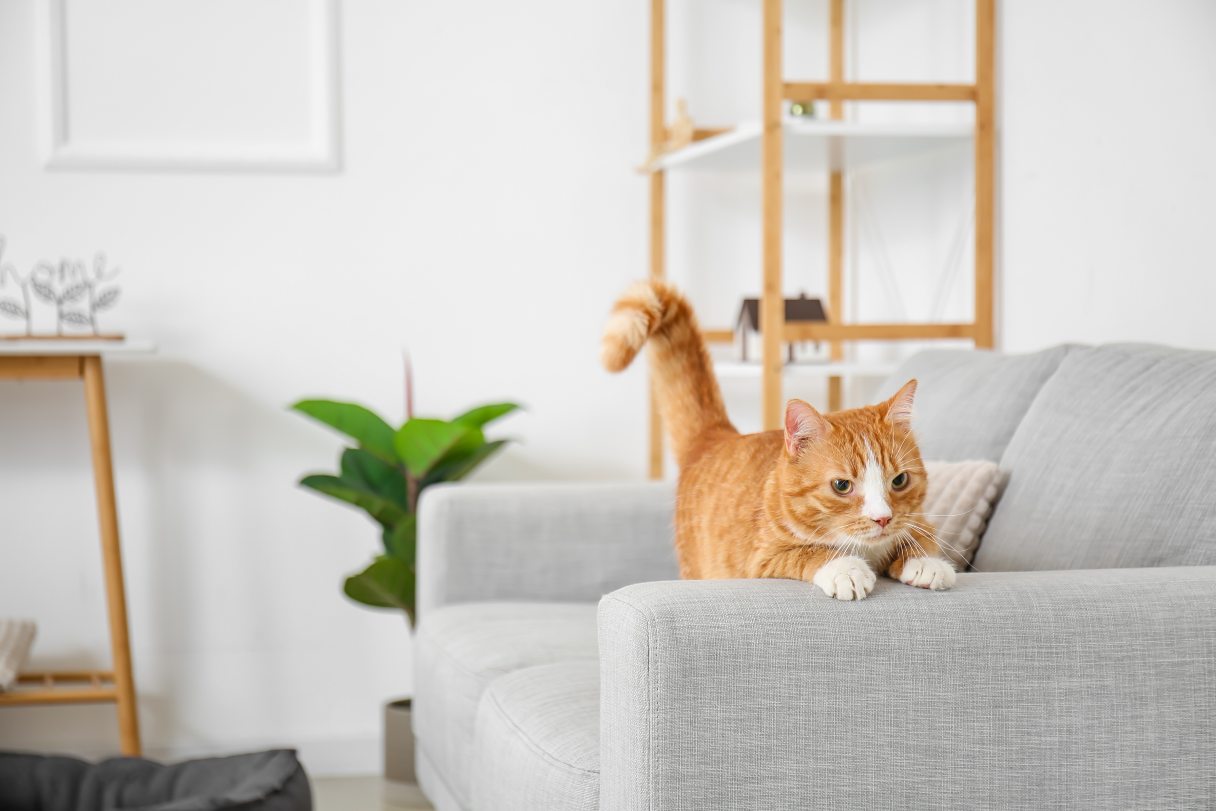
If you have a cat, you may have seen them kneading their front paws against soft surfaces, or perhaps even felt them as they dig their claws into your lap. Affectionately referred to as “making biscuits,” this is a common cat behavior. But what does it mean?
While you might wonder if your kitty is trying to tell you something is wrong, cats knead for several different reasons. Learn more about kneading in cats, including why they do it, how to manage it and when you should be concerned.
What Does the Phrase “Making Biscuits” Mean for Cats?
The feline behavior commonly referred to as “making biscuits” describes when a cat is kneading — rhythmically pressing their front paws alternately against blankets, pillows or other soft surfaces. The phrase “making biscuits” is used because of how it resembles kneading biscuit dough.1
Common theories on why cats knead
While nobody has ever been able to crawl inside a cat’s brain to find out exactly what goes on in there, there are some theories as to why cats knead their paws and what this behavior means. Here are seven of the most common explanations.
- Comfort and contentment. Kneading in cats may be an expression of contentment. It’s common for cats to knead when they’re getting comfortable and relaxing, or when they’re receiving pets and affection.2
- Kittenhood holdover. Cat kneading starts early, when nursing kittens make biscuits on their mother to help stimulate milk production.3
- Marking territory. A cat’s paws contain scent glands that identify them to other animals. When they knead their paws on a surface, it releases their scent and marks their territory, letting other animals know it belongs to them.1
- Mating behavior. Female cats that are in heat may stretch out and make biscuits with their paws as a sign to male cats that they’re available.2
- Nesting instinct. While your indoor kitty’s chosen nap spot might already be soft and comfy, instinct may drive them to knead the spot to get it ready for their cat nap.2
- Sign of affection. Cats may also knead people or other pets to show them love and affection.3 It’s a way for cats to express that they trust you and are happy and comfortable in your presence.1
- Stretching and exercise. Some cats may knead their bedding when they wake up just to stretch their paw muscles after lying still for a long time. The stretching action helps to keep their toes limber.4
Do All Cats Knead?
Not all cats are regular kneaders, and some cat breeds are more prone to making biscuits than others.5
Naturally affectionate breeds, such as Ragdolls and Siamese cats, are more likely to engage in biscuit-making than cats with a more aloof nature.5 But life experience may be the deciding factor.
Cats who had positive associations with their mother during kittenhood, or who have experienced close bonds with their humans, are the likeliest to make biscuit-making a habit.4
Is Kneading Normal Cat Behavior?
Kneading is a perfectly normal and healthy behavior, and it’s generally a sign that your cat is happy and healthy.4 But excessive kneading could be a sign that your kitty is stressed or not feeling well, as they may knead more than usual to soothe themselves.3
If your kitty is a habitual kneader who suddenly stops kneading, this could be a sign of illness. In either case, you should talk to your vet about any sudden changes in your cat’s behavior.3
While kneading is normal, it’s not always pleasant for the recipient. Just imagine your kitty trying to show affection by kneading your leg while you’re wearing shorts. Kneading can be a cause of unintended scratches on skin, clothing, furniture and even other pets.
While making biscuits is often cute cat behavior, it can sometimes be a nuisance.3
How Should Cat Owners Respond to Kneading?
It’s important to remember that kneading is a healthy behavior for cats and that it’s often a way for them to show you love and let you know they’re happy. It can also be a way for them to comfort themselves.1 Your kitty should never be punished or scolded for what is overall a positive behavior. Instead, when it becomes bothersome, it’s better to redirect their kneading to a more appropriate object that won’t suffer any damage or harm.3
Here are a few steps you can take to protect yourself and your furniture from enthusiastic kneading:3
- Cover your lap with a thick blanket or pillow to protect your legs during cuddle sessions.
- If necessary, feel free to move your cat to a more appropriate kneading spot.1
- Keep your cat’s nails trimmed so they won’t be sharp enough to do damage.
- Provide scratching posts to give your kitty another outlet for working out their paws.
- Using positive reinforcement — reward your kitty with treats and praise when they knead in your preferred spots.1
Myth Busting: Common Misconceptions About Cat Kneading
It’s just as important to understand what doesn’t motivate cats to make biscuits as it is to understand why they do. Your kitty isn’t being aggressive or trying to annoy you when kneading.2 Mistaking this gesture of trust and affection for misbehavior is an easy error to make, but recognizing cat kneading for the positive, comforting behavior it truly is helps strengthen your bond with your feline friend.
Other Interesting Facts About Cat Kneading
Here are a few additional fun facts you might not know about cats and making biscuits.
- Aggressive kneading could be a sign that your cat is overstimulated. If their kneading becomes too much to bear, redirect them into another activity, or give them space to chill out.4
- In the wild, cats of all kinds knead the grassy ground to make it comfortable for sleeping and resting.3
- When nursing kittens knead their mothers, the behavior is associated with a feel-good hormone response.3 Some cat experts think this carries into adulthood and is why cats knead when they’re happy or feeling affectionate.3
Understanding Your Cat to Build a Stronger Bond
Making biscuits is a natural way for cats to feel good, show affection and follow their instincts. While this behavior can at times be a pain, it’s important to understand that it’s your kitty’s way of communicating their happiness to be near you. Taking steps to protect your skin and your furniture from those busy claws will make it easier to relax and enjoy exchanging affection with your cat during their kneading sessions.
CareCredit Credit Card Financing for Cats
The CareCredit credit card is an easy way to pay for your cat’s annual checkups, food and products at veterinary practices in the CareCredit network.* Use our Acceptance Locator to find a veterinarian near you that accepts CareCredit to help keep your pet healthy and happy for a lifetime of love. CareCredit is there for you and your pet every step of the way; continue your wellness journey by downloading the CareCredit Mobile App to manage your account, find a provider on the go and easily access the Well U blog for more great articles, podcasts and videos.
In addition to pet care, you can also use your CareCredit credit card for dentistry, cosmetic, vision, hearing, health systems, dermatology, pharmacy purchases, spa treatments and so much more within the CareCredit network. How will you invest in your health and wellness next?
Author Bio
Jean Marie Bauhaus is a freelance writer and novelist who has been writing pet content since 2013. Her work has appeared on Forbes.com, Hill’s Pet, Chewy, AKC.org and more.

Related Tags
Want to share this on social media?





 ARTICLE