
 Search
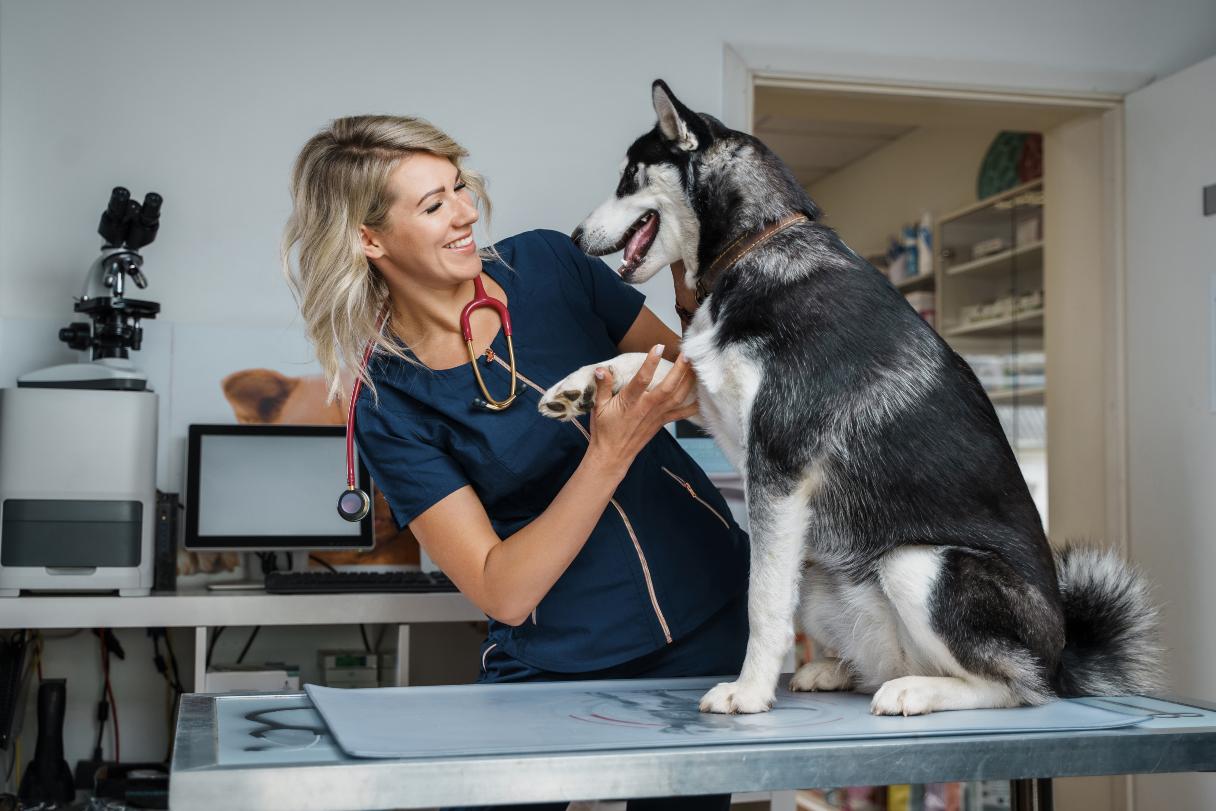
Is your dog itching and losing hair? They could have mange. While mange in dogs is a treatable condition, one type of mange is highly contagious, so it’s important to recognize the signs and act quickly if your dog starts losing fur.1 Here’s what you may want to know about mange, including symptoms, treatment and prevention options.
What Is Mange?
Mange is a catch-all word for various skin diseases caused by an infestation of mites. The term comes from the French word “mangeue,” which means “to eat or itch.”1 While other symptoms may be present, mange primarily causes severe itching and hair loss. The mites responsible for mange tend to be microscopic, but infestations of larger, visible mites, such as chiggers, can also cause mange-like symptoms.2
Two main types of mange affect dogs and puppies: demodectic mange and sarcoptic mange.1
Demodectic mange
Demodectic mange, also known as “red mange” or simply “Demodex,” is the most common type of mange in dogs.3 It’s caused by any of three species of parasitic mites, which include:4
- Demodex canis
- Demodex cornei
- Demodex injai
Demodex mites may naturally occur in all dogs, taking up permanent residence in the hair follicles. In a healthy dog, the immune system keeps these mites from proliferating and increasing in numbers that could become harmful to the host.4
While not contagious, Demodex mites are passed from nursing dogs to their puppies.4 Most commonly, young dogs without fully developed immune systems develop mange from the presence of these mites, usually between 12 and 18 months of age.4 Demodectic mange can also occur in older dogs with compromised immune systems or in whom immunity has weakened with age.4
Sarcoptic mange
Also known as scabies, sarcoptic mange is a highly contagious type of mange caused by another parasitic mite known as Sarcoptes scabiei.5 These mites live beneath the surface of the skin and cause intense itching in the host.4
Sarcoptic mange is less common than Demodectic mange and usually occurs when a dog comes into contact with another canine who is infested with scabies.6 It can occur in dogs of any age and is usually found in stray dogs.4 It’s a zoonotic condition, meaning that it can be transmitted from dogs to humans.5
Causes of Mange in Dogs
While mites are the primary cause of mange in dogs, a few factors may weaken a dog’s immune system and make them more susceptible to contracting mange. These include:
- Age2
- Illness2
- Poor nutrition4
- Stress6
Frequent contact with other dogs may also increase the possibility of contracting Sarcoptic mange.6
Symptoms of Mange in Dogs
Demodectic mange may be either localized, meaning it occurs in small patches, or generalized, which means it covers the whole body.1 Localized patches typically occur around the eyes, on the muzzle or along the front legs.4
Demodex mange
The symptoms of demodex mange include:4
- Appetite loss
- Bleeding skin
- Crusty, oozing skin
- Fever
- Hair loss
- Inflamed skin
- Itching
- Low energy
- Red, scaly skin
- Secondary yeast or bacterial skin infections
- Skin bumps
Sarcoptic mange
The symptoms of sarcoptic mange include:4
- Appetite loss
- Depression
- Enlarged lymph nodes
- Hair loss
- Itching
- Low energy
- Secondary skin infections
- Skin bumps
- Skin rashes
- Weight loss
- Yellow, crusty skin
Scabies causes painfully intense itching. As a result, it can also be common for dogs with this type of mange to have self-inflicted wounds from constant scratching and chewing in an attempt to relieve the itch.4
Diagnosing Mange in Dogs
For both types of mange, veterinarians usually take a skin scraping to examine under a microscope for the presence of mites.1 If this is inconclusive, they may also examine a hair sample or do a skin biopsy.4 Additionally, if your vet suspects that the presence of mange is due to a weakened immune system, they may do additional tests to determine the underlying cause.4
Treating Mange in Dogs
For both types of mange, the treatment is similar. It typically involves either topical or oral medication to kill the mites, along with weekly baths with medicated shampoo to help heal the skin.1 If a secondary infection is present, your dog may also be given antibiotics or antifungal medication to treat the infection.4
Demodectic mange
If your dog has Demodectic mange and your vet has identified an underlying health condition, then that condition will receive treatment in addition to the mange itself. Your vet may also recommend a special diet or nutritional supplements to help boost your dog’s immune system.4
Sarcoptic mange
If your dog is found to have Sarcoptic mange, they’ll need to be quarantined until the mange clears up. Any other pets your dog came into contact with in your home will also need to be quarantined and treated for scabies, and all toys, bedding and sleeping areas will need to be thoroughly cleaned and disinfected.4
Preventing Mange in Dogs
While you may not be able to completely prevent your dog from getting mange, here are some steps you can take to reduce the likelihood of an infestation:6
- Ask kennels or doggie daycares about their sanitation practices before leaving your dog there.
- Prevent your dog from coming into contact with strange dogs or canine wildlife.
- Stay up to date on routine health checks so your vet can identify and treat any health conditions that might weaken the immune system.
- Support your dog’s immune system with proper nutrition.4
- Try to avoid subjecting your dog to stress.
Acting Quickly for Your Dog’s Health and Comfort
Mange is uncomfortable for your dog, and depending on the type, it could potentially spread that discomfort to your whole family. If you notice signs of mange in your dog, it’s important to act quickly and have your dog checked out by a vet to identify both the type of mange and whether there are any underlying conditions affecting your pup. Fortunately, mange is a treatable condition, so the sooner you take action, the sooner your dog will get relief.
Frequently Asked Questions About Mange in Dogs
Do you still have questions? Here are answers to some commonly asked questions by dog owners on this topic.

CareCredit Credit Card Financing for Dogs
Taking good care of your pet’s well-being from nose to tail is essential. Make sure to stay up to date on their regular checkups at the vet to help keep your pet happy and healthy for a lifetime of love. You can use your CareCredit credit card for pet care throughout the year for routine veterinary services as well as emergencies and surgeries.* Use our Acceptance Locator to find a veterinarian near you that accepts CareCredit.
CareCredit is there for you and your pet every step of the way; continue your wellness journey by downloading the CareCredit Mobile App to manage your account, find a provider on the go and easily access the Well U blog for more great articles, podcasts and videos.
In addition to pet care, you can also use your CareCredit credit card for dentistry, cosmetic, vision, hearing, health systems, dermatology, pharmacy purchases, spa treatments and so much more within the CareCredit network. How will you invest in your health and wellness next?
Author Bio
Jean Marie Bauhaus is a freelance writer and novelist who has been writing pet content since 2013. Her work has appeared on Forbes.com, Hill’s Pet, Chewy, AKC.org and more.

Related Tags
Want to share this on social media?






 ARTICLE