 Search

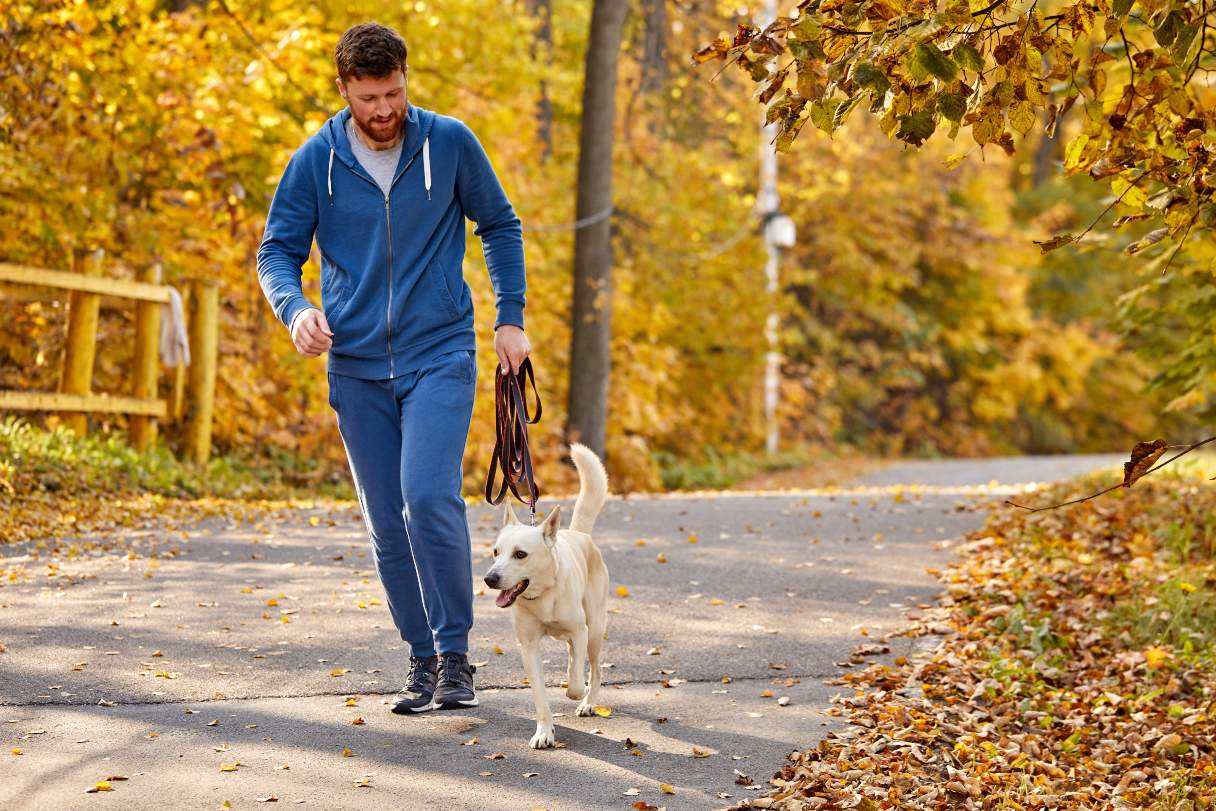
Picture this: You are hiking on a lakeside trail with your dog on a hot day. When your dog starts panting, you realize that you forgot to bring bottled water. No problem — there is a large body of water right beside you. However, you may not be aware that letting your dog lap up lake water or jump in to cool off might expose them to Giardia.
What Is Giardia?
Giardia is a microscopic, single-celled parasite that can infect the intestinal tract of many animals, including dogs. Giardia exists in two forms:
- Trophozoite. These are the parasitic forms of Giardia that live within an animal’s intestines. They use whip-like flagella to swim around and also have a suction cup-like structure that allows them to attach to the intestinal wall.
- Cyst. Trophozoites become cysts as they near the end of the intestinal tract, before they are passed in the feces. Cysts are oval-shaped with a thick wall that allows them to survive in the environment. This is the infective stage that can be ingested by other animals to continue the life cycle.
Giardia in Dogs
The type of Giardia that commonly infects dogs is Giardia duodenalis, formerly known as Giardia lamblia and Giardia intestinalis. The parasite has multiple “assemblages” that are somewhat species-specific, with assemblages C and D most likely to infect dogs.
People can also become infected with Giardia duodenalis, but commonly become infected with assemblage A. This assemblage has a wider host range that includes pet species and is sometimes passed between dogs and people.
Common causes
Giardia cysts are shed in the feces of infected animals, including many wild animals, and are commonly found in bodies of water, such as ponds and lakes. Dogs typically become infected when they drink water contaminated with Giardia cysts. Dogs can also pick up the parasite through contact with feces in the environment.
Symptoms
The presence of Giardia trophozoites in the intestinal tract can cause diarrhea, lethargy and weight loss. Vomiting may also occur, but it is not as common. However, many infected dogs, especially dogs with chronic infections, show no obvious signs. Puppies are more likely to develop diarrhea than adult dogs.
It is important to understand that infected dogs who are asymptomatic can still shed cysts into the environment that can infect other animals.
Diagnosis
If your dog has diarrhea, they should be seen by a veterinarian. Your vet can screen your dog for Giardia using two different types of tests:
- Microscopic fecal exam. A small sample of feces is mixed with liquid and examined under the microscope. The presence of cysts or trophozoites confirms a diagnosis of Giardia. However, a negative result does not rule out Giardia, as infected dogs may not shed cysts continuously.
- Antigen testing. This is a more reliable testing method, since it detects proteins in the feces that are made by the parasite. Antigen testing can detect the presence of Giardia even when cysts are not present. Antigen testing can be performed in the office and can provide a diagnosis in about 10 minutes. Alternatively, your veterinarian may send a fecal sample to a veterinary laboratory for antigen testing.
Treatment
Giardia is treated with a prescription antiparasitic medication that will kill the parasite. The medication is typically given for seven to 10 days. While one course is typically sufficient to eliminate the infection, some dogs may require additional treatment, especially if they have a chronic infection. The national average cost* of treating mild diarrhea in dogs in the United States is $208, whereas the average cost of treating moderate diarrhea is $518.1
Giardia is very infectious, and dogs can easily be reinfected through environmental contamination. Ingestion of only a few cysts can cause a follow-up infection. Therefore, treatment should also include disinfecting your dog’s environment, washing all bedding, toys and food bowls and bathing your dog to remove any infectious cysts.
Tips to Prevent Your Dog From Becoming Infected With Giardia
Since dogs get Giardia by ingesting cysts from the environment, you can take steps to protect your dog from infection. These tips may help prevent your dog from picking up a Giardia infection:
- Clean up any feces in your yard promptly.
- Deter wildlife from entering your yard by securing any trash and keeping brush cleaned up.
- Don’t let your dog drink from outside water sources, including puddles, lakes, ponds and streams.
- Don’t let your dog eat feces from other animals.
- Don’t let your dog ingest wild animals that may carry the parasite.
- Keep your dog leashed when you are walking or hiking so you can watch them closely.
- Take clean water and a bowl when hiking so your dog has fresh water to drink.
Guard Against Giardia
Giardia is a common cause of diarrhea in dogs. However, by knowing about the parasite and ways to help prevent infection, you can help keep your dog healthy. If your dog develops diarrhea or other signs of an intestinal issue, have them seen by a veterinarian promptly.
Frequently Asked Questions About Giardia in Dogs
Do you still have questions about Giardia in dogs? These answers to frequently asked questions by pet owners may help.

CareCredit Credit Card Financing for Dogs
Taking good care of your pet’s well-being from nose to tail is essential. Make sure to stay up to date on their regular checkups at the vet to help keep your pet happy and healthy for a lifetime of love. You can use your CareCredit credit card for pet care throughout the year for routine veterinary services as well as emergencies and surgeries.** Use our Acceptance Locator to find a veterinarian near you that accepts CareCredit.
CareCredit is there for you and your pet every step of the way; continue your wellness journey by downloading the CareCredit Mobile App to manage your account, find a provider on the go and easily access the Well U blog for more great articles, podcasts and videos.
In addition to pet care, you can also use your CareCredit credit card for dentistry, cosmetic, vision, hearing, health systems, dermatology, pharmacy purchases, spa treatments and so much more within the CareCredit network. How will you invest in your health and wellness next?
Author Bio
Angela Beal, D.V.M., has more than 20 years of experience as a veterinarian. Leveraging her background in private practice and academia, she uses her passion for writing to convey information to pet owners to help them keep their pets healthy and happy.

Related Tags
Want to share this on social media?





 ARTICLE