 Search
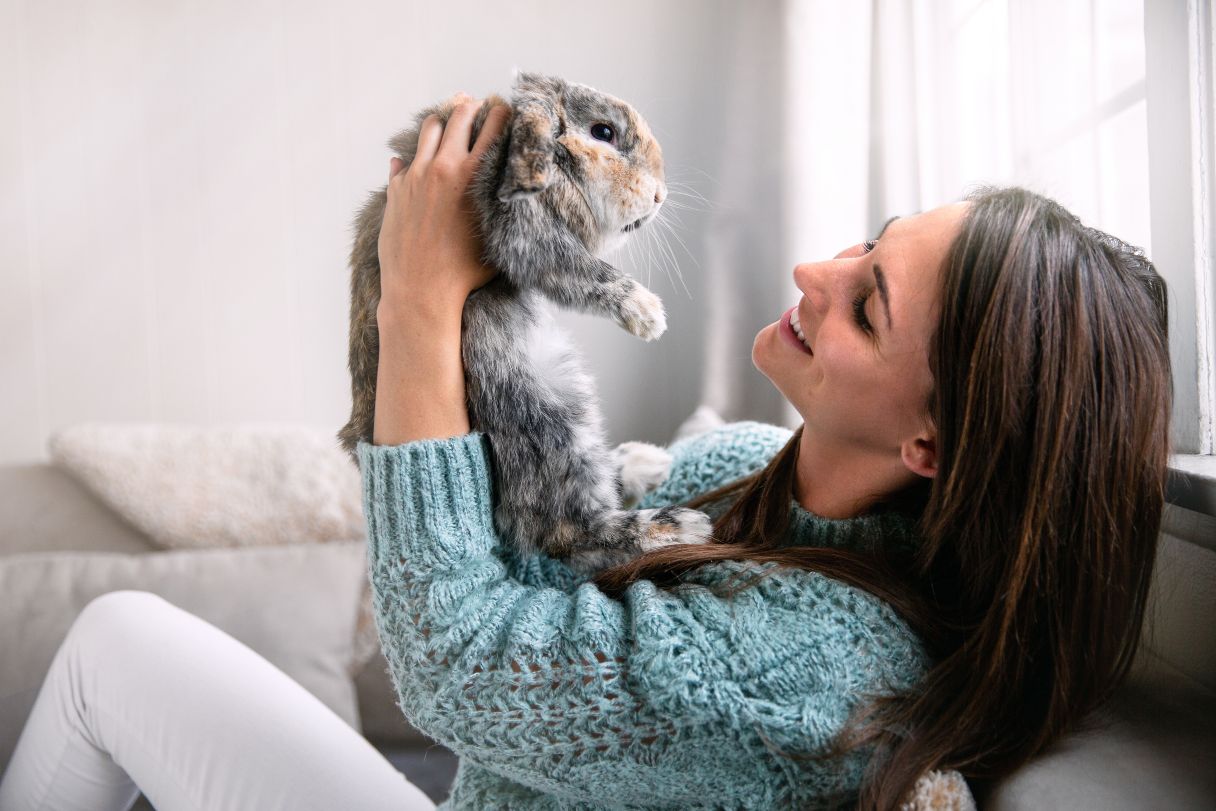
Rabbits can make unique, loving pets. However, intact rabbits can develop unwanted behaviors when they reach sexual maturity. Additionally, unspayed female rabbits can develop uterine cancer. Neutering a rabbit helps to prevent these issues and helps ensure your bunny stays happy and healthy.
What Is Rabbit Neutering?
Rabbit neutering is the surgical removal of a bunny’s reproductive organs to prevent breeding and reduce hormone-driven behaviors.
Neutering is a crucial step rabbit owners can take to safeguard and support their pet’s long-term health and well-being. Although surgical complications are possible, neutering dramatically reduces the chances of reproductive cancers that can shorten a rabbit’s life and behavior problems that make life with a rabbit roommate more challenging.
Rabbit neuter vs. spay
In males, the surgery is called a neuter, castration or orchiectomy and involves removing the testicles. In females, the surgery is called a spay or ovariohysterectomy (OVH) and involves removing the uterus and ovaries.
Age considerations
Most healthy rabbits can be safely neutered by a veterinarian who has experience working with exotic pets. The ideal candidate for surgery is young, healthy and has not yet reached sexual maturity.
However, neutering older rabbits can still have benefits. In females, age determines how much of the reproductive system the veterinarian must remove, as the concern for undetected cancer in reproductive tissues rises between 1 and 3 years of age.1
Benefits of Having Your Rabbit Neutered
Neutering offers important health, behavioral and social advantages that improve your rabbit’s overall well-being, including:
- Increases the likelihood of successful bonding with other rabbits, supporting their natural need for social companionship
- Makes litter training easier
- Often results in a calmer, more manageable rabbit
- Eases the burden on shelters and rescues that frequently receive surrendered or abandoned rabbits
- Helps reduce unexpected litters in homes
- Greatly reduces the chance of reproductive cancers in females
- Lowers the chance of testicular issues in males and curbs hormone-driven behaviors like mounting, aggression and urine marking
How Much Does It Cost to Neuter a Rabbit?
The cost of spaying or neutering a rabbit varies depending on the exact procedure, the general cost of living in your area, where you have the procedure performed and your bunny’s age, sex and health history. Neutering a male rabbit is faster and less invasive than spaying a female, so it usually costs less.
Rabbit neuter surgery can cost around $390 to $550.2 Low-cost options are available in some areas, with prices for males starting at $150.3
Cost is not the only factor to consider when choosing a veterinarian for rabbit neuter surgery. Clinics that specialize in exotic pets often charge more, but they also have more experience with rabbit anesthesia and postoperative care, which can reduce the likelihood of complications.
You may also want to consider what’s included in the estimated cost. Some veterinarians charge a flat fee for all surgical services, including preoperative exams and tests, surgery, pain medication and follow-up visits. In contrast, others charge separate fees for each service. You are likely to pay more for rabbit neuter surgery if your rabbit develops postoperative complications, such as an infection.
Does Pet Insurance Cover Rabbit Neutering?
Most pet insurance providers in the United States do not offer policies for exotic pets. However, if you do have insurance coverage for your rabbit’s health expenses, it’s unlikely to cover the cost of neutering. This procedure is considered preventive and elective, and most standard insurance policies don’t cover costs associated with wellness care.
Like in dogs and cats, sterilization is viewed as part of responsible pet ownership, and many pet owners may plan and budget for the procedure. In contrast, illness and disease are unpredictable, and most people purchase insurance to help cover these unexpected costs.
If your rabbit insurance provider offers optional wellness coverage, the plan may reimburse you for the cost of your rabbit’s surgery. They may also offer partial coverage for complications related to the procedure, depending on the exact policy rules.
What Happens During a Neuter Surgery?
Neutering a rabbit requires general anesthesia and a veterinarian with specific experience in exotic animal care. Although the procedures are similar to those performed in cats and dogs, the rabbit’s anatomy is different.
Before the procedure, your veterinarian will perform a general health check to identify any issues that could complicate anesthesia. Unlike many other pets, rabbits are allowed (and encouraged) to eat up until and immediately after their procedure. Rabbits must continuously move food through their digestive system to prevent gastrointestinal (GI) stasis, or lack of motility. They also cannot vomit, so fasting isn’t necessary.
During rabbit neuter surgery, male rabbits are anesthetized and placed on their backs. The veterinarian makes a small incision near the scrotum and removes both testicles, then closes the incision with sutures or surgical glue. In females, the veterinarian makes a small incision in the abdomen to remove the uterus and ovaries and then closes the tissue layers.
Veterinary teams performing rabbit surgeries administer pain medication to ensure pets' comfort and closely monitor them during and after the procedure. Rabbits can return home the same day with instructions for pet owners to continue pain management, monitoring and activity restrictions at home.
Potential Complications
Neutering is generally safe, but any surgical procedure performed on rabbits has a slightly higher likelihood of complications than those performed on dogs and cats.
Some rabbits may not be good candidates for surgery, especially if they have serious or chronic health issues. Your veterinarian will perform a physical exam and possibly blood work and imaging tests to determine whether your rabbit is healthy enough for anesthesia and surgery.
The likelihood of complications associated with surgery is generally lower than the likelihood of cancer shortening a female rabbit’s life or of a male rabbit losing his home because of intolerable behaviors. Rabbit-savvy veterinarians actively work to reduce complications associated with anesthesia and surgery by using special devices to protect the airway, choosing rabbit-safe sedatives and pain control drugs, and monitoring behavior and appetite closely after surgery.
To minimize complications at home, follow your veterinarian’s instructions carefully. If your rabbit does not eat within a few hours of surgery, alert your veterinary team, as slowed GI motility can cause serious health problems in rabbits. Rabbits are very sensitive to the effects of certain antibiotics, so only administer those specifically prescribed for your pet.
Recovery and Aftercare
Most rabbits recover well after a spay or neuter procedure. However, you must monitor your pet closely during this time and report any concerns to the veterinary team who performed the surgery — particularly if your rabbit is not eating or pooping as usual.
The recovery timeline is typically one to two weeks. Most rabbits feel well enough to go about their normal activities by the next day, but healing of the incisions takes longer. Your vet may use buried sutures to prevent your bunny from chewing them out and damaging the incision, but you may want to check it daily to be sure.
To help your rabbit recover comfortably, try the following:
- Avoid rough bedding or litterbox materials that could irritate the incision site.
- Check the incision daily for swelling, discharge or signs of infection.
- Give prescribed medications exactly as directed.
- Keep them in a quiet area away from other pets and lively household activity.
- Limit jumping and binkies (the bunny equivalent of zoomies) by keeping your pet in a small area.
- Provide plenty of fresh hay and veggies to encourage eating.
Once healing is complete, it can take a few weeks or months for hormone levels to decline. If your pet displayed urine spraying, unusual affection or aggression before surgery, you might notice these behaviors improve during this time. If you’re planning to bond your rabbit with a companion, wait at least a few weeks after surgery to ensure your pet has recovered completely and is no longer capable of reproducing.
Safeguarding Rabbit Well-Being Through Neutering
While any surgery can lead to complications, veterinarians recommend neutering pet rabbits to reduce the likelihood of cancer, improve behavior, allow safe bonding with other bunnies and ensure a better overall quality of life. Rabbit neuter costs can vary, but the investment in your pet’s health is worthwhile. Speak to an experienced exotic animal or rabbit veterinarian to determine optimal timing and reduce any anesthesia-related concerns if you’re considering spaying or neutering your pet.
Frequently Asked Questions About Rabbit Neutering
Do you still have questions? Here are answers to commonly asked questions by pet owners about neutering their rabbits.

CareCredit Credit Card Financing for Rabbits
The CareCredit credit card provides a convenient way to pay for your rabbit's vaccinations and other health and wellness expenses, including exams, medications and products at providers in the CareCredit network.* Continue your wellness journey by downloading the CareCredit Mobile App. You can find a provider on the go, manage your CareCredit account and easily access the Well U blog for more great articles, podcasts and videos. Use our Acceptance Locator to find a veterinarian that accepts CareCredit to help keep your pet healthy and happy for a lifetime of love.
In addition to pet care, you can also use your CareCredit credit card for dentistry, cosmetic, vision, hearing, health systems, dermatology, pharmacy purchases, spa treatments and so much more within the CareCredit network. How will you invest in your health and wellness next?
Author Bio
Angela Beal, D.V.M., has more than 20 years of experience as a veterinarian. Leveraging her background in private practice and academia, she uses her passion for writing to convey information to pet owners to help them keep their pets healthy and happy.

Related Tags
Want to share this on social media?






 ARTICLE