
 Search

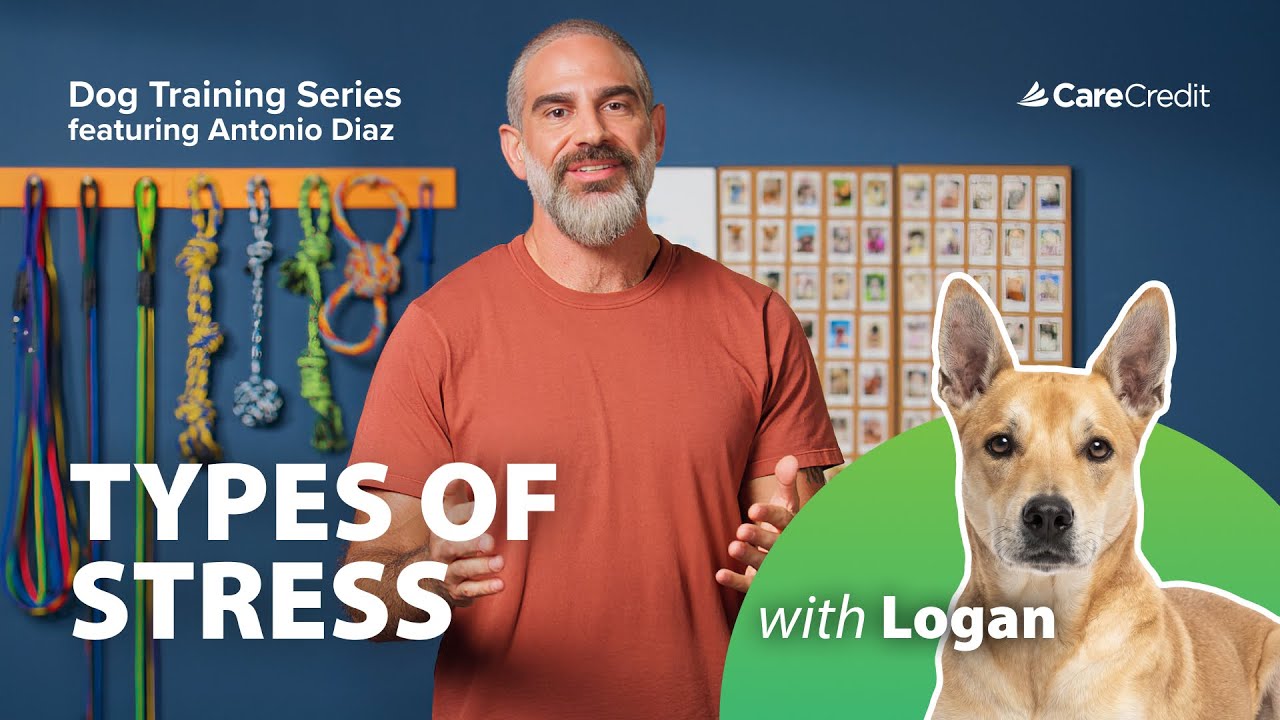
You may know from experience that too much stress can be detrimental to emotional and physical health. The same holds true for dogs, who can also experience stress and anxiety.
To help you recognize and reduce anxiety in your pup, here’s a look at common signs and causes of stress in dogs and strategies that may help you manage it.
Understanding Stress and Anxiety
Dogs can experience situational stress, which is a response to a specific event or situation that occurs in the present moment. This kind of stress is adaptive, meaning it’s helpful for your dog to be afraid in the face of legitimate danger.
When the threat isn’t actually a threat, stress becomes maladaptive, meaning it no longer serves a purpose and can cause harm. Ongoing stress in dogs can become anxiety, a state of constant worry or fear. Left unchecked, anxiety can lead to behavior problems and impact your pet’s quality of life.
Dogs can experience different types of anxiety, including age-related, fear-based and separation anxiety.
Age-related anxiety
Seen primarily in senior dogs, this type of anxiety is often linked to cognitive or sensory decline. Memory loss and changes in how your dog thinks, feels and interacts with the world as they age can cause confusion and increased anxiety.
Fear-based anxiety
Fear is a common cause of anxiety in dogs and can occur in many different contexts. Common causes of fear include:
- Loud noises, such as thunder or fireworks
- New environments
- Specific people, places or things
- Veterinary visits
Separation anxiety
Separation anxiety occurs when dogs who are left alone or separated from a specific family member struggle to cope. They may panic, become destructive, have accidents or vocalize excessively when their person leaves.
Just like people, too much stress can take away quality of life, and we want the best for our dogs.
Antonio Diaz
Professional Dog Trainer


13 Signs Your Dog May Be Stressed or Anxious
Your dog can’t tell you when they’re stressed, but they can and will show you, if you know what to look for. Stress can manifest as behavioral or physical changes, and some signs may be subtle and easy to overlook. Recognizing the warning signs can help you intervene before stress escalates into a more serious problem.
1. Hiding, cowering or shaking
Dogs might hide or cling to you when their environment seems unsafe, or cower and tremble in response to a noise or unknown person.
2. Whining, barking or vocalizing
Dogs usually vocalize to communicate a need or gain attention, but excessive or unusual noise-making can signal that your dog is overwhelmed by stress.
3. Irritability or aggression
Anxious dogs may lash out at other pets or people. Many times, aggression in dogs is a response to fear and stress, with the dog trying to scare away the very thing that’s scaring them.
4. Destroying objects or furniture
Chewing can be a great outlet for dogs with pent-up feelings or fears, but they may choose inappropriate objects to chew when anxious. Dogs with severe separation anxiety or noise phobias may become destructive as they try to escape.
5. Appetite changes
Many anxious and stressed dogs refuse to take treats, or they might quickly snatch them from your hand. Chronic stress may cause changes in appetite or weight.
6. Restlessness, lethargy or hyperactivity
Stress causes some dogs to panic, pace or have trouble settling down, while others might appear sad and lethargic.
7. Overgrooming, hair loss and shedding
High levels of stress hormones (e.g., cortisol) can cause hair loss and skin problems. Additionally, stressed dogs might lick objects or themselves to self-soothe during stressful times.
8. Lip-licking, yawning, sneezing or panting
When dogs exhibit behaviors out of context, called displacement behaviors, they are signaling discomfort with their current situation.
9. Whale eye
Dogs tend to keep a close eye on the people, pets or objects that cause them stress, but they also want to avoid direct eye contact or engagement with those stressors. Their solution is to turn their body away from the stressor while looking peripherally back at it, exposing the whites of their eyes.
10. Dilated pupils and rapid heart rate
Physical “fight or flight” changes can occur in response to stress or anxiety that help prepare your dog’s body to either fight or run away.
11. Diarrhea or vomiting
Stress can cause stomach upset in dogs, which is why nervous dogs might drool or appear nauseous in the moment, and then develop diarrhea shortly after.
12. Stiff or curled-up body posture
Happy dogs are loose and wiggly, while anxious or stressed dogs are stiff and uncertain. A stiff, upright body posture might mean a dog is ready to bite, while a lower or curled-up posture may mean the dog is trying to avoid the stressor.
13. Sensitivity to sound or touch
Have you noticed how everything seems more amplified when you’re stressed? The same is true for dogs, who might overreact during stressful events to noises or touches that don’t usually bother them.
Stress and anxiety that go on for a long time can have longer-term impacts on sleep, appetite, weight and general mood. They can also overlap with other health conditions, including chronic pain. Talk to your veterinarian if you notice these changes in your pet’s health.
Common Causes of Stress in Dogs
Some dogs are more easily stressed than others. They might be prone to stress or anxiety because of their genes or personality, lack of socialization as a puppy, negative past experiences or a combination of these factors.
Each dog’s stress and anxiety are different, but common triggers include:
- Boredom
- Changes in routine
- Changes to their environment
- Loud noises
- Moving, travel or construction
- Pain or illness
- Separation from companions
- Tension with other pets
- Unfamiliar people or pets
Addressing Signs of Stress in Dogs
If you notice signs of stress in your dog, decompression strategies you can use include:
- Building positive associations with stress-inducing people or places using treats and gradual exposure
- Creating a quiet retreat — filled with familiar bedding and favorite toys — where your dog can decompress
- Identifying and minimizing stressors whenever possible
- Maintaining a consistent daily routine, including exercise and playtime
- Providing mental enrichment with food puzzles, scent games, training exercises or slow-feeder bowls
- Talking to your veterinarian about calming supplements, prescription anti-anxiety medications or referral to a behavior specialist if needed
- Trying a pressure wrap, like a ThunderShirt®, to relieve physical tension
- Using a white noise machine, fan or music to soothe your pet and cover up outside noise
Tips for Managing Stress in Dogs
Avoiding or removing stressors is the best way to reduce stress, but that isn’t always practical. Here are some additional tips for managing stress and anxiety in dogs.
- Provide support. Be proactive when you anticipate major life changes, such as moving or introducing a new pet to your home. Consult with your veterinarian about stress-reduction strategies, such as calming supplements, anxiety wraps and pheromone diffusers.
- Redirect focus. Redirecting attention with simple commands your dog knows and enjoys can distract them and shift their mindset. Practicing commands such as sit, stay and touch — and providing tasty rewards — can help your dog feel grounded.
- Stay calm. Your dog takes cues from you. If you become tense or frustrated, they may also become anxious. Avoid punishing or scolding a stressed-out dog, as their actions are often out of their control.
- Talk to a professional. If your dog’s stress interferes with their quality of life or your bond, it may be time to seek professional help. Visit your veterinarian to rule out underlying or contributing medical issues and discuss medications that might help. A professional trainer or behaviorist can help you address your dog’s anxiety triggers over time.
Remember, the way that you handle your dog is directly related to how your dog feels and the stress that they may be experiencing.
Antonio Diaz
Professional Dog Trainer
Early Socialization to Prevent Stress
Well-socialized puppies tend to have less anxiety as adults and develop better skills for coping with stress. If you have a puppy, make a point to introduce them to as many people, pets, sounds, textures, places and situations as possible.
Keep interactions short and positive to make lasting associations and help your pup build confidence in navigating unfamiliar situations. A puppy socialization class is an excellent way to jump-start socialization and learn basic training skills that will set your pup up for success.
Low-Stress Living
Stress is nature’s way of protecting your dog from danger, but “fight or flight” is an overreaction to most situations in everyday life. Too much stress is harmful and maladaptive and can lead to bigger problems down the line for your pup. Early socialization to build healthy coping skills, as well as identifying signs of stress and taking action to mitigate them, can help your dog live a low-stress life.
Frequently Asked Questions About Stress in Dogs
Here are answers to a few commonly asked questions about stress and anxiety in dogs.

CareCredit Credit Card Financing for Dogs
Taking good care of your pet’s well-being from nose to tail is essential. Make sure to stay up to date on their regular checkups at the vet to help keep your pet happy and healthy for a lifetime of love. You can use your CareCredit credit card for pet care throughout the year for routine veterinary services as well as emergencies and surgeries.* Use our Acceptance Locator to find a veterinarian near you that accepts CareCredit.
CareCredit is there for you and your pet every step of the way; continue your wellness journey by downloading the CareCredit Mobile App to manage your account, find a provider on the go and easily access the Well U blog for more great articles, podcasts and videos.
In addition to pet care, you can also use your CareCredit credit card for dentistry, cosmetic, vision, hearing, health systems, dermatology, pharmacy purchases, spa treatments and so much more within the CareCredit network. How will you invest in your health and wellness next?
Featured Video Expert Bio
Antonio Diaz, founder of Leader of the Pack K9 Training, is a professional dog trainer and behavior expert with more than a decade of experience in rewards-based balanced training and behavior rehabilitation. Known for his clear communication and ability to simplify complex behavioral concepts, he helps owners develop well-mannered dogs through relationship-based leadership. As director of education for the International Association of Canine Professionals, Antonio helps shape industry standards, professional development and ethical training practices. He also creates online courses and serves as a canine subject matter expert for CareCredit.
Author Bio
Angela Beal, D.V.M., has more than 20 years of experience as a veterinarian. Leveraging her background in private practice and academia, she uses her passion for writing to convey information to pet owners to help them keep their pets healthy and happy.

Related Tags
Want to share this on social media?





 VIDEO
VIDEO
 ARTICLE