
 Search

Key Takeaways
- Hearing aids typically last three to seven years depending on several factors, including style and type.
- Cleaning your hearing aids daily and following a consistent maintenance routine can help maximize their longevity.
- Hearing aid technology continues to evolve, so it’s worth researching the latest features before considering an upgrade if your current devices no longer meet your hearing needs.
Hearing aids are a communication lifeline for about 7% of U.S. adults age 45 and older.1 However, this is only a fraction of the estimated 29 million people in the U.S. who could benefit from wearing them.2
The high cost of hearing aids is a barrier for many.3 Understanding how long they last can help you make a more informed decision about the investment. This article explores hearing aid longevity, the factors that affect lifespan and practical ways to get the most out of your devices.
What Is the Average Hearing Aid Lifespan?
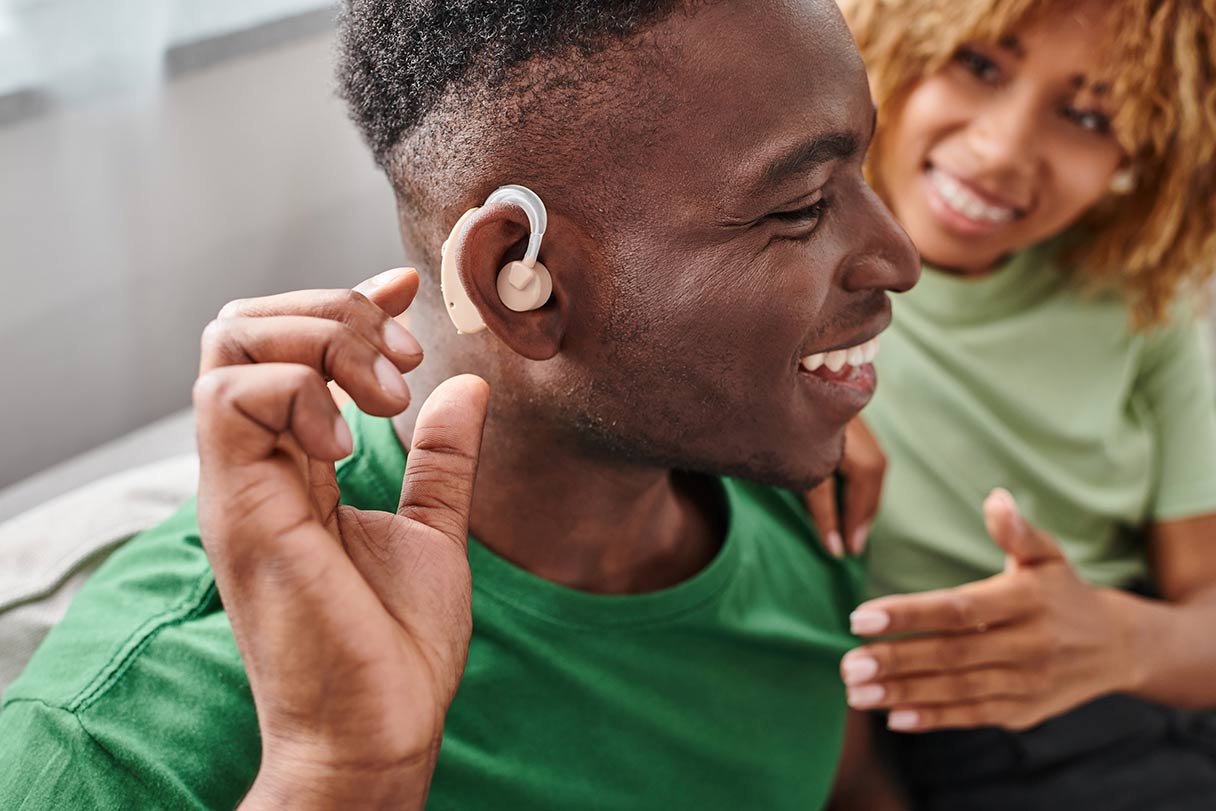
Hearing aids are the gold standard for people with hearing loss. They are small electronic devices that fit either inside or over your ear and use a microphone to capture and amplify sound waves to enhance hearing and improve communication.4
The lifespan of hearing aids is typically three to seven years, depending on type, quality of material and how well they are maintained.5 You may be able to use hearing aids for eight or even nine years. However, given rapid advances in hearing aid technology, you might want to upgrade sooner, as newer features and designs can improve your hearing experience and quality of life.6
Hearing Aid Types and How Long Each Lasts
Hearing aids vary in size, style and placement within or around the ear. These differences can affect not only comfort and performance but also how long the devices typically last.
Prescription hearing aids
There are several different types of prescription hearing aids, including behind-the-ear (BTE), in-the-ear (ITE), in-the-canal (ITC) and completely-in-canal (CIC).5
Overall, the lifespan of hearing aids averages around five years, but it can vary depending on the material they are made of and the number of electronic components they contain.5
Here’s how long, on average, different types of hearing aids may last:5
- BTE hearing aids. These contain a plastic shell that sits behind the ear with a tube or wire attached and tend to last five to seven years.
- ITE hearing aids. These contain a custom mold that sits comfortably in the outer ear and can last four to five years.
- ITC hearing aids. These are custom molded to the outer ear and ear canal and generally last three to five years.
- CIC hearing aids. These are custom molded to fit directly in the ear canal and typically last three to four years.
Over-the-counter hearing aids
Over-the-counter (OTC) hearing aids can be an affordable option for people over the age of 18 with mild to moderate hearing loss. They were approved as a hearing device by the FDA in 2022 and don’t require a prescription or a visit with an ear doctor.7
The average lifespan of OTC hearing aids is three to five years. While they are good for everyday use and can withstand typical wear and tear, they are not as durable as prescription hearing aids because they are made from more basic materials compared with high-grade materials. They are also less water resistant, often don’t come with regular professional care and adjustments, and aren’t intended for active lifestyles that expose them to demanding environments.8
What Impacts Hearing Aid Longevity?
In addition to gradual damage caused by exposure to moisture, earwax and dust, a handful of other factors can impact the longevity of hearing aids.5
Hearing aid maintenance and hearing aid cleaning
Cleaning your hearing aids daily is key to keeping them in tip-top shape. Since everyday use creates a buildup of earwax and other debris, sticking to a cleaning schedule can extend the lifespan of your hearing aids.9
Some tips for cleaning and maintenance include:9
- Storing them in a cool, dry place while not in use
- Wiping them down every night before bed
- Checking small openings for earwax
- Turning the hearing aids off at night
- Storing them in a dehumidifier case while you sleep
- Using a brush to clean out dust and debris
Quality of materials
The quality of manufacturing and materials used to make hearing aids play a crucial role in how long they last. Investing in name-brand hearing aids that have a history of longevity may help save you money in the long run.5
Prescription hearing aids are typically made with higher quality materials than OTC hearing aids and, subsequently, may last a bit longer. Therefore, durability may be one factor to consider when deciding which type of hearing aid best fits your needs.8
Lifestyle
Your day-to-day activities can also influence wear and tear. For example, if you have an active, outdoor-centric lifestyle, your hearing aids are more likely to accumulate dirt, dust and sweat, affecting their lifespan and durability.5
How Long Do Hearing Aid Batteries Last?
The battery is the central feature of all hearing aids, and its quality and lifespan can have a big impact on how often you need to get new hearing aids.10
Disposable hearing aid batteries
Disposable batteries, which are used in most hearing aids, may last three to 20 days. Some factors that affect the longevity of disposable batteries include:10
- The size of battery. Larger batteries generally provide longer battery life.
- The type of hearing aid. CIC hearing aid batteries tend to be smaller.
- How they are stored. Battery life may be reduced if batteries are exposed to moisture or extreme temperatures.
- Freshness. Check the battery expiration date before use.
- Daily habits. Conserving power, such as turning your hearing aids off when not in use, can help extend battery life.
- Handling. Use clean, dry hands when handling hearing aid batteries.
- Activation timing. Don’t remove the battery tab until you’re ready to use it.
Rechargeable hearing aid batteries
Rechargeable batteries, an option in more technologically advanced hearing aids, typically last four to five years. These tend to be more economical over time because they eliminate the need for frequent battery replacement.11
After a charge, the battery will last about 24 hours. To ensure the battery is always working, make sure you put your hearing aids into the charging station every night.10
Do Hearing Aids Drain Batteries When Not in Use?
Yes, hearing aid batteries can continue to lose power even when the devices are not in use. That’s why it’s important to always turn your hearing aids off when you remove them. For rechargeable batteries, place your hearing aids in the charging station when not in use.10
Here are a few tips to help extend the life of your hearing aid batteries:10
- Open the battery door before storing hearing aids.
- Don’t carry loose batteries, as metal objects like keys and coins can drain them.
- Always use the correct battery size for your hearing aids.
Keep in mind that advanced hearing aid features (such as Bluetooth, tinnitus relief and music streaming) can drain the battery faster.10
How Often Should I Get New Hearing Aids?
It’s generally a good idea to get a new pair of hearing aids at the end of the estimated life cycle. However, you may be able to stretch their use out for a couple of extra years depending on the type you have and how well they are maintained.6
On the other hand, hearing aids undergo technological advances about every three to five years, so upgrading to a new pair sooner might be beneficial.12
You may also need or want to replace your hearing aids based on:12
- Whether your insurance plan covers replacement hearing aids after a certain period
- Whether the manufacturer’s warranty is nearing expiration (many last about three years)
- The cost benefit of repairing vs. replacing damaged hearing aids6
- Changes in your hearing needs or hearing loss
- If you want a new style or type of hearing aids
- If your budget shifts
How Can I Tell If My Hearing Aids Are Wearing Out?
Hearing aids can make everyday communication easier for people with hearing loss, but wear and tear can eventually affect their performance — and it can be very frustrating when your hearing aids don’t work properly.13
It may be time to get new hearing aids if you notice the following signs of wear and tear:13
- The hearing aids are physically damaged
- Volume is not consistent
- You start to hear a whistling sound
- There is an excessive amount of earwax buildup
- The device turns off on its own
Making the Most of Your Hearing Aid Investment
Hearing aids are designed to provide years of reliable support, but their lifespan depends on factors such as device type, build quality, maintenance habits and everyday use. Understanding what affects longevity can help you protect your investment and recognize when repairs, replacement or an upgrade may make sense. By caring for your hearing aids properly and staying informed about new technology, you can continue getting the most value from your devices and your hearing care plan.
Financing Ear Care With the CareCredit Credit Card
The CareCredit credit card can help you pay for hearing care, including regular hearing tests, screenings and more.* Use our Acceptance Locator to find a hearing specialist near you that accepts CareCredit. Continue to invest in your wellness journey by downloading the CareCredit Mobile App to manage your account, find a provider on the go and easily access the Well U blog for more great articles, podcasts and videos.
In addition to hearing care, you can also use your CareCredit credit card for dentistry, cosmetic, pet care, vision, health systems, dermatology, pharmacy purchases, spa treatments and so much more within the CareCredit network. How will you invest in your health and wellness next?
Author Bio
Amy Isler, M.S.N., R.N., has more than a decade of nursing expertise. She combines her nursing experience and journalism background to create engaging and educational healthcare content for leading brands and publications, including GoodRx, Verywell Health, Vision Center and more. Her mission in writing is to provide positive, accurate and informative articles for consumers.

Related Tags
Want to share this on social media?





 ARTICLE