
 Search

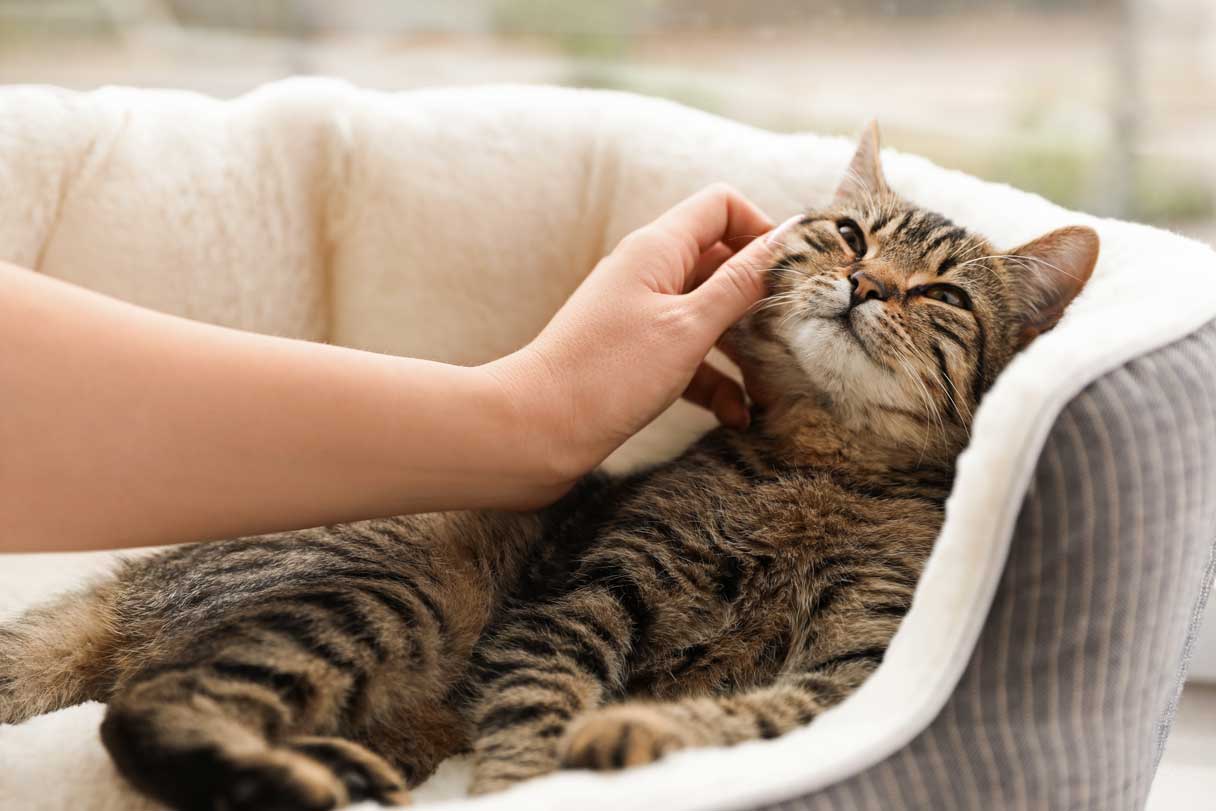
If your cat is expecting kittens, your emotions may range from excitement to concern. While watching your cat raise a family can be fun, you have their health to consider. You may also wonder how to tell if your cat is truly pregnant, and when to expect the kittens’ arrival. Knowing what to expect can help you support your pregnant cat and prepare for the arrival of a new litter of adorable kittens.
Pregnant Cat Overview
If your female cat is not spayed, she can become pregnant if she mates with an intact male cat while she is in heat.
How long are cats pregnant?
A cat's pregnancy typically lasts around 63 days, or nine weeks. During that time, the eggs fertilized during mating will develop from single cells into fully developed kittens. Most cats have between four and six kittens, but if this is your cat’s first pregnancy, she may have a smaller litter.
Stages of cat pregnancy
Much like a human pregnancy, a cat’s gestation period can be divided into three distinct stages, or trimesters:
- First trimester (one to 21 days). During this stage, it may be hard to tell that your kitty is pregnant. You might notice a slight increase in appetite and behavioral changes. You might also see a slight swelling of her belly and nipples, but this isn’t likely to be pronounced. In addition, some pregnant cats will experience morning sickness during this stage.
- Second trimester (22 to 42 days). Physical signs of pregnancy — such as an enlarged tummy, weight gain and swollen and darkened nipples — become more prominent. Any morning sickness your cat experiences should subside. This is a good time to take your cat to the vet for a pregnancy test or ultrasound to confirm her pregnancy.
- Third trimester (43 to 63 days). Your cat’s belly will become larger, making it hard to miss, and her appetite may increase. She may have sudden bursts of energy and excitement, and may start displaying nesting behaviors in preparation for the arrival of her kittens.
How to Tell if Your Cat Is Pregnant
Whether your intact cat got out of the house and mated or you planned to breed her, it’s helpful to know if she is actually pregnant. Cats don’t typically show signs of pregnancy for several weeks. However, as the pregnancy progresses, you may notice the following eight physical and behavioral changes that indicate your cat is carrying kittens.
Physical signs
Four physical changes that you may notice can include:
- Abdominal movement. About midway through your cat’s pregnancy, you may be able to feel kittens moving when you gently place your hand on her belly.
- Enlarged abdomen. Extra weight will center around your cat’s abdomen and will correlate to the size of the litter and stage of pregnancy. The more kittens your cat is carrying, the larger her abdomen will become.
- Enlarged mammary glands. Several weeks into pregnancy, your cat’s nipples may swell and pinken. As pregnancy progresses, her mammary glands will enlarge and eventually fill with milk.
- Weight gain. Just like human mothers, pregnant cats gain weight during pregnancy. If you weigh your cat, you may notice the scale reading increases.
Behavioral signs
Pregnant cats often exhibit behavioral changes, including these four:
- Increased affection. Some cats become more cuddly and affectionate when they are pregnant. If your cat is usually standoffish, you may enjoy this temporary period of tenderness.
- Increased appetite. Pregnant cats eat more to nourish their growing kittens. Veterinarians typically recommend feeding a pregnant cat a diet higher in fat and calories, such as a high-quality kitten food, and allowing her to eat as much as she wants.
- Nesting behavior. Near the end of pregnancy, a cat may gather nesting material, such as blankets and clothing, to create a comfortable area for giving birth.
- Sleeping more than usual. Pregnant cats may sleep more than normal, as pregnancy can be taxing and can increase their energy expenditure.
Occasionally, cats develop a false pregnancy due to abnormal hormone levels. They can display many physical and behavioral signs of pregnancy, such as abdominal enlargement and nesting behavior, without actually being pregnant. A veterinarian can distinguish between an actual pregnancy and a false pregnancy.
Does a Pregnant Cat Need to See a Vet?
The best way to confirm that your cat is pregnant is to schedule an appointment with your veterinarian. Tests your vet can perform to let you know if your cat is pregnant may include:
- Abdominal palpation. Your veterinarian may be able to palpate the developing kittens several weeks into the pregnancy by gently feeling your cat’s abdomen with their hands.
- Abdominal ultrasound. Ultrasound can be used to confirm pregnancy as early as three to four weeks. While ultrasound can confirm pregnancy, it can’t reliably be used to count the number of fetuses.
- X-rays. An abdominal X-ray can be taken after the kittens’ bones mineralize, which occurs around the sixth week of pregnancy. An X-ray is the best way to determine the number of kittens you may expect.
Based on your cat’s history, physical exam and imaging tests, your veterinarian can estimate how far along they are and when they will give birth.
Possible Complications of Cat Pregnancy
Although cats can develop issues during pregnancy, complications are rare. The most likely complication is dystocia, or difficulty giving birth. Dystocia can develop for many reasons, including an abnormally narrow pelvic canal, metabolic problems such as low calcium levels and systemic illness.
However, the most common cause of dystocia is uterine inertia, or weak uterine contractions during the birthing process. When complications occur, they can threaten the life of the kittens and the mother cat, so they are considered an emergency and require immediate veterinary attention.
How to Tell if Your Cat Is Ready to Deliver
Cats typically display signs of early labor about a week before they’re ready to give birth. These signs may include:
- Decreased rectal temperature
- Droplets of milk forming on the nipples
- Preparing a nesting spot
- Visible movement of the kittens
When it’s time to give birth, your kitty might display these signs:
- Bloody vaginal discharge (in the hours leading up to birth)
- Darkened and enlarged nipples
- Panting and pacing
- Lower body temperature (100 degrees Fahrenheit or less)
What to Expect During and After Delivery
If all goes well, it typically takes between 15 and 20 minutes for your cat to deliver each kitten. It’s not uncommon for some cats to take a break between delivering kittens, during which they may nurse the kittens that were already born, eat a bit of food and get some sleep. This resting stage can take up to 36 hours. If you’re concerned, you should reach out to your vet for advice.
Each kitten will be born covered with an amniotic sac, which the mother will remove by licking them. Her licking also stimulates the kittens to start breathing. She will also eat the placenta.
Once all the kittens have been delivered, it’s recommended to change their bedding. Take the mother and her kittens to see the vet within a week of delivery. If you are concerned or suspect a problem, take them in right away.
Possible Birthing Complications for Cats
While most cats can get through labor and delivery with very little help, some complications may occur. You should monitor the process and contact your emergency vet immediately if any of the following happens:
- A kitten doesn't begin to emerge after 10 minutes of intense straining.
- A kitten is not delivered after 20 minutes of intense labor.
- Your cat acts lethargic or depressed.
- Your cat bleeds from her vulva for more than 10 minutes.
- Your cat exhibits pain when you gently pull on a partially delivered kitten.
- Your cat has a temperature of more than 103 degrees Fahrenheit.
What Supplies Will I Need to Make My Pregnant Cat Comfortable?
Your cat may try to create her own space to give birth once her nesting instincts kick in. But you can help keep her and her kittens comfortable, safe and accessible by supplying a whelping bed — a designated area for giving birth and caring for newborns. This can be as simple as a cardboard box or basket lined with old sheets or towels. It’s recommended to place it in a spot where your cat can have some privacy, away from foot traffic, kids and other pets.
Keep plenty of clean towels on hand, along with a small gram scale for weighing the kittens.
If this is your first cat pregnancy, you might find it a little confusing and nerve-wracking, as well as exciting. However, knowing what to expect and planning for each stage of your cat's pregnancy and delivery will help reduce the chances of complications. This preparation will also enable you to care for and comfort your cat during a time that’s likely just as confusing to her.
Cost of a Cat Pregnancy
Most cats require only a little additional veterinary care during pregnancy. If you suspect your cat is pregnant, call your vet’s office to ask when they recommend bringing your cat in to ensure the pregnancy is progressing normally. The timing of the visit will depend on whether your vet recommends X-rays or an ultrasound to confirm pregnancy.
In addition to the cost of a vet visit, you’ll need to pay for X-rays or an ultrasound. The national average cost* of a cat ultrasound is $323, but it can range from $256 to $589.1 Below are the average costs* of a cat ultrasound by all 50 states and the District of Columbia.1
| State/District | Average cost |
|---|---|
| Alabama | $272 |
| Alaska | $387 |
| Arizona | $335 |
| Arkansas | $269 |
| California | $432 |
| Colorado | $327 |
| Connecticut | $348 |
| Delaware | $316 |
| District of Columbia | $442 |
| Florida | $317 |
| Georgia | $284 |
| Hawaii | $583 |
| Idaho | $317 |
| Illinois | $292 |
| Indiana | $278 |
| Iowa | $279 |
| Kansas | $267 |
| Kentucky | $289 |
| Louisiana | $285 |
| Maine | $338 |
| Maryland | $359 |
| Massachusetts | $449 |
| Michigan | $280 |
| Minnesota | $295 |
| Mississippi | $259 |
| Missouri | $276 |
| Montana | $319 |
| Nebraska | $290 |
| Nevada | $315 |
| New Hampshire | $349 |
| New Jersey | $357 |
| New Mexico | $290 |
| New York | $382 |
| North Carolina | $302 |
| North Dakota | $285 |
| Ohio | $293 |
| Oklahoma | $266 |
| Oregon | $345 |
| Pennsylvania | $297 |
| Rhode Island | $350 |
| South Carolina | $298 |
| South Dakota | $286 |
| Tennessee | $281 |
| Texas | $287 |
| Utah | $320 |
| Vermont | $354 |
| Virginia | $312 |
| Washington | $355 |
| West Virginia | $261 |
| Wisconsin | $300 |
| Wyoming | $296 |
Does Pet Insurance Cover Cat Pregnancy?
Most standard pet insurance policies don’t cover costs associated with pregnancy. However, some insurance companies may offer an add-on that covers costs related to breeding and pregnancy. If you plan to breed your cat, read your policy carefully to determine whether pregnancy-related costs will be covered.
Supporting Your Cat Through a Healthy Pregnancy
Watching your cat prepare for motherhood can be heartwarming and rewarding. By learning the signs of cat pregnancy and knowing when to seek veterinary care, you can help ensure a smooth and healthy experience for your cat and her kittens. With proper preparation and support, you can be ready to welcome each tiny bundle of fur into your home.
Frequently Asked Questions About Pregnancy in Cats
If your cat is pregnant, you may have additional questions. Here are answers to some commonly asked questions pet owners ask about cat pregnancies.

CareCredit Credit Card Financing for Cats
The CareCredit credit card is an easy way to pay for your cat’s annual checkups, food and products at veterinary practices in the CareCredit network.** Use our Acceptance Locator to find a veterinarian near you that accepts CareCredit to help keep your pet healthy and happy for a lifetime of love. CareCredit is there for you and your pet every step of the way; continue your wellness journey by downloading the CareCredit Mobile App to manage your account, find a provider on the go and easily access the Well U blog for more great articles, podcasts and videos.
In addition to pet care, you can also use your CareCredit credit card for dentistry, cosmetic, vision, hearing, health systems, dermatology, pharmacy purchases, spa treatments and so much more within the CareCredit network. How will you invest in your health and wellness next?
Author Bio
Angela Beal, D.V.M., has more than 20 years of experience as a veterinarian. Leveraging her background in private practice and academia, she uses her passion for writing to convey information to pet owners to help them keep their pets healthy and happy.

Related Tags
Want to share this on social media?





 ARTICLE