 Search
Dealing with your dog’s diarrhea is never fun, but when a parasite causes the issue, you may also have to worry about other pets getting sick. Coccidia is a microscopic protozoan parasite that can infect a dog’s gastrointestinal tract. While healthy adult dogs typically don’t get sick from this infection, puppies are commonly affected. Keep reading to learn things you may want to know about this parasite in dogs.
What Is Coccidiosis in Dogs?
Coccidiosis is an intestinal tract infection caused by a single-celled organism called coccidia. The protozoan is not visible to the naked eye, unlike other intestinal parasites, such as roundworms, that you can see in your dog’s feces.
The most common species of coccidia affecting dogs is Cystoisospora. While coccidiosis can affect many animals, coccidia are host-specific, meaning dogs can only infect other dogs. According to the Companion Animal Parasite Council (CAPC), coccidia are present in up to 38% of dogs in North America.1
How Do Dogs Get Coccidiosis?
Dogs are infected when they ingest an immature form of coccidia called an oocyst. Infected dogs pass oocysts in their feces, and they can survive in the environment for up to a year or more.2 Once in the environment, the oocysts mature and become infective in 12 to 36 hours.
Infection typically occurs when a dog licks a contaminated surface, sniffs or eats feces, drinks from a contaminated water source or grooms themself after contact with a contaminated environment.
Dogs can also be infected by eating a mouse, fly, cockroach or other animal or insect that carries oocysts. After ingestion, the oocysts invade the cells lining the intestinal wall and multiply, causing damage to these cells.
What Are Symptoms of Coccidiosis in Dogs?
Healthy adult dogs who are infected with coccidia often don’t have symptoms, but they can still pass the oocysts in their feces and contaminate the environment. Due to their underdeveloped immune system, puppies are more likely to be affected by coccidiosis.
The infection can cause signs such as:
- Dehydration
- Diarrhea, possibly with blood or mucous
- Lack of appetite
- Lethargy
- Vomiting
- Weight loss
How Is Coccidiosis in Dogs Diagnosed?
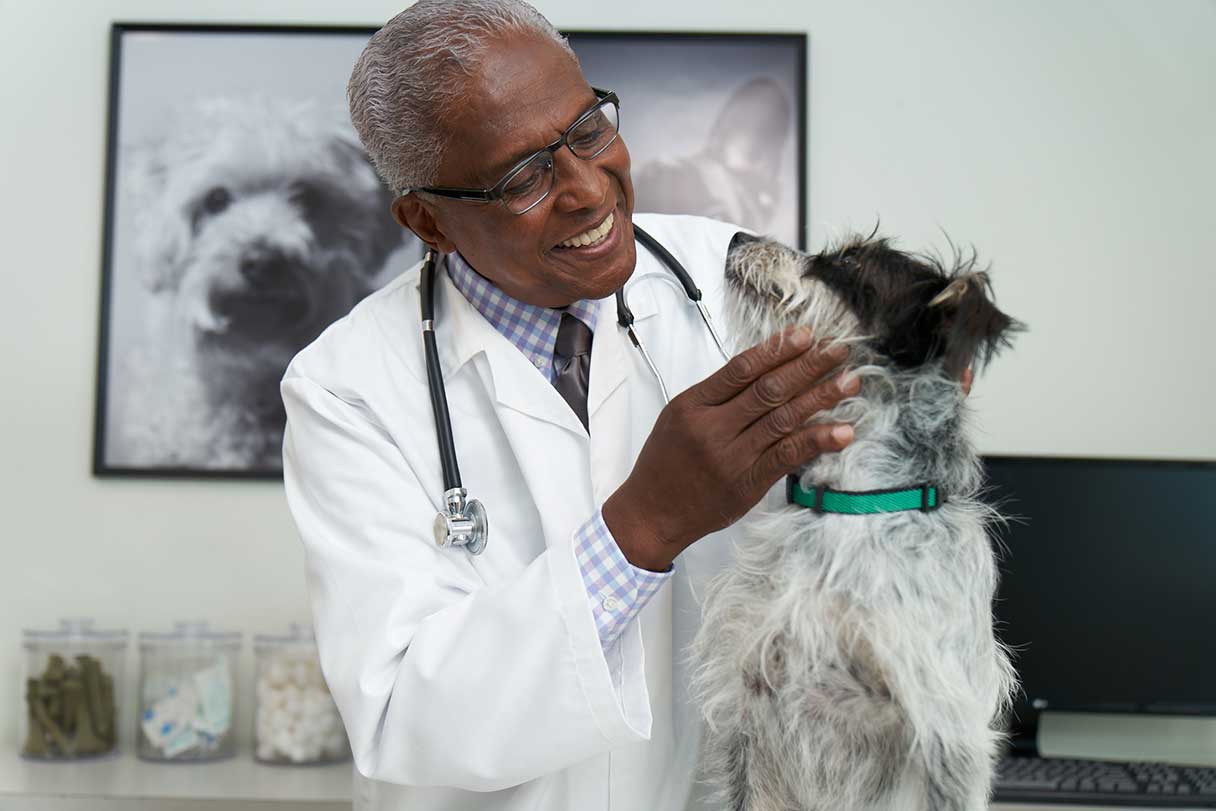
Your veterinarian may suspect that your dog has coccidiosis based on their history and clinical signs. To confirm the diagnosis, they will likely perform a fecal flotation test by mixing a small sample of feces with a special solution that causes the coccidia oocysts to float to the surface. They can then be collected on a slide and examined under a microscope.
Early in infection, oocysts may not be present, and your veterinarian may request multiple fecal samples over several days to confirm a coccidiosis diagnosis.
The national average cost* for a fecal test in the United States is $56.3 In some cases, fecal antigen testing or polymerase chain reaction (PCR) testing may be used to increase accuracy.
Treating Coccidiosis in Dogs
Coccidiosis infections in adult dogs that don’t have symptoms typically don’t require treatment. Treatment for dogs with clinical signs involves eliminating the parasite, providing supportive care to manage the symptoms and preventing reinfection.
Antiprotozoal medications
Unfortunately, routine parasite prevention medications commonly given to dogs don’t target coccidia. Sulfadimethoxine is the only treatment approved by the U.S. Food and Drug Administration (FDA) for coccidiosis in dogs. This medication interferes with the parasite’s ability to reproduce.
Supportive care
Diarrhea can be a serious condition for puppies or immunocompromised dogs, and supportive treatment may be necessary to prevent dehydration and promote intestinal health. This may include:
- Antinausea medication. Medications may be used to prevent nausea and vomiting.
- Fluids. Oral, subcutaneous or intravenous (IV) fluids may be needed to avoid dehydration.
- Nutritional support. Your veterinarian may recommend a bland diet to maintain nutrition.
- Probiotics. Probiotics can also be helpful to support gut health during and after treatment.
Reinfection prevention
Reinfection from the environment can be common, so disinfection is important. Tips to prevent this reinfection can include:
- Bathing your dog after their last treatment
- Removing and disposing of feces promptly
- Disinfecting your dog’s environment by steam cleaning or using a diluted chlorine bleach solution (one cup of bleach mixed with one gallon of water)
The cost for treatment depends on the severity of your dog’s condition and which medications are used. The average cost* for treating canine diarrhea ranges from $185 (for mild diarrhea) to $1,455 (for severe diarrhea).3 Your veterinarian may recommend rechecking your dog’s fecal samples after treatment to ensure the infection is cleared.
Preventing Coccidiosis in Your Dog
Because coccidia oocysts are shed in the feces and remain in the environment, prevention involves environmental control and routine health practices, including:
- Avoiding high-risk settings. Dogs are more likely to become infected when they are in close proximity to other dogs. Avoid overcrowded kennels and dog parks, especially if you have a puppy.
- Avoiding sharing. Consider discouraging your dog from drinking from communal water sources.
- Preventing predatory behavior. Ensure your dog doesn’t eat rodents or other wild animals.
- Regular screening. Routine fecal exams performed during wellness visits are important for detecting parasites.
- Strict sanitation. Remove feces from your yard frequently and clean your dog’s crate often.
Keeping Your Pup Healthy Through Prevention
Coccidiosis can be a serious condition, especially for vulnerable puppies, but you can take steps to help prevent this parasitic infection from affecting your dog. Cleaning up after your dog and following your veterinarian’s recommendations concerning screening are great ways to protect your pup.
Frequently Asked Questions About Coccidiosis in Dogs
Do you have additional questions about coccidiosis in dogs? Here are answers to questions pet owners frequently ask about this condition.
CareCredit Credit Card Financing for Dogs
The CareCredit credit card provides a convenient way to pay for your dog’s vaccinations and other health and wellness expenses, including exams, medications and products at providers in the CareCredit network.** Continue your wellness journey by downloading the CareCredit Mobile App. You can find a provider on the go, manage your CareCredit account and easily access the Well U blog for more great articles, podcasts and videos. Use our Acceptance Locator to find a veterinarian that accepts CareCredit to help keep your pet healthy and happy for a lifetime of love.
In addition to pet care, you can also use your CareCredit credit card for dentistry, cosmetic, vision, hearing, health systems, dermatology, pharmacy purchases, spa treatments and so much more within the CareCredit network. How will you invest in your health and wellness next?
Author Bio
Jenny Alonge, D.V.M., has 17 years of experience as a veterinarian specializing in equine medicine and surgery. She blends her clinical background and writing expertise to produce veterinary content that is engaging and informative.


Related Tags
Want to share this on social media?





 ARTICLE