 Search
While cats can enjoy some human foods, it’s important to remember that their nutritional needs are unique. What’s safe for you isn’t always ideal for your feline friend, and many cats are finicky eaters. However, for cats with an adventurous appetite, there are plenty of safe human foods they can eat in moderation.
So, what human foods can cats eat? Here's what you may want to know about safe human food for cats.
Safe Proteins for Cats
Cats enjoy the taste of most animal-based proteins, most notably fish and chicken. And because cats are carnivores, they can easily digest most proteins. Remember to cook all proteins, as raw meat can harbor bacteria, and avoid seasonings or oils that make these foods less healthy. Here are examples of safe, protein-based human food for cats.
1. Fish
Cod, haddock, salmon, sardines, tuna and tilapia are safe for cats when fully cooked and free of bones. Fish is high in protein and contains beneficial omega-3 fatty acids, which can help support skin and coat health and reduce inflammation. When feeding tuna, choose canned tuna in water rather than oil.
2. Chicken and turkey
Chicken and turkey are lean, easily digestible proteins often used in bland diets for cats with gastrointestinal (GI) upset. Boiled, baked or grilled chicken or turkey breast without skin, seasonings or bones is a safe treat in moderation. Stick to white meat, as fatty meats may cause digestive upset.
3. Red meat
Can cats eat steak? Plain, lean beef or pork is a safe and healthy food for your cat in small amounts. Trim visible fat and avoid highly processed or seasoned products, such as premade hamburger patties or sausages. If you’re cooking the meat yourself, avoid adding any spices or oils during cooking.
4. Liver
Liver is rich in nutrients like vitamin A, iron and B vitamins. While beneficial in small quantities, too much liver can upset the balance of vitamins in a cat’s diet and lead to vitamin A toxicity, since this vitamin can build up in the body (unlike B vitamins, which are easily eliminated). Offer liver only as an occasional treat.
5. Eggs
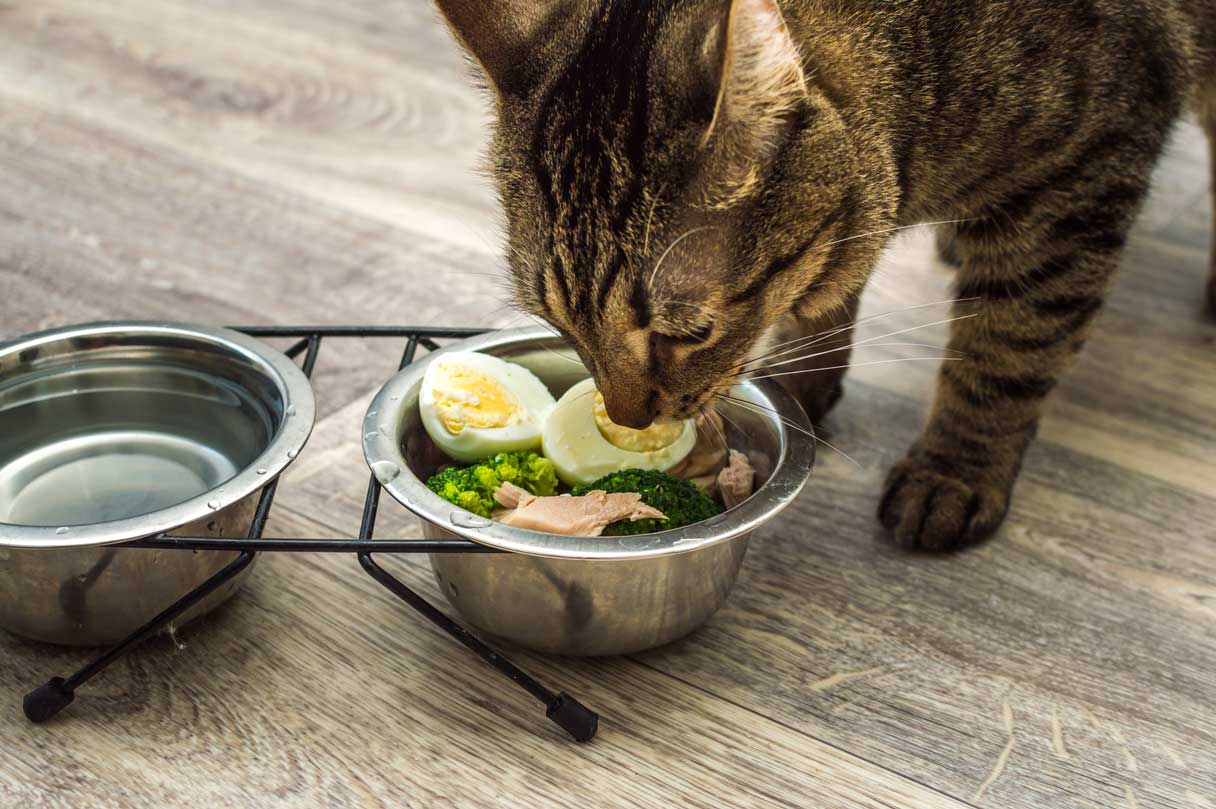
Cooked eggs are a tasty, protein-rich addition to a cat's diet. Any preparation method is acceptable as long as the egg is cooked and no oil or spices are added. Raw eggs may contain harmful Salmonella bacteria and can interfere with biotin absorption, so cooking is best.
Safe Vegetables for Cats
Vegetables offer fiber, antioxidants and gentle digestive support for cats. Although cats are natural carnivores, veggies are sometimes added to commercial cat diets, and some cats also enjoy them as an occasional snack. Vegetables should be cooked and served plain (unseasoned) to aid digestion.
6. Carrots
Carrots are rich in beta-carotene and make for a colorful, starchy snack. Try adding cooked, chopped carrots to your cat’s food.
7. Pumpkin
Plain pumpkin contains soluble fiber, which can help ease constipation or diarrhea. Look for unsweetened, plain canned pumpkin and avoid picking up pumpkin pie filling by mistake. When pumpkins are in season, you can also cook and mash the vegetable yourself.
8. Broccoli
Can cats have broccoli? Green veggies are packed with nutrients but may have a bitter taste. If your cat enjoys broccoli, offer it in small amounts and ensure it is cooked thoroughly. Broccoli is notorious for causing gas in all species, which can be painful if you feed too much.
9. Green beans
Green beans are filling and low in calories, making them a popular choice to help pets feel fuller on a weight-loss diet. Whether you start with fresh, frozen or low-sodium canned green beans, offer them cooked and cut into small pieces.
10. Peas
Peas are commonly found in commercial cat food to help balance the meat in a diet with healthy carbohydrates, plant-based proteins and fiber. An easy way to feed this vegetable to your cat is to steam plain, frozen peas.
11. Spinach
Spinach is high in iron, fiber and antioxidants. While it may be safe in small amounts for some cats, it contains compounds called oxalates, which may contribute to bladder or kidney stones. Because of this, it’s recommended you feed spinach only as a very occasional treat and avoid it in cats with a history of urinary issues.
Safe Fruits for Cats
Most cats avoid fruit because they are not strongly attracted to sweet tastes. However, some cats seem to enjoy certain sweet foods, like fruit, for their texture, out of curiosity or because of other taste preferences we don’t yet understand. If your cat enjoys fruit, small amounts can be healthy as they contain water, vitamin C and fiber. Here are a few fruit options that are safe for cats.
12. Apple
Sliced, peeled apple is a tasty treat for cats. Stay away from the seeds and core, which contain small amounts of compounds that produce cyanide when chewed. Poisoning from seeds is uncommon, but it’s best to avoid them to be on the safe side.
13. Bananas
Bananas are rich in healthy potassium and fiber, but they also contain a lot of sugar. Small pieces can provide a tasty treat with a fun texture for cats, but too much may cause digestive upset.
14. Blueberries
Blueberries are known for their high antioxidant content, which can help boost your cat's immune system. They’re also a fun shape that cats can bat and chase before eating. Try offering one or two washed berries as a treat.
15. Raspberry
Raspberries are packed with fiber and antioxidants. They naturally contain trace amounts of xylitol, a sugar alcohol that is harmful to dogs, but it doesn’t seem to cause an issue in cats. A few raspberries can be a safe treat for cats.
16. Watermelon
Watermelon is mostly water and can be a refreshing treat on a hot day for cats who enjoy it. As with apples, remove seeds and the rind before offering this treat in bite-sized chunks.
17. Other fruits
Many other fruits are safe for cats, provided you offer them in small amounts and avoid seeds, skins and pits. Grapes and raisins are not safe because they contain a kidney-toxic compound called tartaric acid. Additionally, citrus fruits contain oils and chemicals that can irritate a cat’s senses and digestion.
Safe Grains and Dairy for Cats
Cats don’t need grains or dairy in their diet, but some tolerate them well and may enjoy them as an occasional treat. Many commercial pet foods rely on grains to help create a nutritionally-balanced recipe with nutrient- and energy-packed carbohydrates and fiber. Here are examples of cat-friendly foods in this category.
18. Cheese
Can cats have dairy? Some cats love cheese, and all varieties are safe in small amounts. However, many adult cats are lactose intolerant, so cheese and other dairy products could upset their GI tract. Start with only a bite-sized portion to test your cat’s tolerance.
19. Oatmeal
Plain, cooked oatmeal is a gentle, easily digestible ingredient that also offers fiber, B vitamins and iron. Serve oatmeal as an adjunct to regular cat food to add fiber or ease digestion. Use plain oats that come in a cardboard canister, not premade, sweetened packets.
20. Bread
Raw dough is harmful to cats because it can ferment or rise in the stomach, leading to alcohol intoxication or a blockage. However, cooked bread is safe for cats. Some cats enjoy the texture and taste of bread, but its highly processed nature means it’s less nutritious than the whole foods and unprocessed grains on this list.
21. Other grains
Plain, cooked grains like rice or barley are helpful additions to a diet lacking in fiber or energy. Your cat’s diet likely already contains enough healthy grains, but like oats, you may choose to mix a small amount into their food to help add fiber for cats with digestive problems. Always consult your veterinarian before changing your cat’s diet.
Guidelines for Feeding Human Food to Cats
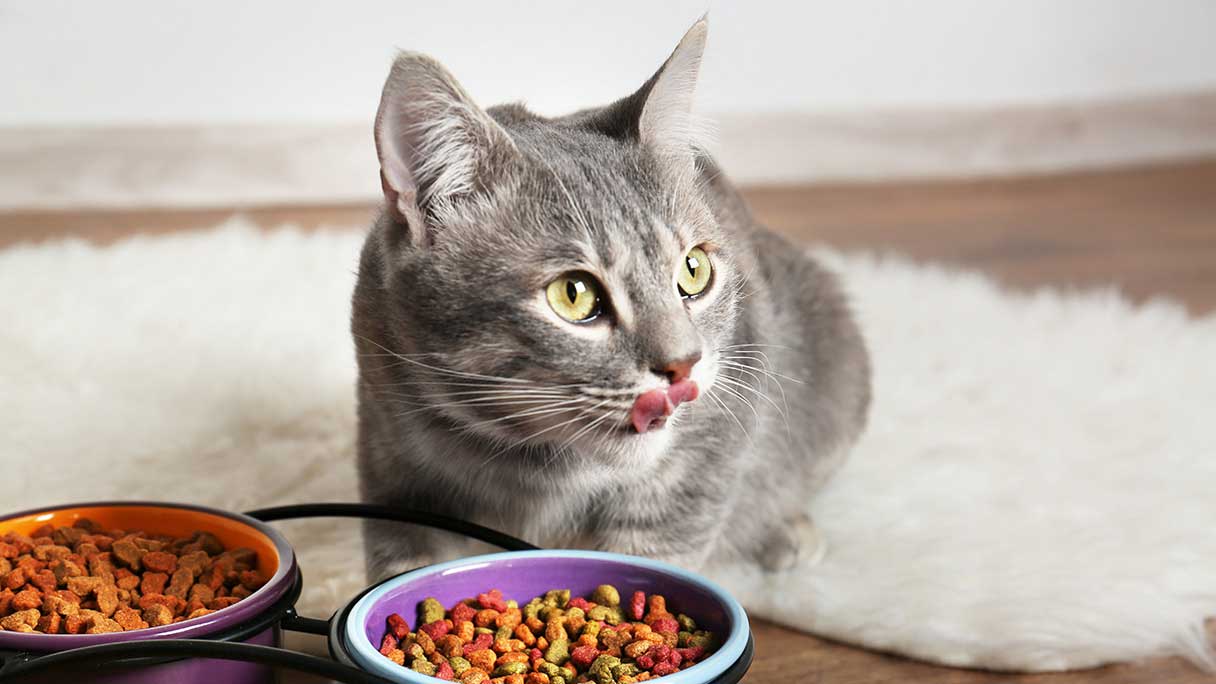
Cats are obligate carnivores, which means their digestive systems and nutritional needs differ significantly from ours. Feeding a quality commercial cat food labeled as nutritionally complete or meeting standards set by the Association of American Feed Control Officials (AAFCO) is a surefire way to ensure your cat gets everything they need.
Although cats are generally pickier eaters than dogs, some felines enjoy eating human foods as treats. Here are some general guidelines to follow if you decide to offer these foods to your cat:
- Avoid toxic foods. Some common human foods are toxic to cats, even in small amounts. These include onions, garlic, grapes, chocolate, alcohol and caffeine. You can avoid these toxins by sticking to the safe foods on our list.
- Introduce new foods slowly. Cats adapt to their regular diets, and sudden changes can cause digestive upset. When offering something new, start with small amounts and watch for issues or changes. If your cat has a sensitive stomach, keep treats and human foods to a minimum.
- Prepare food properly. Cook vegetables and grains to make them more digestible for your cat, but avoid using oils or seasonings. These can add fat and calories and potentially expose your cat to toxic ingredients, such as garlic or onion powder.
- Stick to the 10% rule. Moderation is key when providing human food for cats. Even healthy foods can throw off an otherwise balanced diet if you feed too much. To avoid upsetting your cat’s regular diet, limit human food and other treats to 10% of your cat’s daily calories.
What to Do if Your Cat Eats Unsafe Human Food
Cats are curious by nature, and sometimes that curiosity leads them to eat foods they shouldn’t. If you suspect your cat has eaten something toxic or otherwise questionable, call your veterinarian or the ASPCA Animal Poison Control Center.
Toxicities in cats are typically caused by plants or chemicals in the environment, rather than toxic human food. However, human foods can cause issues unrelated to toxicity, such as pancreatitis from high-fat treats, diarrhea from too much fiber or digestive upset from eating a new food.
If you aren’t sure whether a specific food is safe for your cat or if you should change their diet, contact your veterinarian. If your cat seems to enjoy certain foods a little too much, try offering alternative ways to bond or reward, like playing, brushing, or petting.
Human Food for Cats: Moderation and Safety
Cats may be carnivores, but many develop a taste for human food and can enjoy treats safely in moderation. Like when feeding other members of your family, stick to fresh, whole-food ingredients and prepare them using safe cooking techniques. When in doubt about your cat’s nutritional needs or preferences, consult your veterinarian to ensure the long-term health of your feline friend.
CareCredit Credit Card Financing for Cats
The CareCredit credit card is an easy way to pay for your cat’s annual checkups, food and products at veterinary practices in the CareCredit network.* Use our Acceptance Locator to find a veterinarian near you that accepts CareCredit to help keep your pet healthy and happy for a lifetime of love. CareCredit is there for you and your pet every step of the way; continue your wellness journey by downloading the CareCredit Mobile App to manage your account, find a provider on the go and easily access the Well U blog for more great articles, podcasts and videos.
In addition to pet care, you can also use your CareCredit credit card for dentistry, cosmetic, vision, hearing, health systems, dermatology, pharmacy purchases, spa treatments and so much more within the CareCredit network. How will you invest in your health and wellness next?
Author Bio
Angela Beal, D.V.M., has more than 20 years of experience as a veterinarian. Leveraging her background in private practice and academia, she uses her writing to provide veterinarians with strategies for making practice life more efficient and less stressful.

Related Tags
Want to share this on social media?





 ARTICLE