 Search
As a dog owner, you’ve probably witnessed the occasional bout of diarrhea. While it’s often due to something simple — like your dog eating something they shouldn’t — it can also signal an underlying health issue. One possible cause is irritable bowel syndrome (IBS), which accounts for an estimated 10% to 15% of large-intestinal diarrhea cases in dogs.1 IBS isn’t life-threatening, but it can cause recurring discomfort and affect your dog’s overall quality of life.
What Is Irritable Bowel Syndrome in Dogs?
IBS is a condition that causes chronic or recurring gastrointestinal (GI) problems with no identifiable structural or infectious cause. Dog owners may confuse IBS with inflammatory bowel disease (IBD), a condition in which inflammatory cells invade the intestinal lining, thickening the structure and reducing its ability to absorb nutrients properly.
In contrast, IBS is considered a psychosomatic disorder and is triggered by factors such as stress and anxiety rather than physical damage to the intestines. While both conditions cause similar symptoms, the triggers that lead to physical signs differ.
Common causes
IBS in dogs doesn’t have one clear cause, but several contributing factors are believed to play a role, including:
- A complex interaction between the GI tract, brain and immune system
- Abnormal gut motility
- Heightened sensitivity of the digestive tract
- Lack of visible inflammation or structural intestinal damage (unlike infections, parasites, food allergies or IBD)
Common triggers
Certain stressors or changes can provoke flare-ups in dogs that are prone to IBS, like:
- Changes in routine
- Dietary indiscretion (e.g., getting into the trash)
- Genetic predisposition
- Loud noises
- Previous illness
- Stress and anxiety
- Sudden dietary changes
- Underlying GI hypersensitivity
- Vet visits or boarding
Signs and symptoms
Dogs with IBS typically experience mild to severe intermittent digestive upset, often triggered by stress, anxiety or excitement. Common signs include:
- Abdominal discomfort (e.g., whining, restlessness, hunched posture)
- Gas or bloating
- Intermittent diarrhea (often with mucous)
- Nausea, lip-licking or occasional vomiting
- Reduced appetite
- Soft or inconsistent stools
- Staining during bowel movements
- Urgency to defecate
Between flare-ups, dogs with IBS typically act normally, which can help differentiate the condition from other health problems.
Another important distinction is a lack of fresh blood in the feces, which is commonly seen in cases of large intestinal diarrhea caused by other conditions. If your dog’s feces contains blood, the cause is likely physical — such as colitis, an infection or an injury — rather than a psychosomatic condition such as IBS.
Diagnosis
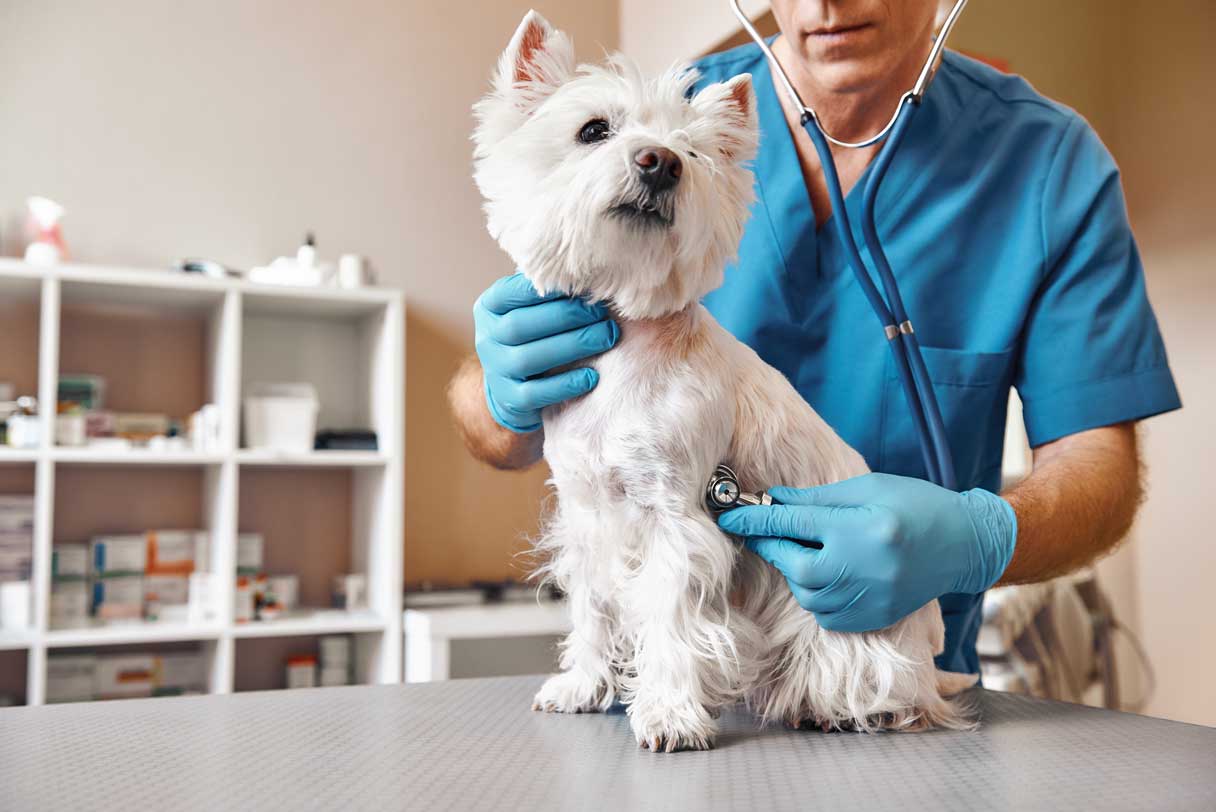
Unfortunately, diagnosing IBS in dogs isn’t straightforward. The signs mirror those of other diseases, and there is no test for the condition. Instead, IBS is a diagnosis of exclusion, which means your veterinarian must first rule out other potential causes for your dog’s symptoms.
After taking a thorough history and performing a physical exam, your veterinarian may recommend diagnostics such as:
- Blood work to assess organ function and rule out systemic illness
- Diet trials to identify food sensitivities
- Fecal test to check for parasites, bacteria or viruses
- Imaging (e.g., X-rays, ultrasound) to check for structural problems, tumors, blockages and abnormal intestinal movement
- Intestinal biopsy
If these tests don’t identify a culprit for your dog’s GI upset and they continue to experience issues, your veterinarian may diagnose IBS based on your dog’s history, symptoms and response to treatment. Keeping a detailed log of your dog’s symptoms, diet and environment can help your vet identify patterns and possible triggers.
How to Treat IBS in Dogs
IBS management focuses on identifying triggers, easing symptoms and promoting overall gut health. Since IBS is often linked to stress and GI sensitivity, treatment typically involves a multi-tiered approach including dietary changes, stress reduction and medications or supplements.
Dietary management
Dogs with IBS often benefit from a specialized diet with easily digestible ingredients and increased dietary fiber to help decrease large intestinal muscle spasms. Some dogs may also benefit from a limited-ingredient or hypoallergenic food. Your veterinarian may recommend a diet trial to determine the best food for your pup. Keeping meals consistent and avoiding table scraps or sudden diet changes can also help prevent flares.
Stress reduction
IBS flares are commonly caused by stress, and identifying your dog’s triggers is essential to managing their condition. You can also support a low-stress routine by:
- Maintaining a predictable daily routine
- Providing regular exercise and mental enrichment
- Considering behavioral therapy
Medications and supplements
Certain medications or supplements may help treat flares or provide long-term control of your dog’s IBS symptoms. Potential treatments include:
- Antispasmodics or antidiarrheals for cramping and loose stool
- Calming supplements or anti-anxiety medications to manage stress
- Digestive enzymes to improve nutrient absorption
- Probiotics or prebiotics to support a healthy gut microbiome
Consult your veterinarian before giving your dog any over-the-counter or prescription medication, because some may be harmful.
How Much Does It Cost to Treat a Dog's IBS?
The cost to treat IBS in dogs depends on several factors, including the severity of your dog’s condition and what treatment plan your veterinarian prescribes. The national average cost* of treating diarrhea in dogs ranges from $147 to $2,648, depending on the severity.2
Tips to Prevent IBS in Your Dog
There is no guaranteed prevention for IBS, but you can take proactive steps to support your dog’s overall digestive health and help reduce their risk of flare-ups. Prevention may include:
Avoid dietary changes
Stick to a consistent, high-quality diet tailored to your dog’s needs, and avoid feeding them table scraps. When introducing a new food, do so gradually over seven to 10 days.
Minimize stress
Help make your dog’s life as stress-free as possible by:
- Avoiding situations that trigger anxiety
- Ensuring they have a quiet space to retreat during stressful events
- Keeping a predictable routine
- Providing appropriate mental and physical exercise
- Using calming pheromone diffusers
Monitor your dog closely
Watch for changes in bowel habits or signs of discomfort. Identifying early warning signs can help you intervene before symptoms worsen. Keeping a journal is also a good idea because it can help you identify patterns linked to certain foods, activities or stressors, allowing you to make adjustments.
Helping Your Dog Live Comfortably With Irritable Bowel Syndrome
IBS is a frustrating condition, but when managed appropriately, you can lessen the effects on your canine companion. With consistent nutrition, stress reduction and close communication with your veterinarian, your dog can likely live comfortably and experience few flare-ups.
Frequently Asked Questions About Irritable Bowel Syndrome in Dogs
Do you still have questions about IBS in dogs? Here are answers to some common questions from pet owners.

Financing IBS With the CareCredit Credit Card
Your dog is your best friend, and you want to make sure they get the very best. That’s why the CareCredit credit card is here to help manage the costs of diagnostics and treatment for conditions like irritable bowel syndrome.** Use our Acceptance Locator to find a veterinarian near you that accepts CareCredit. CareCredit is there for you and your pet every step of the way; continue your wellness journey by downloading the CareCredit Mobile App to manage your account, find a provider on the go and easily access the Well U blog for more great articles, podcasts and videos.
In addition to pet care, you can also use your CareCredit credit card for dentistry, cosmetic, vision, hearing, healthy systems, dermatology, pharmacy purchases, spa treatments and so much more within the CareCredit network. How will you invest in your health and wellness next?
Author Bio
Jenny Alonge, D.V.M., has 17 years of experience as a veterinarian specializing in equine medicine and surgery. She blends her clinical background and writing expertise to produce veterinary content that is engaging and informative.

Related Tags
Want to share this on social media?





 ARTICLE