 Search


Key Takeaways
- The national average cost of a bone density scan is $235, but it can range from $182 to $411, depending on location and facility type.
- A bone density scan is a quick, non-invasive test that uses X-ray technology to measure the amount of calcium and other minerals in your bones.
- The CareCredit credit card can help you finance a bone density scan and pay over time with convenient monthly payments.*
Bone health can change with age, often without obvious symptoms. In fact, about 54 million Americans have osteoporosis or osteopenia (low bone density), conditions that can make bones weaker and more likely to break.1
A bone density test is a non-invasive scan that measures bone mineral density and can help detect osteoporosis and osteopenia. Doctors may also use the results to inform treatment decisions and monitor changes in bone health over time.2
This article explores the cost of a bone density scan, when one may be recommended and what may expect before, during and after the procedure.
What Is a Bone Density Scan?
A bone density scan, also called a DEXA scan, uses a small amount of ionizing radiation (similar to an X-ray) to take a picture of your hips, spine and other areas to measure the amount of calcium and other minerals in your bones. The more minerals your bones have, the stronger they are.3
A bone density test may be used to help physicians:3
- Diagnose osteoporosis or osteopenia
- Estimate the likelihood of future bone fractures
- Establish a baseline for monitoring changes in bone density over time
- Monitor how well osteoporosis treatment is working
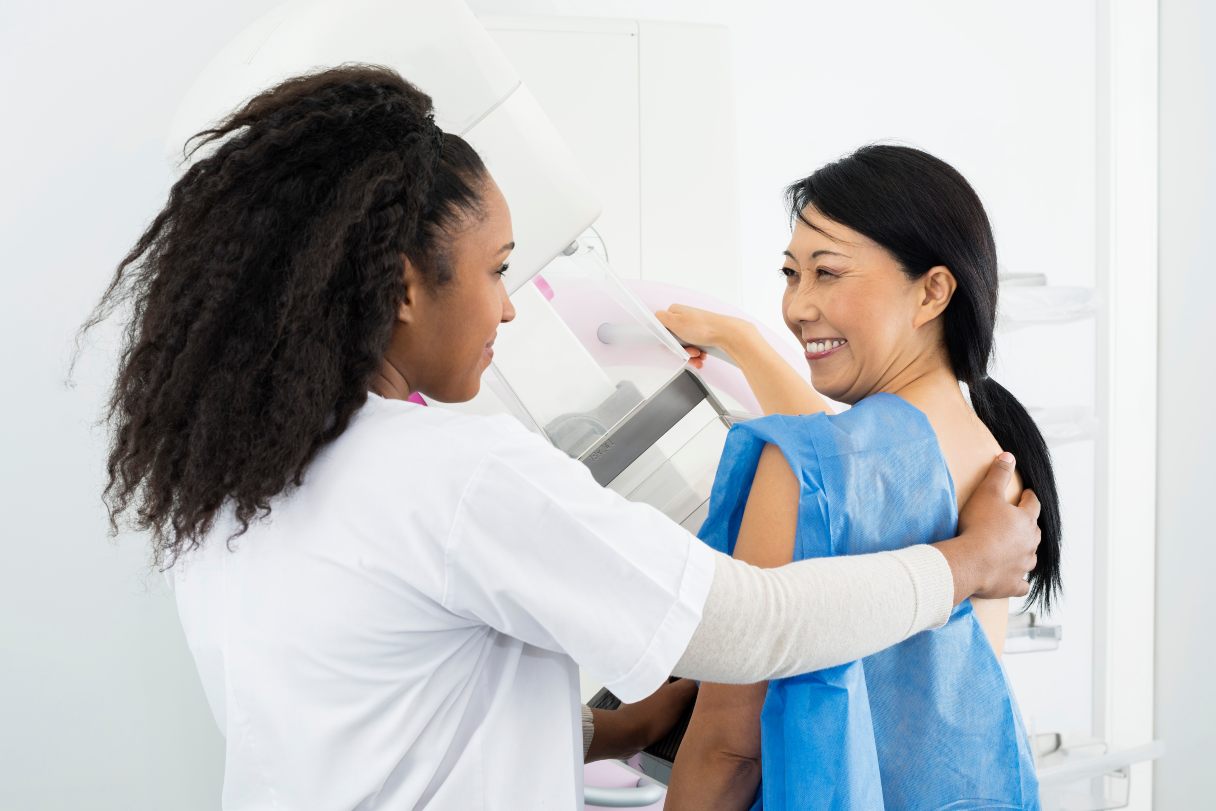
A bone density test is simple, quick and non-invasive, and is typically performed at a radiology or imaging center.2
How Much Does a Bone Density Test Cost?
The national average cost** of a bone density test (DEXA scan) is $235, but it can range from $182 to $411, depending on location and facility type.4
Calculate the cost of a bone density scan near you**
Explore costs in your area
Here is the average cost** of a bone density DEXA scan in all 50 states and the District of Columbia:4
| State/District | Average cost |
|---|---|
| Alabama | $202 |
| Alaska | $285 |
| Arizona | $242 |
| Arkansas | $207 |
| California | $294 |
| Colorado | $239 |
| Connecticut | $247 |
| Delaware | $235 |
| District of Columbia | $292 |
| Florida | $237 |
| Georgia | $208 |
| Hawaii | $351 |
| Idaho | $241 |
| Illinois | $226 |
| Indiana | $208 |
| Iowa | $204 |
| Kansas | $211 |
| Kentucky | $218 |
| Louisiana | $211 |
| Maine | $240 |
| Maryland | $262 |
| Massachusetts | $286 |
| Michigan | $217 |
| Minnesota | $218 |
| Mississippi | $213 |
| Missouri | $205 |
| Montana | $233 |
| Nebraska | $210 |
| Nevada | $236 |
| New Hampshire | $237 |
| New Jersey | $247 |
| New Mexico | $214 |
| New York | $252 |
| North Carolina | $217 |
| North Dakota | $216 |
| Ohio | $218 |
| Oklahoma | $202 |
| Oregon | $254 |
| Pennsylvania | $228 |
| Rhode Island | $252 |
| South Carolina | $219 |
| South Dakota | $211 |
| Tennessee | $217 |
| Texas | $217 |
| Utah | $237 |
| Vermont | $239 |
| Virginia | $230 |
| Washington | $260 |
| West Virginia | $213 |
| Wisconsin | $219 |
| Wyoming | $220 |
How Can You Pay for a Bone Density Scan?
There are several ways to pay for a bone density test, depending on what your provider offers and your budget. Some pay up front with cash, check or a credit/debit card. Others may choose a payment plan offered through the practice.
If you’d prefer to pay over time, the CareCredit credit card is another option many patients use for out-of-pocket health and wellness services. If approved, you can make monthly payments (with promotional financing options where available). Promotional financing options vary, so review the details and ask the office whether they accept CareCredit before deciding.
Does Insurance Cover a Bone Density Scan?
A bone density test is typically covered by most insurance policies and Medicare if it is deemed medically necessary by a physician.5
A bone density scan may be considered medically necessary if you meet certain eligibility requirements, such as if you:6
- Are a woman with estrogen deficiency
- Are being monitored by a doctor to see if osteoporosis treatment is working
- Are likely to develop osteoporosis
- Have a chronic bone condition
- Have primary hyperparathyroidism
- Have X-rays showing possible signs of osteoporosis, osteopenia or vertebral fractures
- Previously had a minor trauma fracture
- Take steroid-based medications
You may end up paying out of pocket for some or all of the cost of a bone density scan if your insurance deductible is not met, your policy only covers a portion of the cost or the provider is out-of-network.6
Types of Bone Density Tests
DEXA scans are the most common type of bone density test, and there are two types: the central DEXA scan and the peripheral DEXA (p-DEXA) scan. They both use dual-energy X-ray absorptiometry, which passes X-rays at two different energy levels through the bones to measure bone mineral density.3
- The central DEXA scan is used to measure the bone density of the lower lumbar spine and the hips, which are the most susceptible to fractures.
- The p-DEXA scan is used to measure bone density in the wrist, hand or foot.
Less frequently used tests that may help evaluate osteoporosis or related conditions include blood and urine tests, vertebral fracture assessments to identify fractures in the spine and imaging tests such as nuclear bone scans, CT scans and MRIs.7
Who Is a Good Candidate for a Bone Density Scan?
Your doctor may recommend a bone density scan based on your age, medical history and other factors that may make osteoporosis or bone fractures more likely.
The U.S. Preventive Services Task Force (USPSTF) recommends osteoporosis screening for women age 65 and older. While some experts recommend men get screened between the ages of 40 and 64, the USPSTF says there is currently not enough evidence to determine the benefits and harms of routine osteoporosis screening.8
Factors that may be considered when determining whether screening is appropriate include:8
- Being a postmenopausal woman younger than 65
- Excessive alcohol consumption
- Intestinal disorders9
- Low body weight
- Multiple sclerosis9
- Parental history of hip fracture
- Smoking
Talk to your doctor about your bone health, medical history and other factors that may help determine whether a bone density scan is appropriate for you.
How Does a Bone Density Test Work?
A bone density test is typically done in an outpatient setting such as an imaging center or radiology clinic. The scan is simple, non-invasive and should take only 10 to 30 minutes.2
Preparation
A bone density scan requires little preparation. Tell your doctor or technician if you are or may be pregnant because the test uses a small amount of ionizing radiation. You may also be instructed to avoid calcium supplements for 24 hours before the test and remove jewelry, eyeglasses or other metal objects that could interfere with the images.2
Procedure
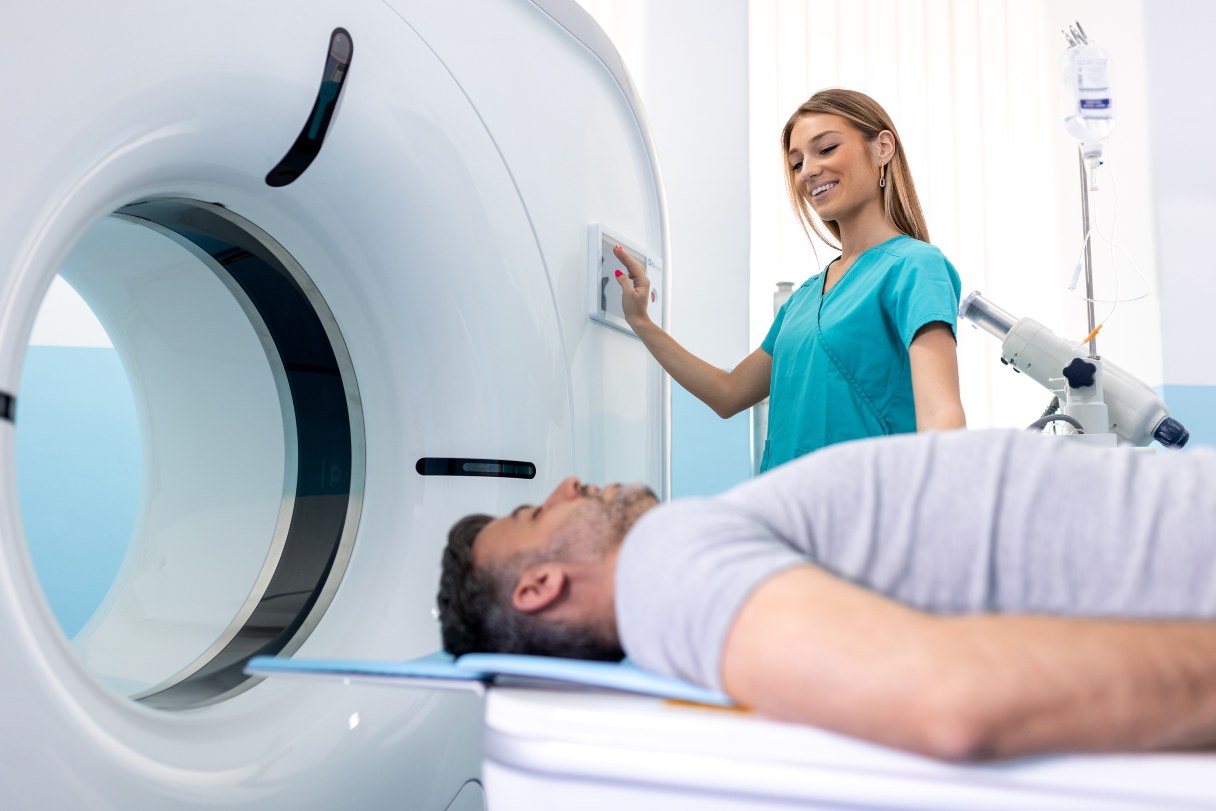
During the scan, you will lie on a table while a scanning arm passes over the area being examined. A technician will help position your body, and you will need to remain still while the images are taken. You may also be asked to briefly hold your breath.9
Recovery
You can typically resume your normal activities immediately after the scan. A healthcare professional will review the images and results, which you can then discuss with your doctor.2
What Do the Test Results Mean?
Your bone density scan results may be available within a few days, depending on the facility. Your doctor can review the results with you and explain what they mean for your bone health.3
Test results will show a T-score and a Z-score. In general, lower scores indicate lower bone density.3
T-score
A T-score compares your bone density with that of a healthy young adult of the same sex. T-score ranges are:3
- Normal range: -1.0 or higher
- Low bone density (osteopenia): Between -1.0 and -2.4
- Osteoporosis: -2.5 or lower
Z-score
A Z-score compares your bone density with that of people of your same age, sex, weight and ethnicity.3 A Z-score of -2.0 or less means that you may have osteoporosis caused by medication or a chronic condition.10
Depending on your results, your doctor may recommend steps such as:3
- Increasing physical activity
- Adding more calcium and vitamin D to your daily diet
- Taking prescribed medications to help increase bone density
- Getting another bone density scan at a set interval
Staying on Top of Your Bone Health
A bone density scan can provide important information about bone strength before osteoporosis causes noticeable symptoms or a fracture. The test is quick and painless and uses a very small amount of radiation to measure bone mineral density. Depending on your age, medical history and other factors, your doctor can help determine whether screening is appropriate and how often you may need follow-up testing.
Frequently Asked Questions About Bone Density Scans
Still have questions about bone density scans? Here are the answers to some commonly asked questions.

Managing Health and Wellness Costs With the CareCredit Credit Card
If you are looking for an option to help manage your health and wellness costs, consider financing with the CareCredit credit card. The CareCredit credit card can help you pay for the care you want and need and make payments easy to manage.* Use our Acceptance Locator to find a provider near you that accepts CareCredit. Continue your wellness journey by downloading the CareCredit Mobile App to manage your account, find a provider on the go and easily access the Well U blog for more great articles, podcasts and videos.
Your CareCredit credit card can be used in so many ways within the CareCredit network including vision, dentistry, cosmetic, pet care, hearing, health systems, dermatology, pharmacy purchases and spa treatments. How will you invest in your health and wellness next?
Author Bio
Amy Isler, M.S.N., R.N., has more than a decade of nursing expertise. She combines her nursing experience and journalism background to create engaging and educational healthcare content for leading brands and publications, including GoodRx, Verywell Health, Vision Center and more. Her mission in writing is to provide positive, accurate and informative articles for consumers.

Related Tags
Want to share this on social media?





 ARTICLE