 Search


Key Takeaways
- Adopting a shelter dog that matches your lifestyle can help create a successful, lasting relationship.
- Preparation, patience, training and ongoing veterinary care can help your new dog adjust and thrive.
- The CareCredit credit card can help you finance veterinary care for your adopted dog and pay over time with convenient monthly payments.*
There's something special about giving a dog a second chance and welcoming a loyal companion into your life at the same time. When you adopt a shelter dog, you're not only gaining a pet but also helping to provide a home for an animal in need. From finding the right match to preparing your home and navigating the adoption process, a little planning can help set you and your new dog up for success. This guide covers what to expect from a shelter dog adoption, including choosing a dog, preparing your home, bringing your new companion home, navigating the first days together and providing long-term care.
The Benefits of Shelter Dog Adoption
Choosing shelter dog adoption can be a rewarding way to add to your family while making a meaningful difference for an animal in need. In addition to giving a dog a second chance, adopting a rescue dog can offer practical benefits and support the work of local animal welfare organizations.
- Adoption-ready. Many shelter dogs are already vaccinated, spayed or neutered and microchipped.
- Community support. Your adoption fee helps support the local animal welfare organization and the animals in its care. Choosing shelter dog adoption helps these organizations provide food, medical care, shelter and adoption services to animals in the community.
- Lower cost. Adoption fees are typically lower than the purchase price of a dog from a breeder.
- Saving a life. Adopting a dog from a shelter gives an animal a home and creates space for the shelter to help another dog in need.
Common Myths About Shelter Dogs
Misconceptions about shelter dogs can make some people hesitant to consider adoption. In reality, dogs enter shelters for many reasons, and rescue dog adoption can be a good fit for families looking for dogs of different ages, breeds, personalities and energy levels.
Myth: Shelter dogs are “damaged.”
Fact: Dogs enter shelters for many reasons, including changes in their owner's circumstances, housing restrictions or simply being lost or surrendered. A shelter dog's history doesn't automatically determine their behavior or ability to become a loving companion.
Myth: You can't find puppies or purebred dogs in shelters.
Fact: Shelters and rescues may have puppies, adult dogs and pre-bred or mixed-breed dogs available for adoption. Availability varies by location and changes frequently.
Myth: Shelter dogs are always high-maintenance.
Fact: Shelter dogs have individual personalities, energy levels and care needs. When you adopt a shelter dog, shelter staff can often help you identify a dog whose temperament and lifestyle needs are compatible with your household.
Is a Shelter Dog Right for You?
Adopting a dog from a shelter can be rewarding, but it's important to consider whether your lifestyle, household and expectations are a good match for a dog's needs. Before starting the shelter dog adoption process, consider the time, resources and commitment involved in caring for a dog for the rest of their life.
Choose a dog who fits your lifestyle, prepare your home, allow time for adjustment and commit to training and veterinary care.
Dr. Angela Beal, D.V.M.


Assess your lifestyle before adopting
Before you adopt a shelter dog, consider how a dog would fit into your daily routine, household and budget. Thinking through these factors can help you identify a dog whose needs and personality are compatible with your lifestyle.
- Activity level. Think about whether your household is active, relaxed or somewhere in between, and look for a dog with compatible exercise needs.
- Budget. Plan for ongoing costs such as food, routine and unexpected veterinary care, training, grooming, supplies and pet care when you travel.
- Existing pets. If you already have pets, ask the shelter about a potential dog's history with other animals and consider arranging a meet and greet.
- Household size. Consider everyone who lives in your home, including children, and how they will participate in the dog's care.
- Time at home. Consider how many hours a dog would spend alone and whether you have time for walks, play, training and companionship.
Match the dog to your needs
When considering shelter dogs, look beyond appearance and consider whether a dog's characteristics and experience fit your household. Shelter staff can often provide valuable insights to help you find a dog who matches your lifestyle and expectations.
- Age. Puppies require more supervision and training, while adult and senior dogs may have more established personalities and routines.
- Energy level. Choose a dog whose exercise and activity needs align with your daily routine.
- Experience with kids and other animals. If you have children or other pets, ask about the dog's history and consider arranging a meet-and-greet.
- Size. Consider the dog's size in relation to your living space, ability to handle the dog and lifestyle.
- Temperament. Ask about the dog's personality, including how they respond to people, handling, new environments and other dogs.
Tips to Help You Find the Right Match
Finding the right dog is about more than an instant connection. It's important to find a companion whose needs, personality and energy level fit your household. If you've decided to adopt a shelter dog, you may want to use resources, such as an “adopting a dog from a shelter checklist,” to consider all the important factors.
- Ask about behavior history. Ask the shelter staff about the dog's previous home, interactions with people and animals and any known behavioral concerns.
- Ask about personality insights. Staff and volunteers who have spent time with the dog may be able to share useful observations about their temperament, preferences and behavior.
- Interact in a calm setting. If possible, spend time with the dog in a quiet area where you can get a better sense of their personality and behavior.
- Observe body language. Look for signs of comfort, fear and stress, and consider how the dog responds to people and their surroundings.
Questions to ask shelter staff
Shelter staff can provide valuable information about a dog's behavior, history and health. Questions to ask include:
- Has the dog ever shown signs of separation anxiety or aggression?
- Has the dog lived with children or other pets?
- Is the dog house-trained?
- What is the dog's energy level and exercise requirements?
- What medical care has the dog received, and do they have any known health issues?
Red and green flags
When you adopt a shelter dog, consider the dog's current behavior and the support they may need to adjust to your home. Keep in mind that the behavior a dog displays in the shelter may not reflect their true personality, and can change with time, training and a stable home environment.
- Red flags. Severe fear, aggression or chronic illness without a clear support plan may require additional consideration and resources.
- Green flags. Relaxed body language, interest in people, manageable energy and responsiveness can indicate a potentially good fit.
How the Adoption Process Works
The process to adopt a rescue dog varies by organization, but most shelters follow a few basic steps to help match dogs with suitable homes. Knowing what to expect can make knowing how to adopt a dog from a shelter more straightforward and help you prepare to bring your new companion home.
Application and screening
Once you've found a potential match, the shelter or rescue may ask you to complete an application and screening process. Requirements vary, but the goal is to ensure the dog and household are a good fit.
- Adoption application. You'll need to provide basic information about your household, lifestyle and experience with pets.
- Fees and paperwork. The shelter may require an application fee and paperwork showing you have an established relationship with a veterinarian. If you rent an apartment or home, you may need to submit paperwork proving that pet ownership is permitted.
- Home checks or interviews. Some organizations may conduct a home visit or interview to discuss the dog's needs and your living situation.
- Reference checks. The shelter or rescue may ask for personal or veterinary references.
Adoption fees and what they cover
Adoption fees help shelters and rescues offset the cost of caring for dogs before they find homes. Included care varies by organization, but common services include:
- Core vaccinations appropriate for the dog's age and health
- A microchip to help reunite lost dogs with their owners
- Spay or neuter procedure
- Thorough veterinary exam
Costs differ based on the organization, location, dog's age, medical needs and services provided.
Final steps
Once your application is approved, a few final steps typically stand between you and bringing your new dog home. Requirements vary by shelter or rescue, so confirm what you need before pickup.
- Contract. You'll need to review and sign the adoption agreement.
- Safe transport. Purchase a leash and collar or harness and follow the shelter's transportation requirements.
- Take-home documents. The shelter should provide a copy of the adoption paperwork, medical and vaccination records, microchip information and any other relevant documents.
Tips to Prepare Your Home for a Shelter Dog
Preparing your home before you adopt a shelter dog can make the transition safer and less stressful for everyone. As part of your adopting a dog from a shelter checklist, set up essential supplies, establish a comfortable space and remove potential hazards before your new dog arrives.
Use an essential supplies checklist
Have these basics ready before bringing your new dog home. Your shelter or veterinarian might recommend additional supplies based on your dog's specific needs.
- Collar, leash and ID tag
- Crate or bed
- Dog food
- Food and water bowls
- Grooming supplies
- Pet-safe cleaning products
- Toys
- Waste bags
Create a safe space
A new environment can be overwhelming, so give your dog a comfortable place to decompress and adjust at their own pace. Recommendations include:
- Limit access to the entire house at first, introducing the remaining area gradually as your dog becomes more comfortable.
- Secure your valuables and remove hazards such as medications, cleaning products, cords and anything else your dog could chew or ingest.
- Set up a comfortable space in a quiet area where your dog can rest undisturbed.
Plan for the first 48 hours
The first two days should focus on helping your dog feel safe and comfortable. Keep things calm and predictable while allowing your dog time to settle in.
- Introduce family and pets slowly, allowing gradual, supervised interactions.
- Keep in mind that house training and other routines may take time as your dog adjusts to their new home.
- Limit visitors to give your dog time to adjust before meeting new people.
- Maintain consistent times for meals, potty breaks, walks and rest time.
Common Challenges When You Adopt a Shelter Dog
The transition to a new home can take time, and some shelter dog adoption challenges may not appear until after you leave the shelter. Patience, consistency and positive reinforcement can help your dog adjust as you build trust and establish new routines.
Adopting a shelter dog can be incredibly rewarding, but preparation and patience can help set you and your new companion up for success.
Dr. Angela Beal, D.V.M.
Separation anxiety
Some adopted dogs may struggle when left alone, particularly as they adjust to a new home and routine. Watch for signs of distress and introduce alone time gradually.
- Crate or safe-space support. Provide a comfortable, secure area where your dog can relax while you're away.
- Gradual departure training. Start with short periods apart and gradually increase the time your dog spends alone.
- Monitor for signs of separation anxiety. Excessive barking, pacing, destructive behavior, house-soiling or attempts to escape when left alone can mean that your dog has separation anxiety.
House training issues
Even previously house-trained dogs may have accidents while adjusting to a new home. Consistency and supervision can help re-establish good habits.
- Take your dog outside regularly, especially after meals, naps and play.
- Keep your dog within sight when possible and use a properly sized crate as a safe, temporary space.
- See your veterinarian if your dog has continued house-soiling issues to rule out an underlying medical cause.
Fear or sensitivity
A new home can expose a shelter dog to unfamiliar sights, sounds and experiences that may cause fear or stress. Give your dog time to adjust and use gradual exposure paired with positive reinforcement.
- Loud sounds. Reduce exposure to overwhelming noises and provide a quiet place to retreat.
- New environments. Introduce unfamiliar places gradually and let your dog explore at their own pace.
- Positive reinforcement. Reward calm behavior during gradual exposure to help build confidence.
- Visitors. Keep introductions calm and allow your dog to approach new people when ready.
Long-Term Care After Rescue Dog Adoption
When you adopt a shelter dog, you're making a long-term commitment to the dog's health, safety and well-being. Once your dog settles in, establish consistent routines and provide ongoing veterinary care, training, exercise and enrichment to support a happy life together.
Veterinary care
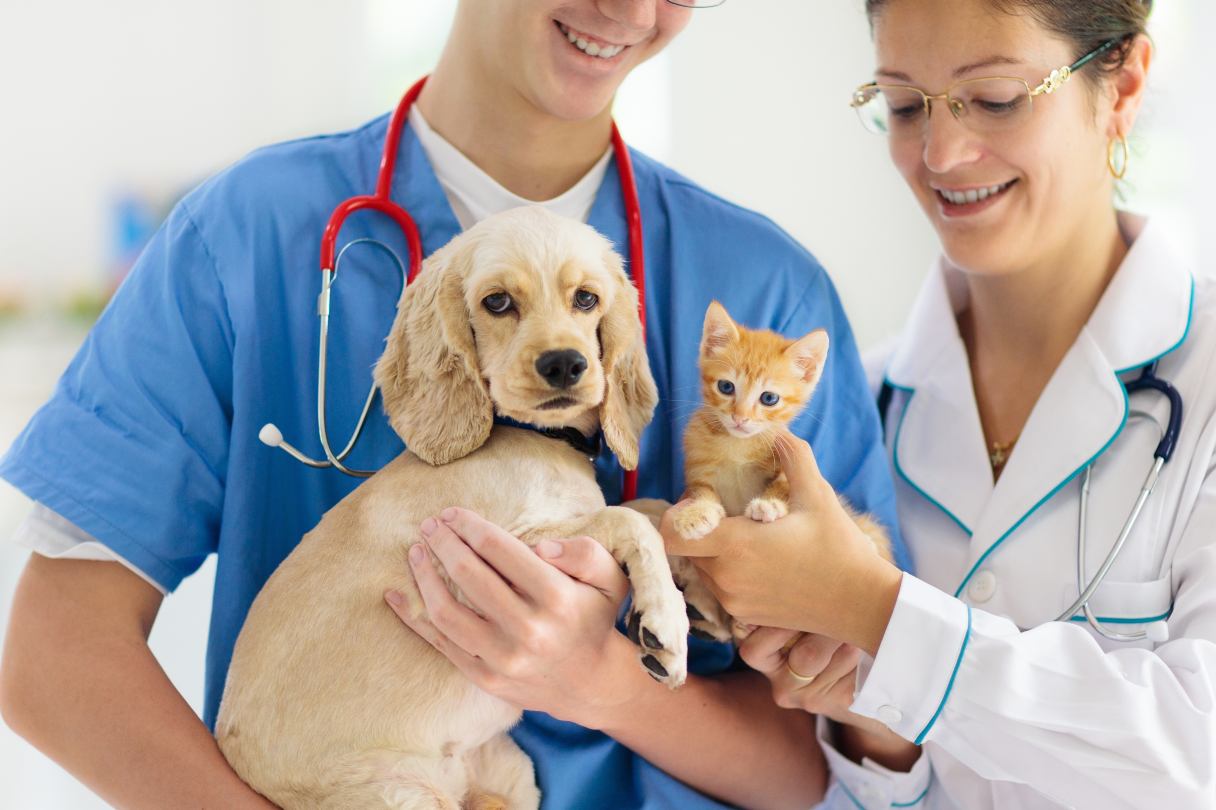
Visiting the vet after shelter dog adoption establishes a baseline for your dog's health and identifies ongoing care needs. Your veterinarian can create a preventive care plan based on your dog's age, health, lifestyle and medical history.
- An initial wellness exam helps your veterinarian assess your dog's health.
- Discuss appropriate prevention for fleas, ticks, heartworm disease and intestinal parasites.
- Keep your dog's vaccinations current based on your veterinarian's recommendations.
- Schedule routine wellness visits to monitor your dog's health throughout their life.
Nutrition, exercise and enrichment
Good nutrition, regular activity and mental stimulation support your dog's physical and emotional well-being after shelter dog adoption. Tailor each to your dog's age, size, health and energy level.
- Nutrition. Feed a complete, balanced diet appropriate for your dog's age and size.
- Exercise. Provide daily activity suited to your dog's energy level and abilities.
- Enrichment. Offer toys, games, training and other opportunities for mental stimulation.
Building a lifelong relationship
A strong bond takes time, especially as your new dog adjusts to life after shelter dog adoption. Consistent care, training and positive interactions can help build trust and create a lasting relationship.
- Be patient and give your dog time to adjust to new routines, people and surroundings.
- Continue training by using consistent, positive reinforcement to build skills and confidence.
- Make time for play, mental stimulation and companionship.
- Focus on your dog's progress and celebrate small improvements rather than expecting perfection.
Ready to Adopt a Shelter Dog?
Adopting a shelter dog can be incredibly rewarding, but preparation and patience can help set you and your new companion up for success. Choose a dog who fits your lifestyle, prepare your home, allow time for adjustment and commit to ongoing training and veterinary care. When you're ready to take the leap, visit a local shelter or rescue and give a deserving dog the chance to become part of your family.
Frequently Asked Questions About Adopting a Shelter Dog
Want more information about adopting a shelter dog? Here are answers to some frequently asked questions.

CareCredit Credit Card Financing for Dogs
The CareCredit credit card provides a convenient way to pay for your dog's vaccinations and other health and wellness expenses, including exams, medications and products at providers in the CareCredit network.* Continue your wellness journey by downloading the CareCredit Mobile App. You can find a provider on the go, manage your CareCredit account and easily access the Well U blog for more great articles, podcasts and videos. Use our Acceptance Locator to find a veterinarian that accepts CareCredit to help keep your pet healthy and happy for a lifetime of love.
In addition to pet care, you can also use your CareCredit credit card for dentistry, cosmetic, vision, hearing, health systems, dermatology, pharmacy purchases, spa treatments and so much more within the CareCredit network. How will you invest in your health and wellness next?
Author Bio
Angela Beal, D.V.M., has more than 20 years of experience as a veterinarian. Leveraging her background in private practice and academia, she uses her writing to provide veterinarians with strategies for making practice life more efficient and less stressful.

Related Tags
Want to share this on social media?


 ARTICLE